Ai Jafar, Shahverdi Ahmad Reza, Barough Somayeh Ebrahimi, Kouchesfehani Homa Mohseni, Heidari Saeed, Roozafzoon Reza, Verdi Javad, Khoshzaban Ahad
Department of Tissue Engineering, School of Advanced Technologies in Medicine, Tehran University of Medical Sciences, Tehran, Iran ; Research Center for Science and Technology in Medicine, Tehran University of Medical Sciences, Tehran, Iran ; Brain and Spinal Injury Research Center, Imam Hospital, Tehran University of Medical Sciences, Tehran, Iran ; Stem Cell and Transgenic Technology Research Center, Shiraz University of Medical Sciences, Shiraz, Iran.
J Reprod Infertil. 2012 Jul;13(3):151-7.
Due to increasing clinical demand for adipose tissue, a suitable cell for reconstructive adipose tissue constructs is needed. In this study, we investigated the ability of Human Endometrial-derived stem cells (EnSCs) as a new source of mesenchymal stem cells to differentiate into adipocytes. EnSCs are the abundant and easy available source with no immunological response, for cell replacement therapy.
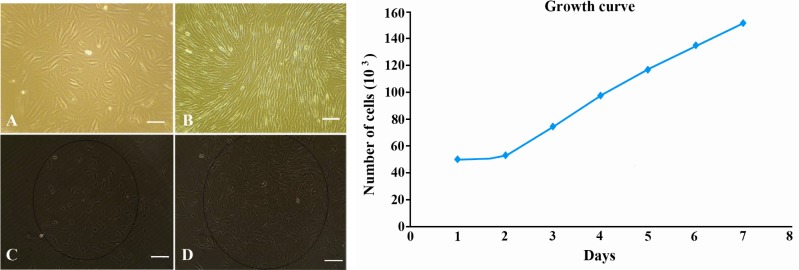
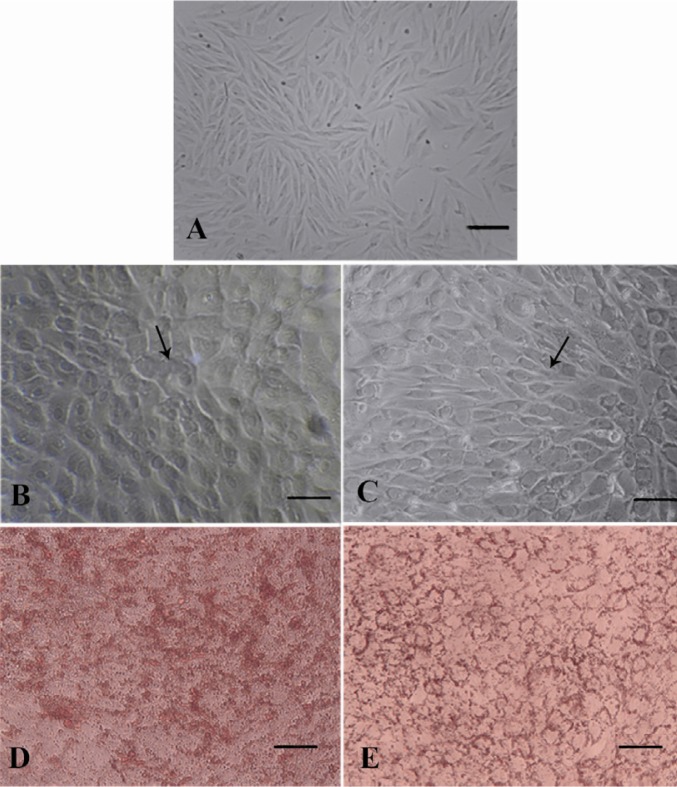
Single-cell suspensions of EnSCs were obtained from endometrial tissues from 10 women experiencing normal menstrual cycles, and were cultured at clonal density (10 cells/cm (2) ) or limiting dilution. Endometrial mesenchymal stem cell markers were examined flow cytometry. These cells were treated with adipogenic-inducing medium for 28 days. The adipogenic differentiation of the EnSC was assessed by cellular morphology and further confirmed by Oil Red O staining and RT-PCR. The BM-MSC differentiated into adipocytes in the presence of adipogenic stimuli for 3 weeks.
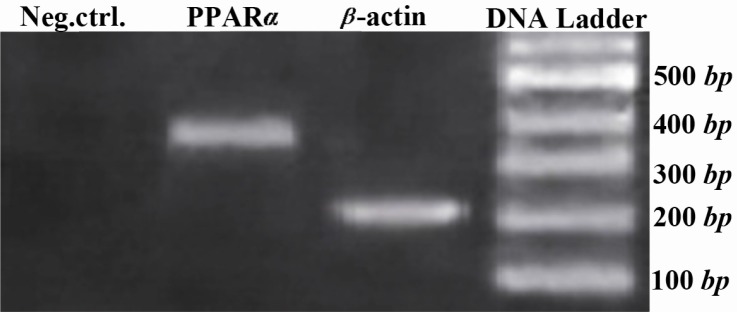
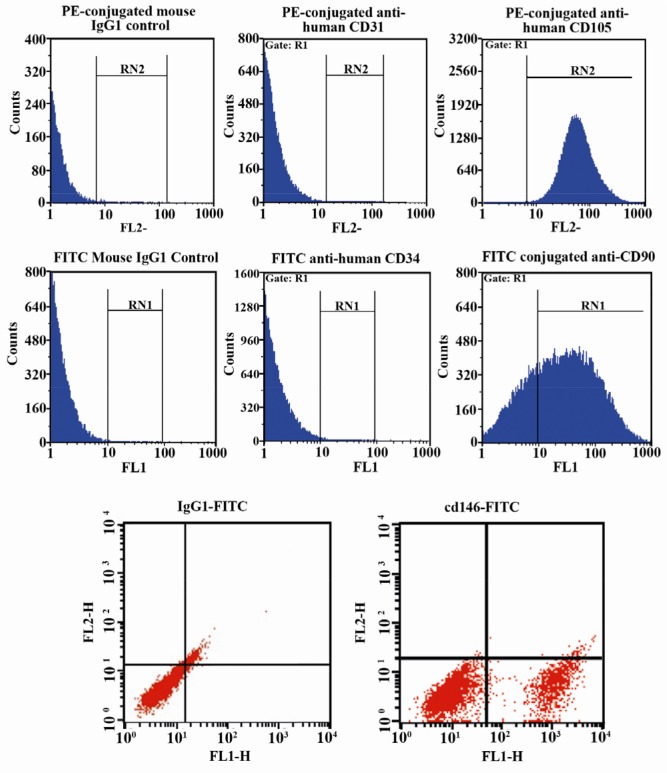
The flow cytometric analysis showed that the cells were positive for CD90, CD105, CD146 and were negative for CD31, CD34.We showed that the key adipocytes marker PPARa was expressed in mRNA level after 28 days post treatment (PT).
According to our finding, it can be concluded that EnSCs represent a useful in vitro model for human adipogenesis, and provide opportunities to study the stages prior to commitment to the adipocyte lineage.
由于临床对脂肪组织的需求不断增加,需要一种适合用于构建脂肪组织的细胞。在本研究中,我们调查了人子宫内膜来源的干细胞(EnSCs)作为间充质干细胞新来源分化为脂肪细胞的能力。EnSCs是丰富且易于获取的来源,在细胞替代治疗中无免疫反应。
从10名月经周期正常的女性的子宫内膜组织中获取EnSCs的单细胞悬液,并以克隆密度(10个细胞/cm²)或有限稀释法进行培养。通过流式细胞术检测子宫内膜间充质干细胞标志物。这些细胞用脂肪生成诱导培养基处理28天。通过细胞形态学评估EnSC的脂肪生成分化,并通过油红O染色和逆转录-聚合酶链反应(RT-PCR)进一步证实。骨髓间充质干细胞(BM-MSC)在脂肪生成刺激存在下分化为脂肪细胞3周。
流式细胞术分析显示细胞CD90、CD105、CD146呈阳性,CD31、CD34呈阴性。我们发现关键的脂肪细胞标志物PPARα在处理后28天(PT)的mRNA水平表达。
根据我们的发现,可以得出结论,EnSCs代表了一种用于人类脂肪生成的有用体外模型,并为研究脂肪细胞谱系定向之前的阶段提供了机会。