Thoemmes Felix, Mackinnon David P, Reiser Mark R
Department of Educational Psychology, Texas A&M University.
Struct Equ Modeling. 2010;17(3):510-534. doi: 10.1080/10705511.2010.489379.
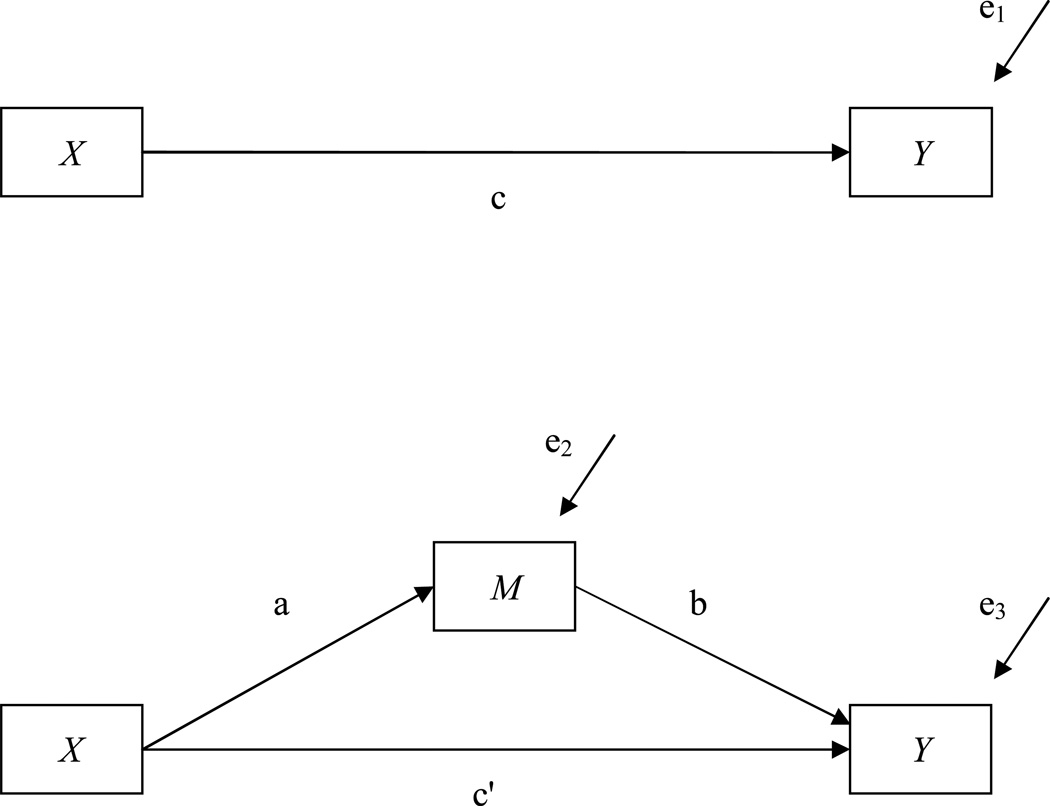
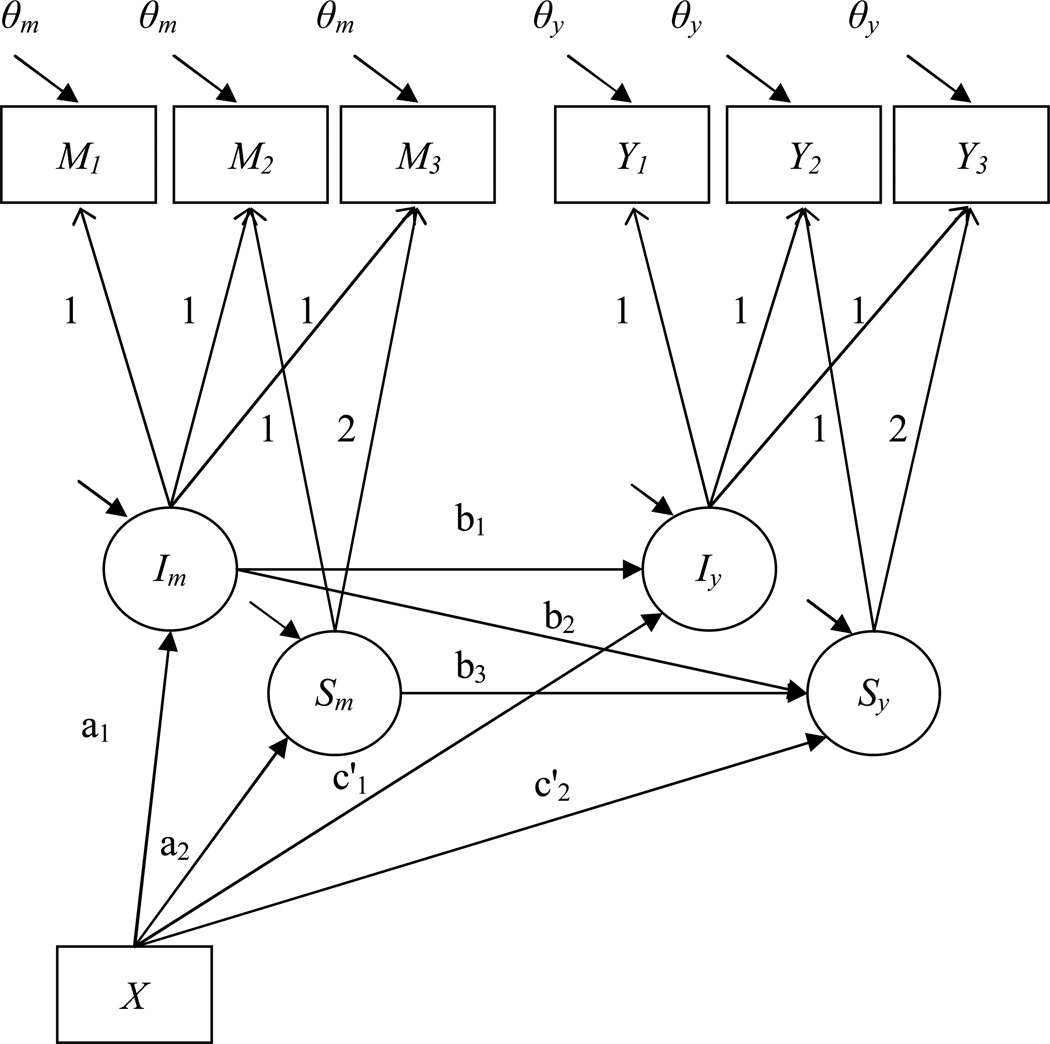
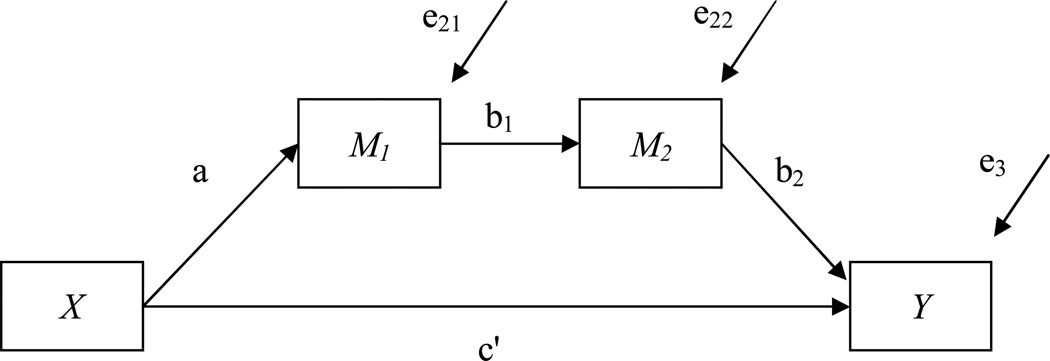
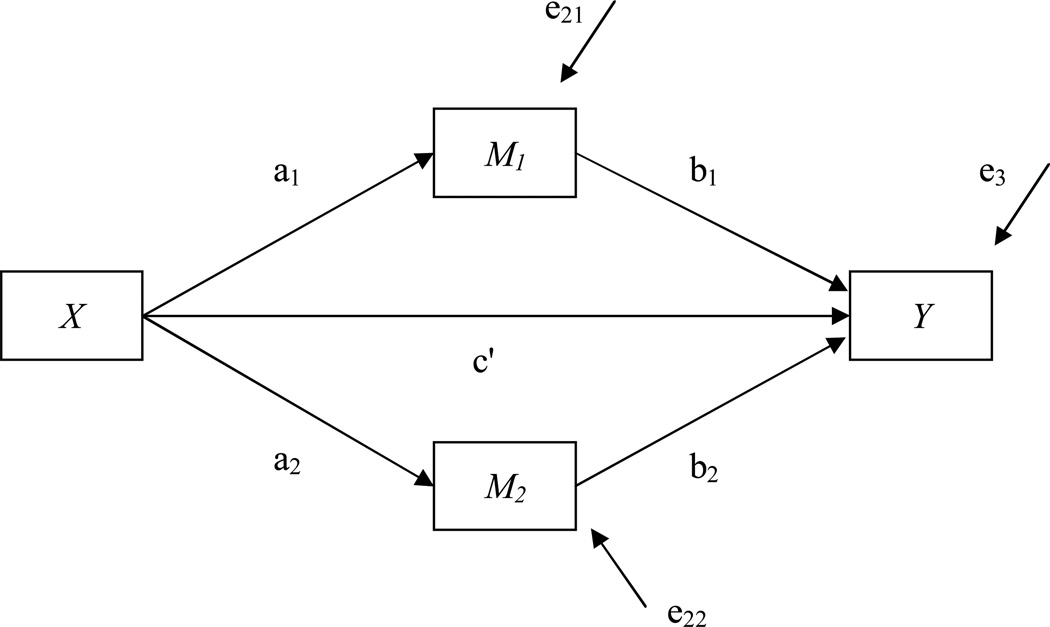
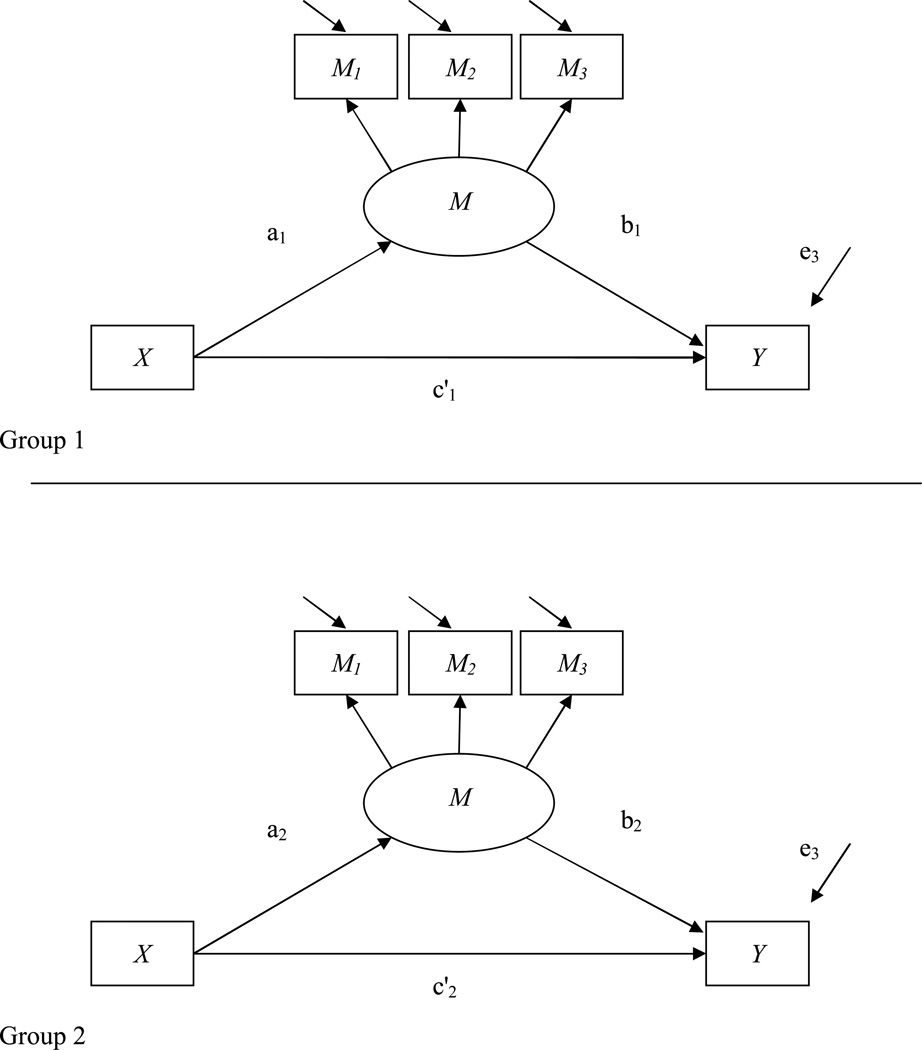
Applied researchers often include mediation effects in applications of advanced methods such as latent variable models and linear growth curve models. Guidance on how to estimate statistical power to detect mediation for these models has not yet been addressed in the literature. We describe a general framework for power analyses for complex mediational models. The approach is based on the well known technique of generating a large number of samples in a Monte Carlo study, and estimating power as the percentage of cases in which an estimate of interest is significantly different from zero. Examples of power calculation for commonly used mediational models are provided. Power analyses for the single mediator, multiple mediators, three-path mediation, mediation with latent variables, moderated mediation, and mediation in longitudinal designs are described. Annotated sample syntax for Mplus is appended and tabled values of required sample sizes are shown for some models.
应用研究人员在诸如潜变量模型和线性增长曲线模型等先进方法的应用中常常纳入中介效应。然而,文献中尚未涉及如何估计这些模型检测中介效应的统计功效的相关指导。我们描述了一个用于复杂中介模型功效分析的通用框架。该方法基于蒙特卡罗研究中生成大量样本这一广为人知的技术,并将功效估计为感兴趣的估计值显著不同于零的案例所占的百分比。文中提供了常用中介模型的功效计算示例。描述了单中介、多中介、三路径中介、潜变量中介、调节中介以及纵向设计中介的功效分析。附录了Mplus的带注释示例语法,并给出了部分模型所需样本量的表格值。