Samaan Zainab, Schulze Karleen M, Middleton Catherine, Irvine Jane, Joseph Phillip, Mente Andrew, Shah Baiju R, Pare Guillaume, Desai Dipika, Anand Sonia S
Department of Psychiatry and Behavioral Neurosciences, McMaster University, Hamilton, ON, Canada.
JMIR Res Protoc. 2013 Aug 20;2(2):e33. doi: 10.2196/resprot.2621.
People of South Asian origin suffer a high burden of premature myocardial infarction (MI). South Asians form a growing proportion of the Canadian population and preventive strategies to mitigate the risk of MI in this group are needed. Prior studies have shown that multimedia interventions are effective and feasible in inducing health behavior changes among the obese, smokers, and among those who are sedentary.
Among at-risk South Asians living in Canada, our objectives are to determine: (1) the feasibility of a culturally tailored multimedia intervention to induce positive behavioral changes associated with reduced MI risk factors, and (2) the effectiveness and acceptability of information communicated by individualized MI and genetic risk score (GRS) reports.
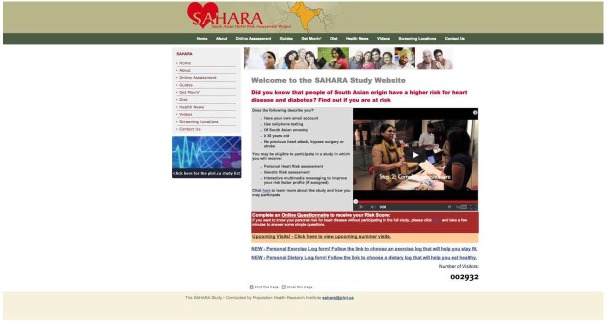
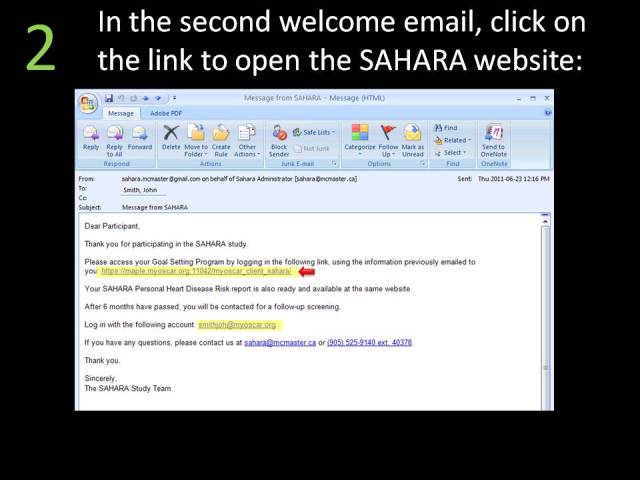
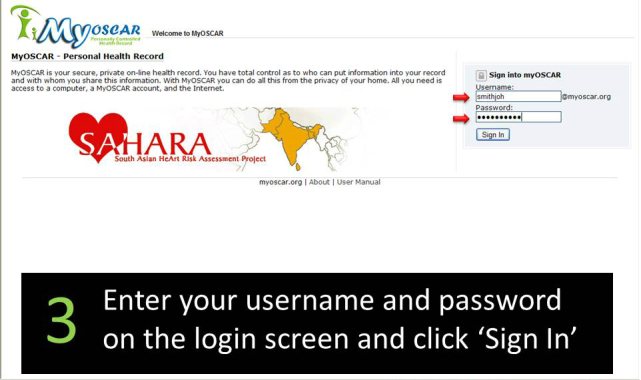
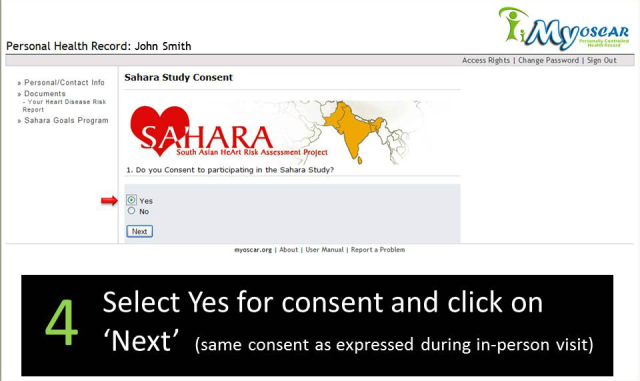
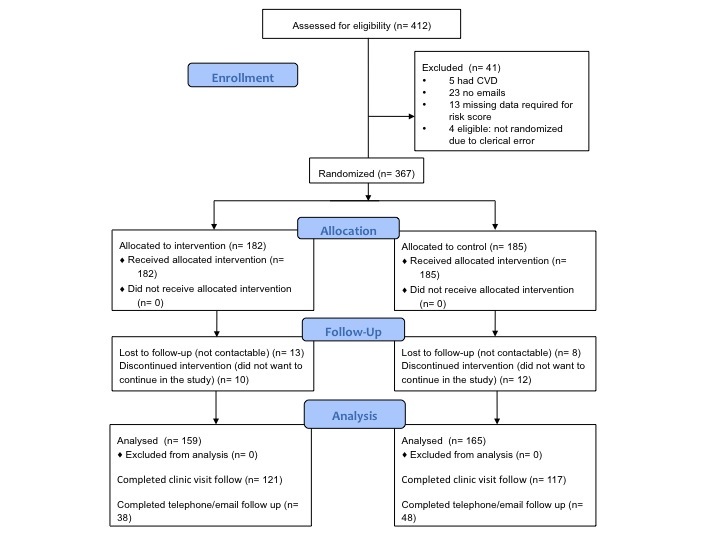
The South Asian HeArt Risk Assessment (SAHARA) pilot study enrolled 367 individuals of South Asian origin recruited from places of worship and community centers in Ontario, Canada. MI risk factors including the 9p21 genetic variant status were provided to all participants after the baseline visit. Participants were randomly allocated to receive a multimedia intervention or control. The intervention group selected health goals and received personalized health messages to promote adherence to their selected goals. After 6 months, all participants had their MI risk factors repeated. The methods and results of this study are reported based on the CONSORT-EHEALTH guidelines.
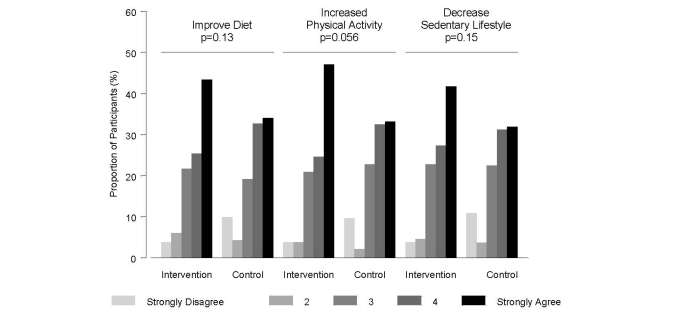
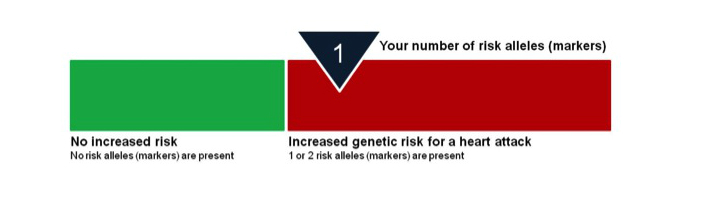
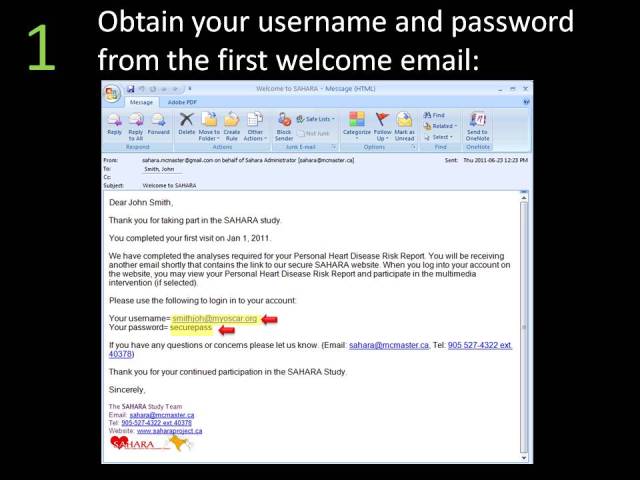
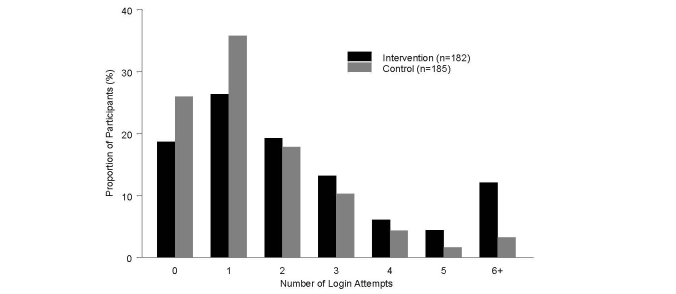
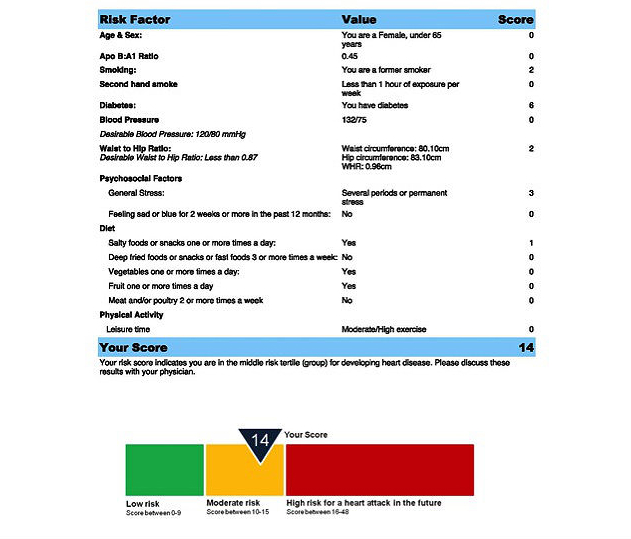
The mean age of participants was 53.8 years (SD 11.4), 52.0% (191/367) were women, and 97.5% (358/367) were immigrants to Canada. The mean INTERHEART risk score was 13.0 (SD 5.8) and 73.3% (269/367) had one or two copies of the risk allele for the 9p21 genetic variant. Both the intervention and control groups made some progress in health behavior changes related to diet and physical activity over 6 months. Participants reported that their risk score reports motivated behavioral changes, although half of the participants could not recall their risk scores at the end of study evaluation. Some components of the multimedia intervention were not widely used such as logging onto the website to set new health goals, and participants requested having more personal interactions with the study team.
Some, but not all, components of the multimedia intervention are feasible and have the potential to induce positive health behavior changes. MI and GRS reports are desired by participants although their impact on inducing sustained health behavior change requires further evaluation. Information generated from this pilot study has directly informed the design of another randomized trial designed to reduce MI risk among South Asians.
ClinicalTrials.gov NCT01577719; http://clinicaltrials.gov/ct2/show/NCT01577719 (Archived by WebCite at http://www.webcitation.org/6J11uYXgJ).
南亚裔人群过早发生心肌梗死(MI)的负担较重。南亚裔在加拿大人口中所占比例日益增加,因此需要采取预防策略来降低该群体发生MI的风险。先前的研究表明,多媒体干预在促使肥胖者、吸烟者以及久坐不动者改变健康行为方面是有效且可行的。
在生活于加拿大的高危南亚裔人群中,我们的目标是确定:(1)一种根据文化定制的多媒体干预措施,以促使与降低MI风险因素相关的积极行为改变的可行性;(2)个性化MI和遗传风险评分(GRS)报告所传达信息的有效性和可接受性。
南亚心脏风险评估(SAHARA)试点研究招募了367名南亚裔个体,他们来自加拿大安大略省的宗教场所和社区中心。在基线访视后,向所有参与者提供了包括9p21基因变异状态在内的MI风险因素。参与者被随机分配接受多媒体干预或对照。干预组选择健康目标并收到个性化健康信息,以促进其坚持所选目标。6个月后,所有参与者再次接受MI风险因素评估。本研究的方法和结果依据CONSORT - EHEALTH指南进行报告。
参与者的平均年龄为53.8岁(标准差11.4),52.0%(191/367)为女性,97.5%(358/367)是加拿大的移民。平均INTERHEART风险评分为13.0(标准差5.8),73.3%(269/367)拥有9p21基因变异的一个或两个风险等位基因拷贝。在6个月的时间里,干预组和对照组在与饮食和身体活动相关的健康行为改变方面均取得了一些进展。参与者报告称,他们的风险评分报告促使了行为改变,尽管在研究评估结束时,一半的参与者记不起自己的风险评分。多媒体干预的一些组成部分未得到广泛使用,例如登录网站设定新的健康目标,并且参与者要求与研究团队有更多的个人互动。
多媒体干预的一些(但并非全部)组成部分是可行的,并且有可能促使积极的健康行为改变。参与者希望获得MI和GRS报告,尽管其对促使持续健康行为改变的影响需要进一步评估。该试点研究产生的信息直接为另一项旨在降低南亚裔MI风险的随机试验的设计提供了参考。
ClinicalTrials.gov NCT01577719;http://clinicaltrials.gov/ct2/show/NCT01577719(由WebCite存档于http://www.webcitation.org/6J11uYXgJ)