Virology Division, United States Army Medical Research Institute of Infectious Diseases, Fort Detrick, Frederick, Maryland, United States of America.
PLoS Negl Trop Dis. 2013 Aug 15;7(8):e2349. doi: 10.1371/journal.pntd.0002349. eCollection 2013.
Arthropod-borne viruses are important emerging pathogens world-wide. Viruses transmitted by mosquitoes, such as dengue, yellow fever, and Japanese encephalitis viruses, infect hundreds of millions of people and animals each year. Global surveillance of these viruses in mosquito vectors using molecular based assays is critical for prevention and control of the associated diseases. Here, we report an oligonucleotide DNA microarray design, termed ArboChip5.1, for multi-gene detection and identification of mosquito-borne RNA viruses from the genera Flavivirus (family Flaviviridae), Alphavirus (Togaviridae), Orthobunyavirus (Bunyaviridae), and Phlebovirus (Bunyaviridae).
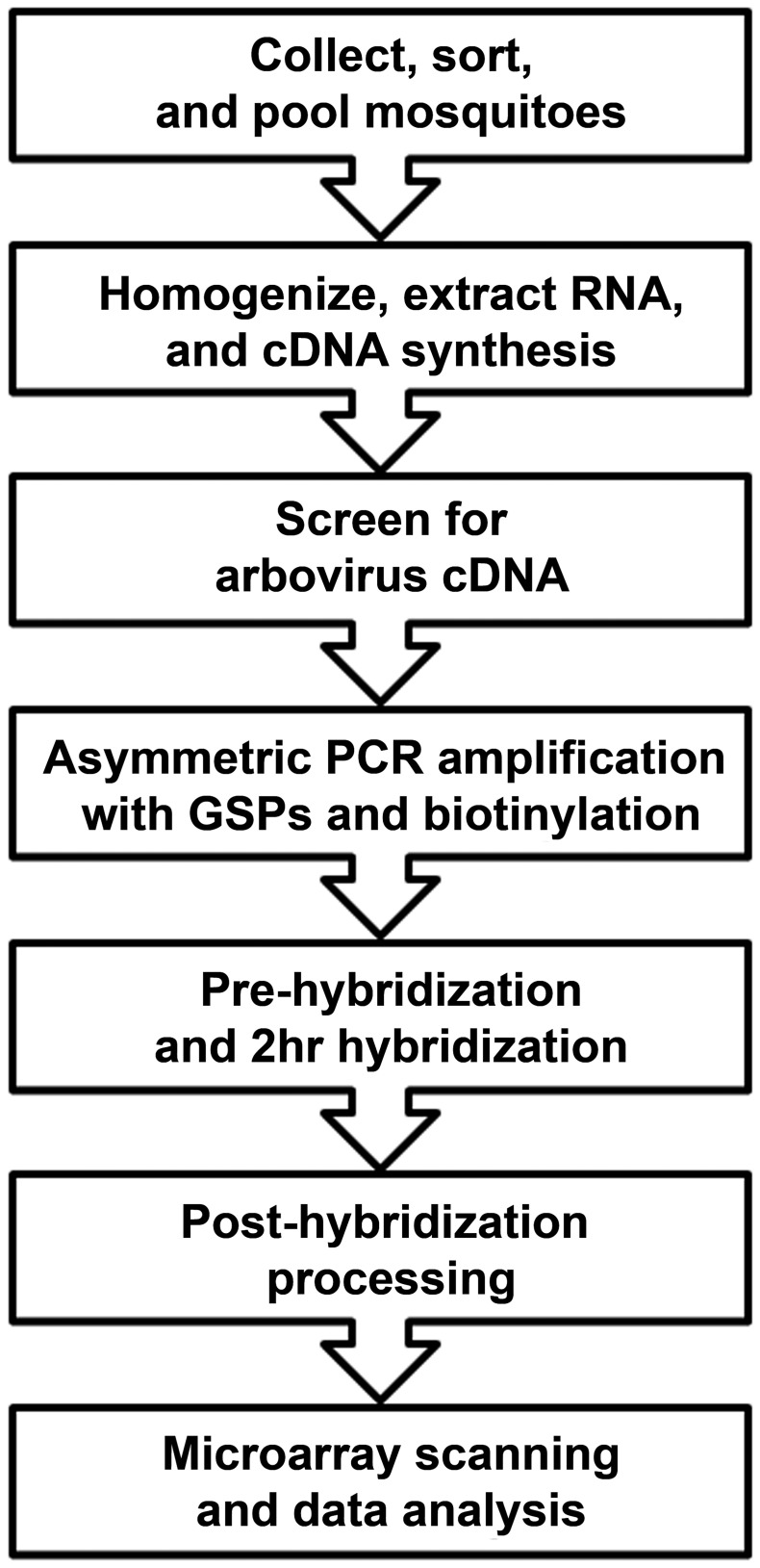
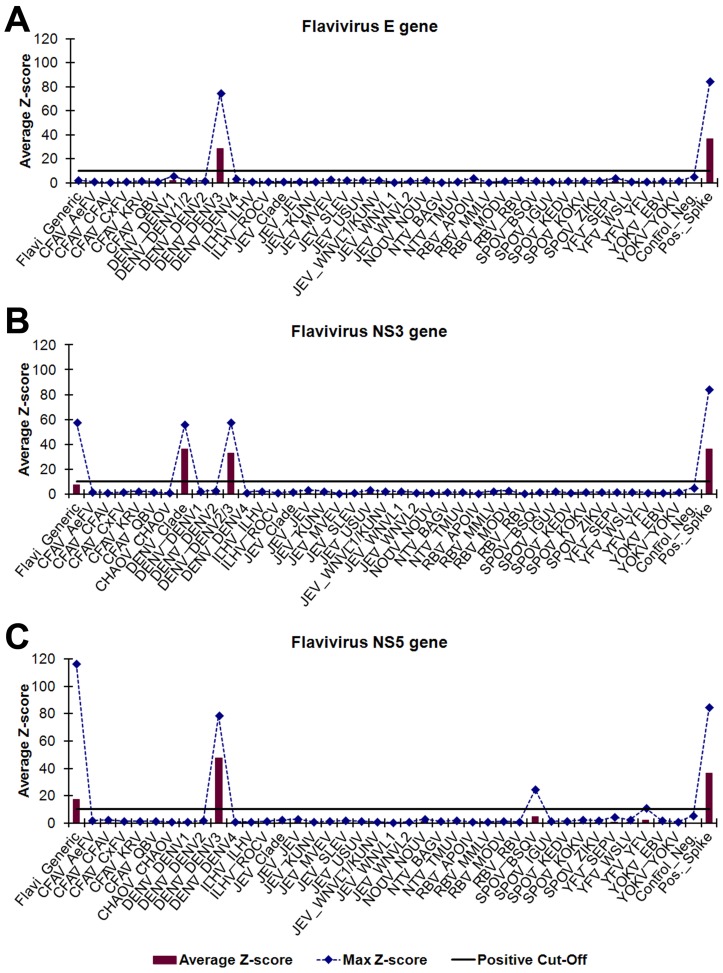
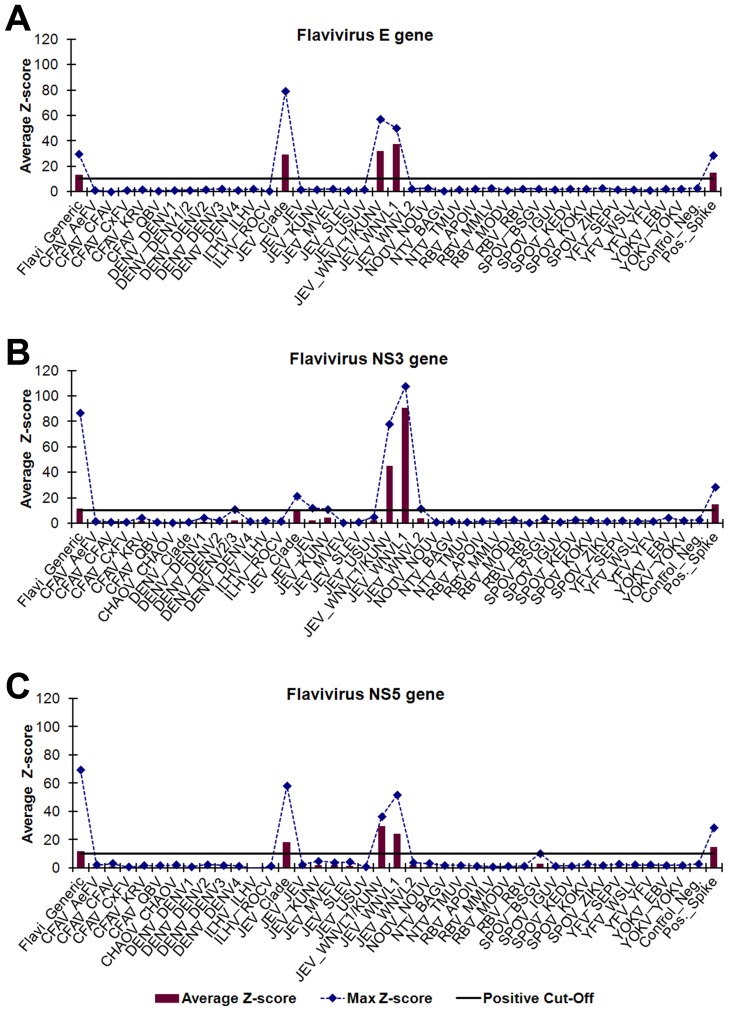
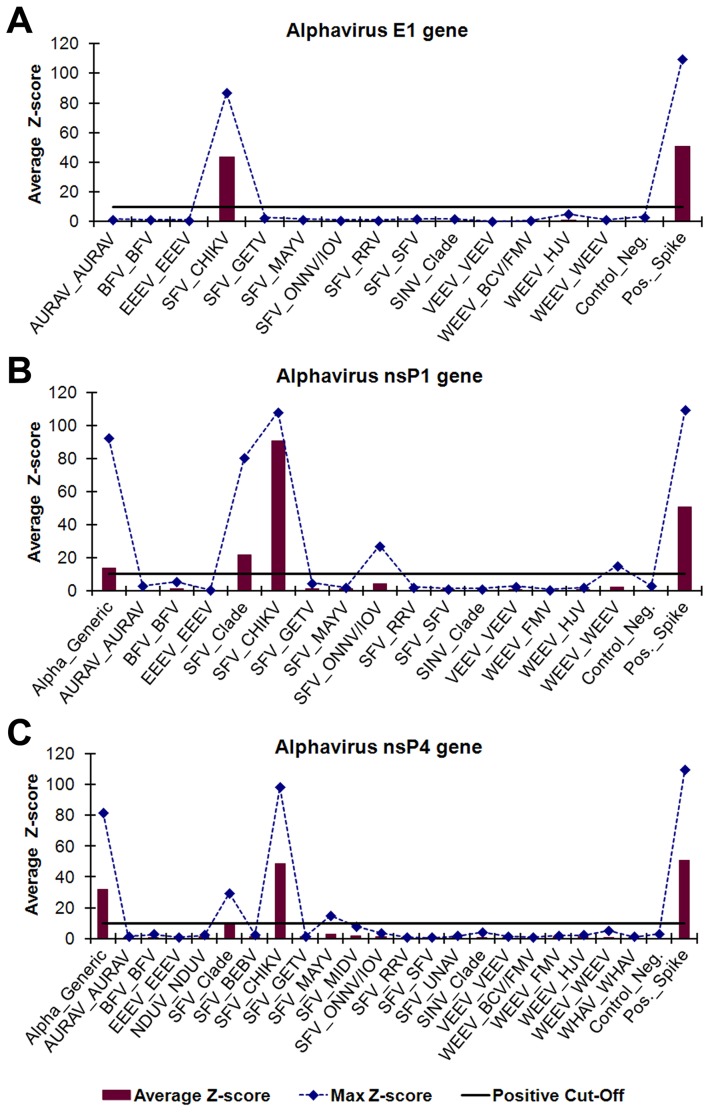
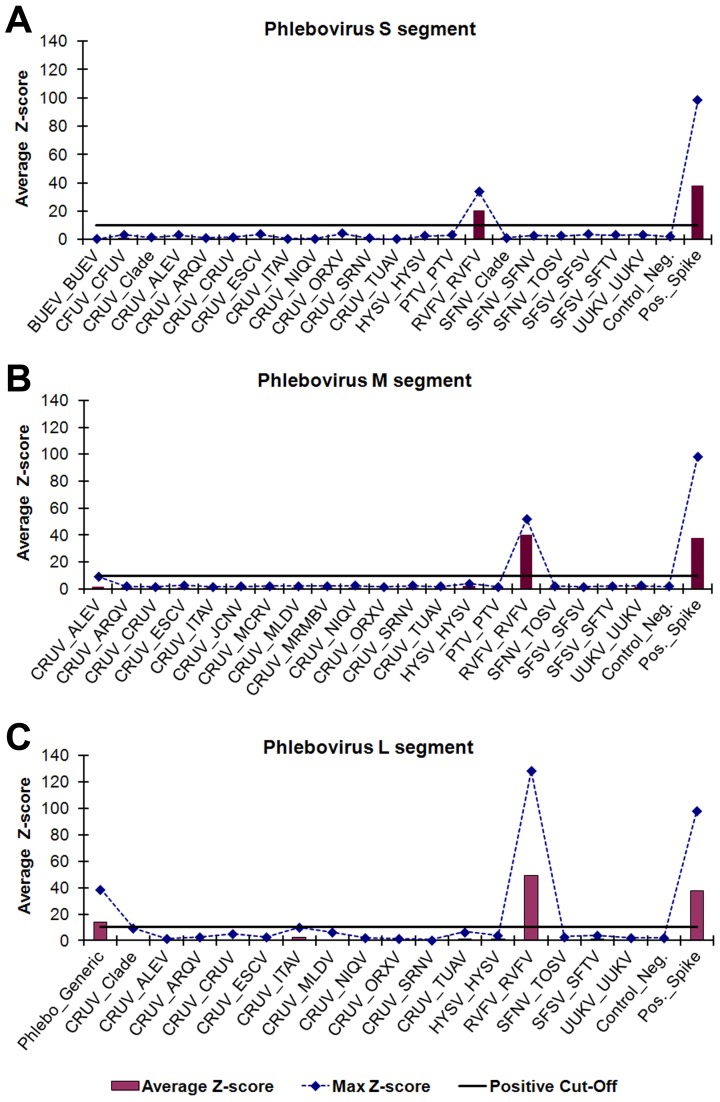
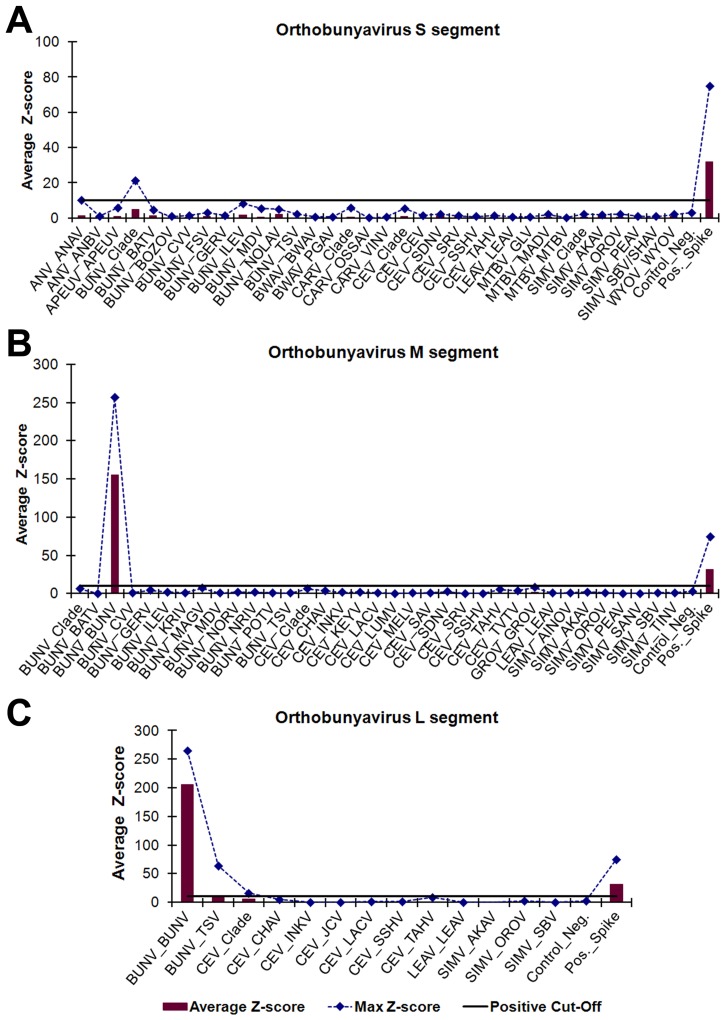
METHODOLOGY/PRINCIPAL FINDINGS: The assay utilizes targeted PCR amplification of three genes from each virus genus for electrochemical detection on a portable, field-tested microarray platform. Fifty-two viruses propagated in cell-culture were used to evaluate the specificity of the PCR primer sets and the ArboChip5.1 microarray capture probes. The microarray detected all of the tested viruses and differentiated between many closely related viruses such as members of the dengue, Japanese encephalitis, and Semliki Forest virus clades. Laboratory infected mosquitoes were used to simulate field samples and to determine the limits of detection. Additionally, we identified dengue virus type 3, Japanese encephalitis virus, Tembusu virus, Culex flavivirus, and a Quang Binh-like virus from mosquitoes collected in Thailand in 2011 and 2012.
CONCLUSIONS/SIGNIFICANCE: We demonstrated that the described assay can be utilized in a comprehensive field surveillance program by the broad-range amplification and specific identification of arboviruses from infected mosquitoes. Furthermore, the microarray platform can be deployed in the field and viral RNA extraction to data analysis can occur in as little as 12 h. The information derived from the ArboChip5.1 microarray can help to establish public health priorities, detect disease outbreaks, and evaluate control programs.
虫媒病毒是全球重要的新兴病原体。由蚊子传播的病毒,如登革热、黄热病和日本脑炎病毒,每年感染数亿人和动物。使用基于分子的检测方法对蚊子媒介中的这些病毒进行全球监测,对于预防和控制相关疾病至关重要。在这里,我们报告了一种寡核苷酸 DNA 微阵列设计,称为 ArboChip5.1,用于从黄病毒科(Flaviviridae 科)、甲病毒科(Togaviridae)、布尼亚病毒科(Bunyaviridae)和布尼亚病毒科(Bunyaviridae)属中检测和鉴定蚊媒 RNA 病毒的多基因检测。
方法/主要发现:该检测利用针对每个病毒属的三个基因的靶向 PCR 扩增,在便携式、经过现场测试的微阵列平台上进行电化学检测。用细胞培养物繁殖的 52 种病毒用于评估 PCR 引物对和 ArboChip5.1 微阵列捕获探针的特异性。微阵列检测到所有测试的病毒,并区分许多密切相关的病毒,如登革热、日本脑炎和 Semliki Forest 病毒群的成员。用实验室感染的蚊子模拟现场样本,以确定检测限。此外,我们还从 2011 年和 2012 年在泰国收集的蚊子中鉴定出了 3 型登革热病毒、日本脑炎病毒、Tembusu 病毒、Culex flavivirus 和 QuanBinh 样病毒。
结论/意义:我们证明,通过广泛扩增和对感染蚊子中病毒的特异性鉴定,该检测方法可用于全面的现场监测计划。此外,微阵列平台可以在现场部署,从病毒 RNA 提取到数据分析可以在 12 小时内完成。ArboChip5.1 微阵列提供的信息有助于确定公共卫生重点、发现疾病爆发并评估控制计划。