Key Laboratory of Viral Heart Diseases, Ministry of Public Health, Shanghai Institute of Cardiovascular Diseases, Zhongshan Hospital, Fudan University, Shanghai, China ; Department of Cardiology, Xinhua Hospital affiliated to Shanghai Jiaotong University, Shanghai, China.
PLoS One. 2013 Aug 20;8(8):e72158. doi: 10.1371/journal.pone.0072158. eCollection 2013.
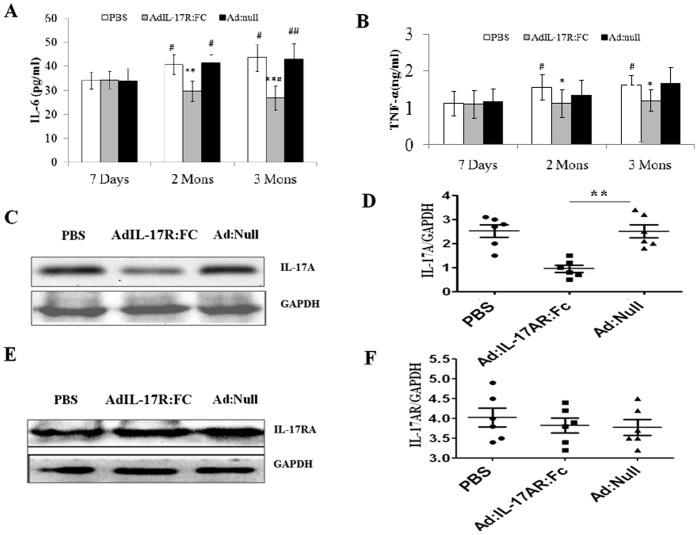
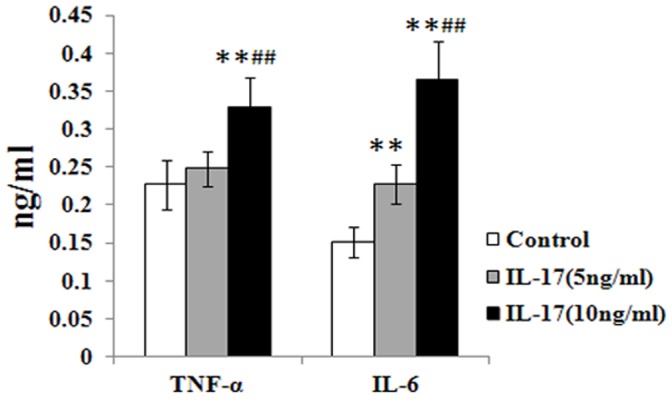
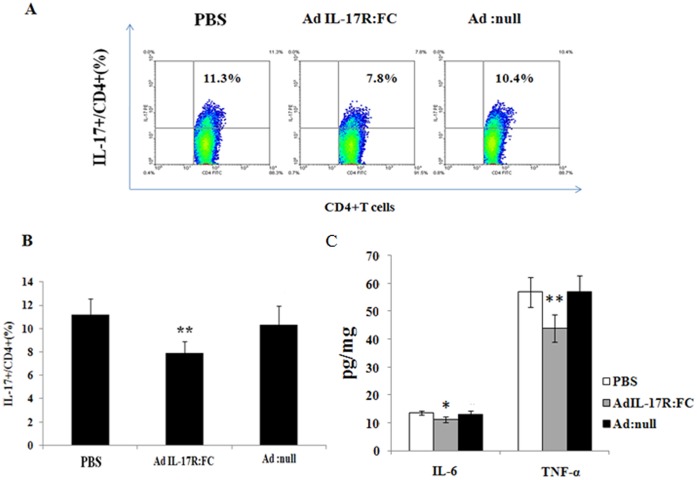
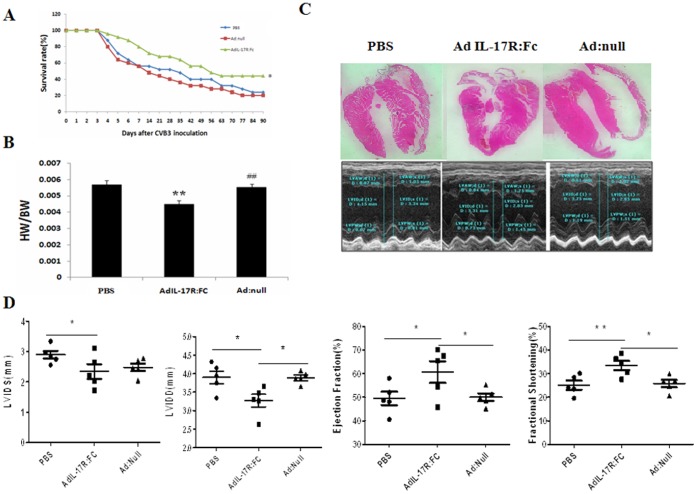
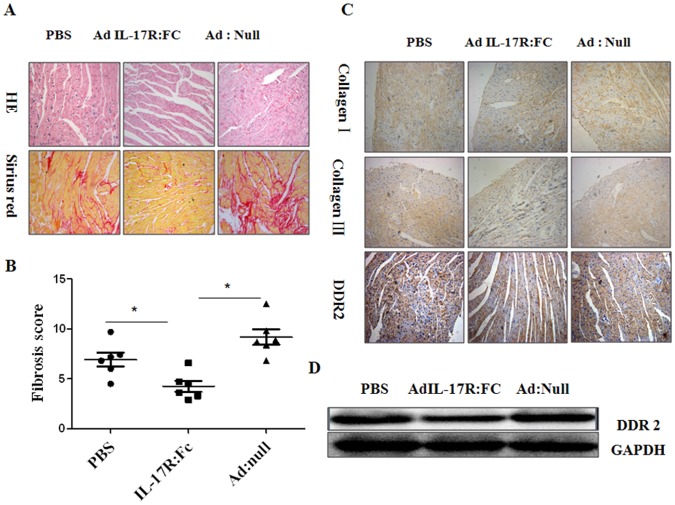
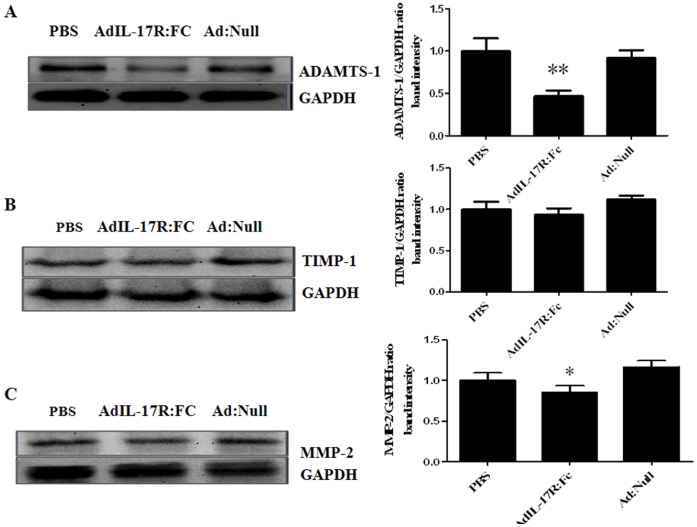
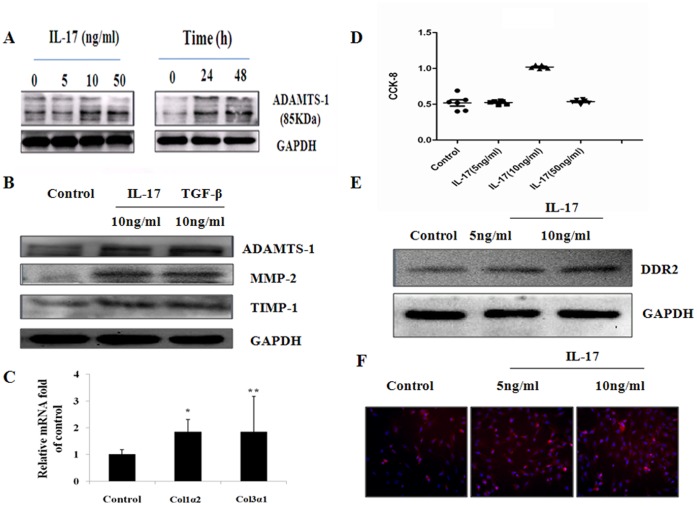
Th17 cells have been implicated in the pathogenesis of myocarditis. Interleukin (IL)-17A produced by Th17 cells is dispensable for viral myocarditis but essential for the progression to dilated cardiomyopathy (DCM). This study investigated whether the adenoviral transfer of the IL-17 receptor A reduces myocardial remodeling and dysfunction in viral myocarditis leading to DCM. In a mouse model of Coxsackievirus B3 (CVB3)-induced chronic myocarditis, the delivery of the adenovirus-containing IL-17 receptor A (Ad-IL17RA:Fc) reduced IL-17A production and decreased the number of Th17 cells in the spleen and heart, leading to the down-regulation of systemic TNF-α and IL-6 production. Cardiac function improved significantly in the Ad-IL17R:Fc- compared with the Ad-null-treated mice 3 months after the first CVB3 infection. Ad-IL17R:Fc reduced the left ventricle dilation and decreased the mortality in viral myocarditis, leading to DCM (56% in the Ad-IL17R:Fc versus 76% in the Ad-null group). The protective effects of Ad-IL17R-Fc on remodeling correlated with the attenuation of myocardial collagen deposition and the reduction of fibroblasts in CVB3-infected hearts, which was accompanied by the down-regulation of A distintegrin and metalloprotease with thrombospondin type 1 motifs (ADAMTS-1), Matrix metalloproteinase-2(MMP-2), and collagen subtypes I and III in the heart. Moreover, in cultured cardiac fibroblasts, IL-17A induced the expression of ADAMTS-1, MMP-2, and collagen subtypes I and III and increased the proliferation of fibroblasts. We determined that the delivery of IL-17-RA:Fc reduces cardiac remodeling, improves function, and decreases mortality in viral myocarditis leading to DCM, possibly by suppressing fibrosis. Therefore, the adenoviral transfer of the IL-17 receptor A may represent an alternative therapy for chronic viral myocarditis and its progression to DCM.
Th17 细胞已被牵连到心肌炎的发病机制中。Th17 细胞产生的白细胞介素 (IL)-17A 对于病毒性心肌炎不是必需的,但对于进展为扩张型心肌病 (DCM) 是必需的。本研究探讨了腺病毒转导白细胞介素 17 受体 A 是否可以减少病毒心肌炎导致 DCM 的心肌重构和功能障碍。在柯萨奇病毒 B3 (CVB3) 诱导的慢性心肌炎小鼠模型中,递送含有白细胞介素 17 受体 A 的腺病毒 (Ad-IL17RA:Fc) 可减少 IL-17A 的产生并减少脾脏和心脏中的 Th17 细胞数量,导致全身 TNF-α和 IL-6 的产生下调。与 Ad-null 处理的小鼠相比,在第一次 CVB3 感染后 3 个月,Ad-IL17R:Fc 治疗的小鼠心功能明显改善。Ad-IL17R:Fc 减少了左心室扩张并降低了病毒性心肌炎导致 DCM 的死亡率(Ad-IL17R:Fc 组为 56%,Ad-null 组为 76%)。Ad-IL17R-Fc 对重构的保护作用与心肌胶原沉积的减弱以及 CVB3 感染心脏中纤维母细胞的减少相关,这伴随着 A 型血小板反应蛋白 1 基序 (ADAMTS-1)、基质金属蛋白酶 2 (MMP-2) 和胶原亚型 I 和 III 在心脏中的下调。此外,在培养的心脏成纤维细胞中,IL-17A 诱导 ADAMTS-1、MMP-2 和胶原亚型 I 和 III 的表达,并增加成纤维细胞的增殖。我们确定,IL-17-RA:Fc 的递送可减少病毒性心肌炎导致 DCM 的心脏重构、改善功能和降低死亡率,可能通过抑制纤维化。因此,白细胞介素 17 受体 A 的腺病毒转导可能是慢性病毒性心肌炎及其进展为 DCM 的替代治疗方法。