Leibniz Research Centre for Working Environment and Human Factors at the Technical University of Dortmund (IfADo), Dortmund, Germany.
PLoS One. 2013 Sep 4;8(9):e74539. doi: 10.1371/journal.pone.0074539. eCollection 2013.
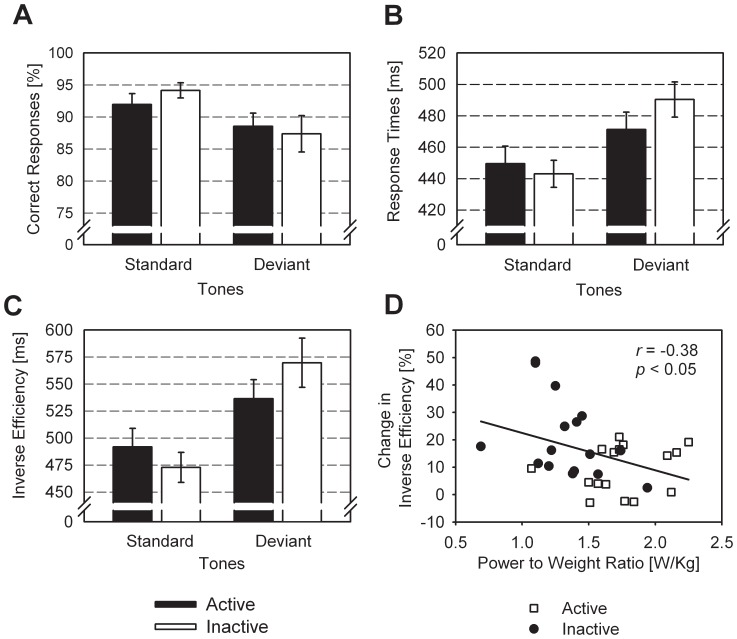
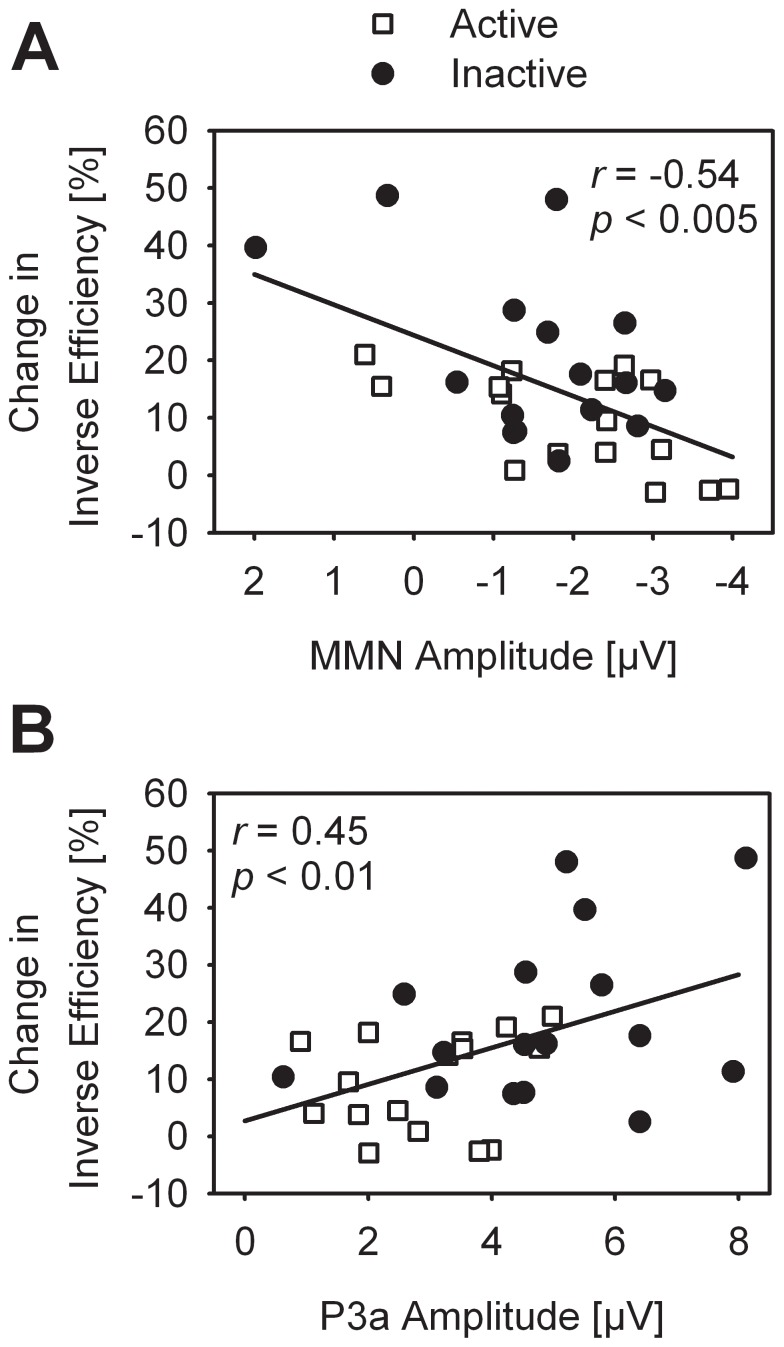
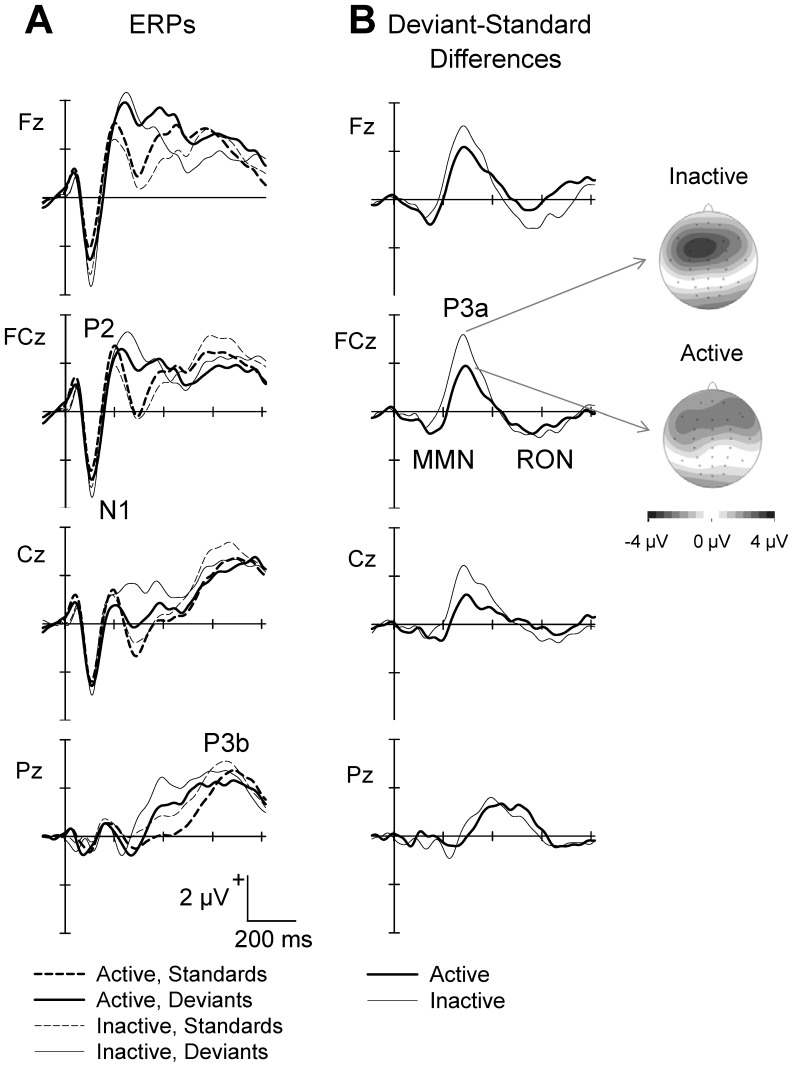
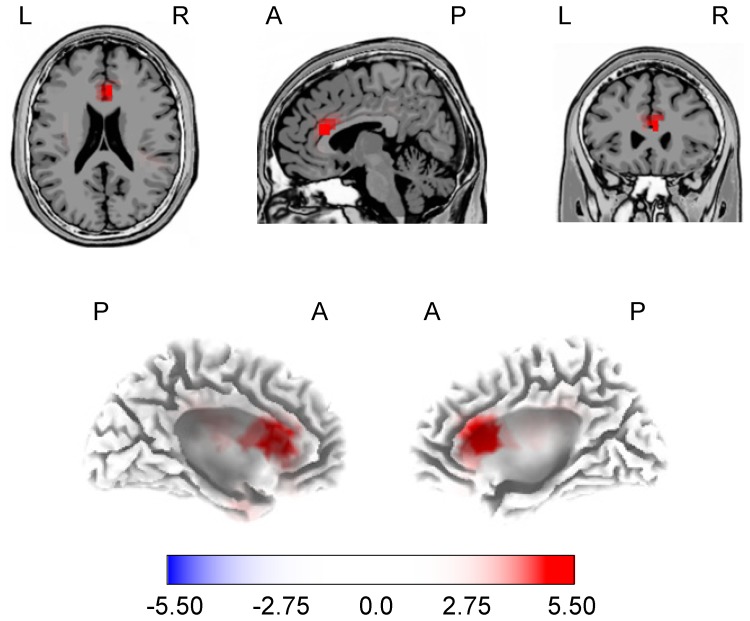
It has been shown that healthy aging affects the ability to focus attention on a given task and to ignore distractors. Here, we asked whether long-term physical activity is associated with lower susceptibility to distraction of auditory attention, and how physically active and inactive seniors may differ regarding subcomponents of auditory attention. An auditory duration discrimination task was employed, and involuntary attentional shifts to task-irrelevant rare frequency deviations and subsequent reorientation were studied by analysis of behavioral data and event-related potential measures. The frequency deviations impaired performance more in physically inactive than active seniors. This was accompanied by a stronger frontal positivity (P3a) and increased activation of anterior cingulate cortex, suggesting a stronger involuntary shift of attention towards task-irrelevant stimulus features in inactive compared to active seniors. These results indicate a positive relationship between physical fitness and attentional control in elderly, presumably due to more focused attentional resources and enhanced inhibition of irrelevant stimulus features.
研究表明,健康的衰老会影响人们专注于某项任务和忽略干扰因素的能力。在这里,我们想知道长期的体育锻炼是否与听觉注意力分散的敏感性降低有关,以及活跃和不活跃的老年人在听觉注意力的子成分上可能有何不同。我们采用了听觉持续时间辨别任务,并通过分析行为数据和事件相关电位测量来研究对任务不相关的稀有频率偏差的非自愿注意力转移和随后的重新定向。与活跃的老年人相比,不活跃的老年人对身体活动的频率偏差更容易干扰。这伴随着更强的额部正性波(P3a)和前扣带皮层的激活增加,表明与活跃的老年人相比,不活跃的老年人的注意力更容易无意识地转移到与任务不相关的刺激特征上。这些结果表明,身体活动与老年人的注意力控制之间存在积极的关系,这可能是由于注意力资源更加集中,以及对不相关刺激特征的抑制增强。