Department of Biological Systems Engineering, Virginia Tech, Blacksburg, Virginia, United States of America.
PLoS One. 2013 Sep 6;8(9):e74679. doi: 10.1371/journal.pone.0074679. eCollection 2013.
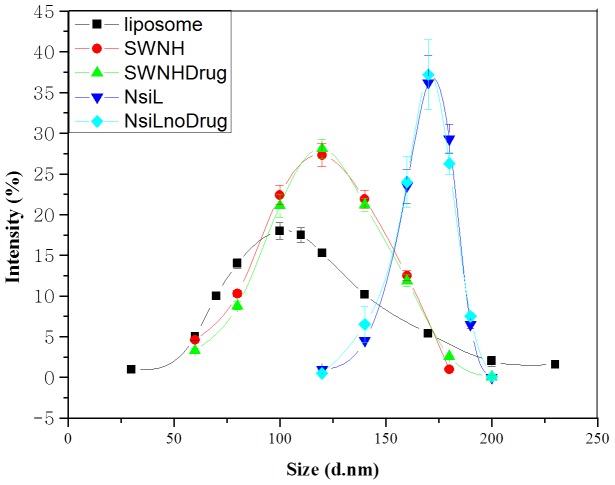
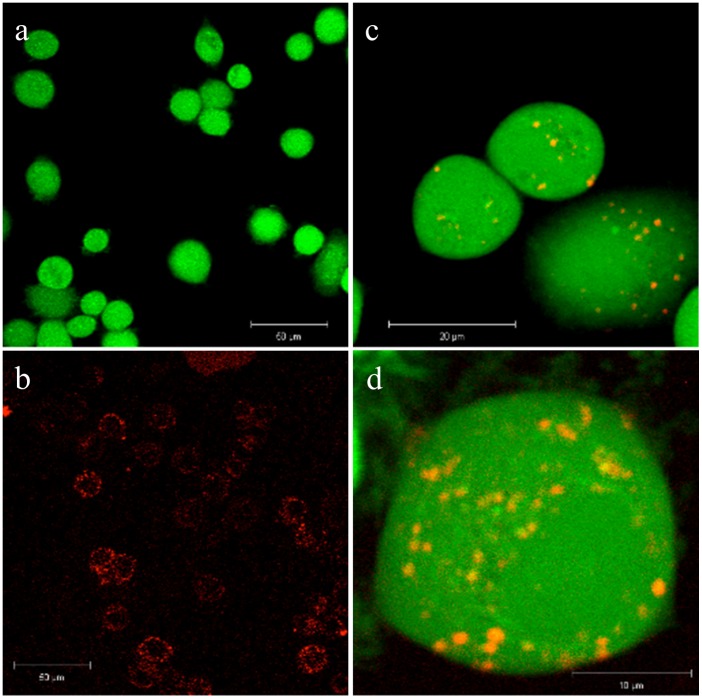
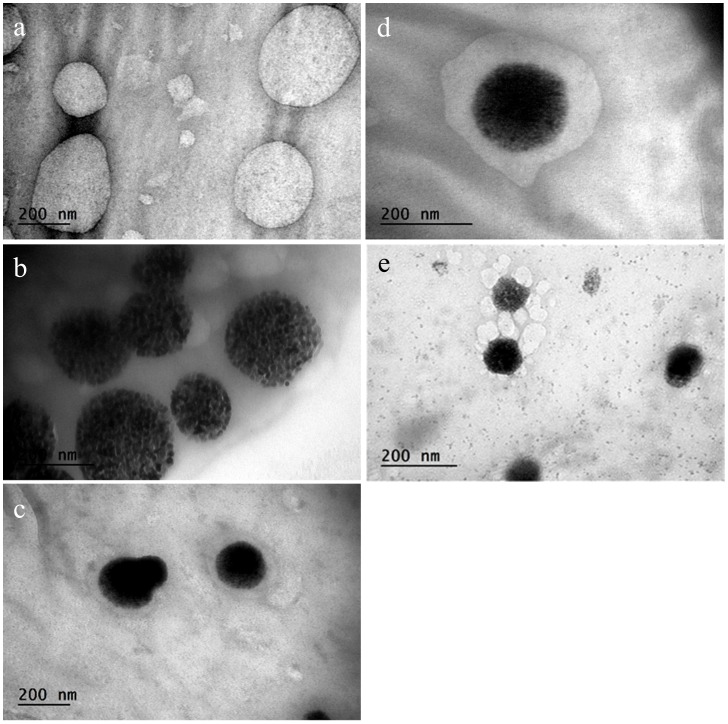
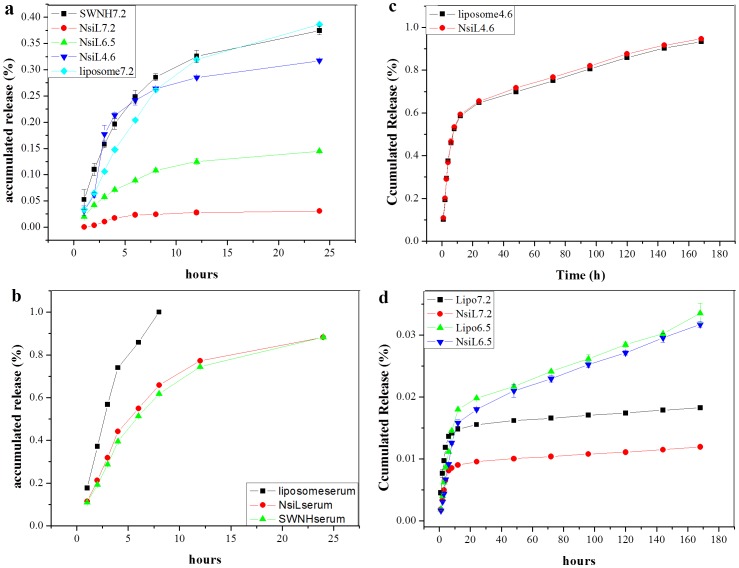
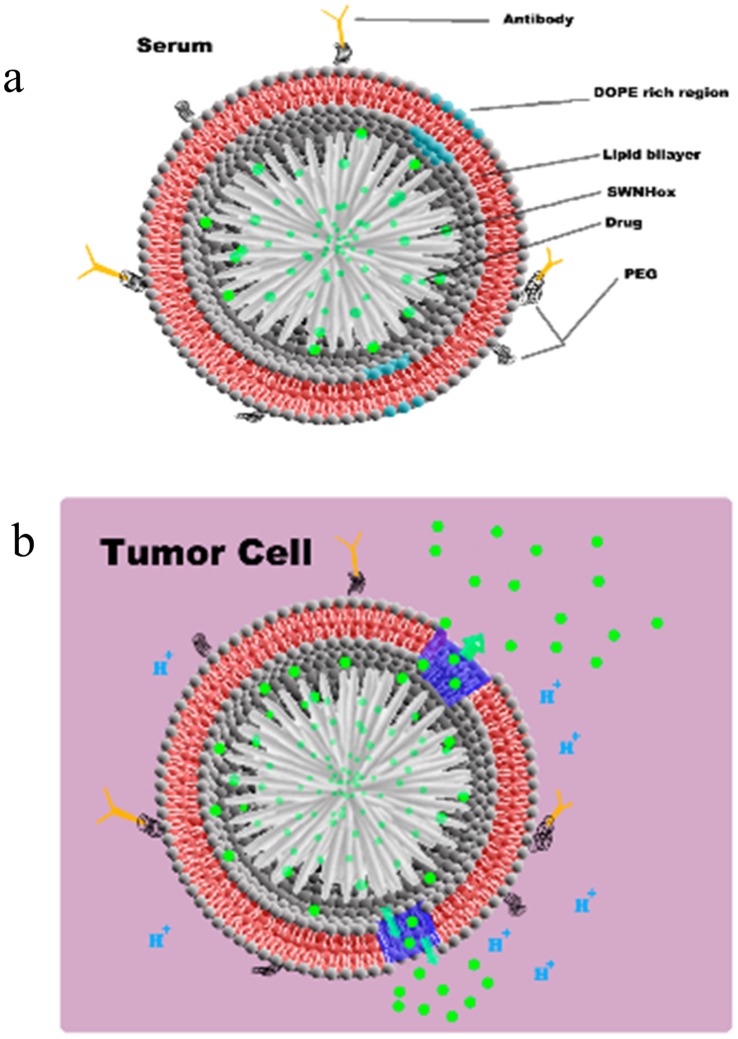
A critical limiting factor of chemotherapy is the unacceptably high toxicity. The use of nanoparticle based drug carriers has significantly reduced the side effects and facilitated the delivery of drugs. Source of the remaining side effect includes (1) the broad final in vivo distribution of the administrated nanoparticles, and (2) strong basal drug release from nanoparticles before they could reach the tumor. Despite the advances in pH-triggered release, undesirable basal drug release has been a constant challenge under in vivo conditions. In this study, functionalized single walled carbon nanohorn supported immunoliposomes were assembled for paclitaxel delivery. The immunoliposomes were formulated with polyethylene glycol, thermal stable and pH sensitive phospholipids. Each nanohorn was found to be encapsulated within one immunoliposome. Results showed a highly pH dependent release of paclitaxel in the presence of serum at body temperature with minimal basal release under physiological conditions. Upon acidification, paclitaxel was released at a steady rate over 30 days with a cumulative release of 90% of the loaded drug. The drug release results proved our hypothesized double controlled release mechanism from the nanoparticles. Other results showed the nanoparticles have doubled loading capacity compared to that of traditional liposomes and higher affinity to breast cancer cells overexpressing Her2 receptors. Internalized nanoparticles were found in lysosomes.
化疗的一个关键限制因素是不可接受的高毒性。纳米颗粒药物载体的使用显著降低了副作用,并促进了药物的递送。残留副作用的来源包括:(1)给予的纳米颗粒在体内的广泛最终分布;(2)在纳米颗粒到达肿瘤之前,从纳米颗粒中强烈的基础药物释放。尽管在 pH 触发释放方面取得了进展,但在体内条件下,不理想的基础药物释放一直是一个持续的挑战。在这项研究中,组装了功能化的单壁碳纳米角负载免疫脂质体用于紫杉醇的递送。免疫脂质体由聚乙二醇、热稳定和 pH 敏感的磷脂组成。每个纳米角都被包裹在一个免疫脂质体中。结果表明,在存在血清的情况下,紫杉醇在体温下具有高度 pH 依赖性释放,在生理条件下基础释放最小。酸化后,紫杉醇以稳定的速率释放,30 天内累积释放 90%的加载药物。药物释放结果证明了我们假设的纳米颗粒的双重控制释放机制。其他结果表明,与传统脂质体相比,纳米颗粒的载药能力提高了一倍,并且对过表达 Her2 受体的乳腺癌细胞具有更高的亲和力。在溶酶体中发现了内化的纳米颗粒。