Department of Physiology, Monash University, Melbourne, Australia.
Cardiovasc Diabetol. 2013 Aug 1;12:111. doi: 10.1186/1475-2840-12-111.
Activation of RhoA/Rho-kinase (ROCK) is increasingly implicated in acute vasospasm and chronic vasoconstriction in major organ systems. Therefore we aimed to ascertain whether an increase in ROCK activity plays a role in the deterioration of coronary vascular function in early stage diabetes.
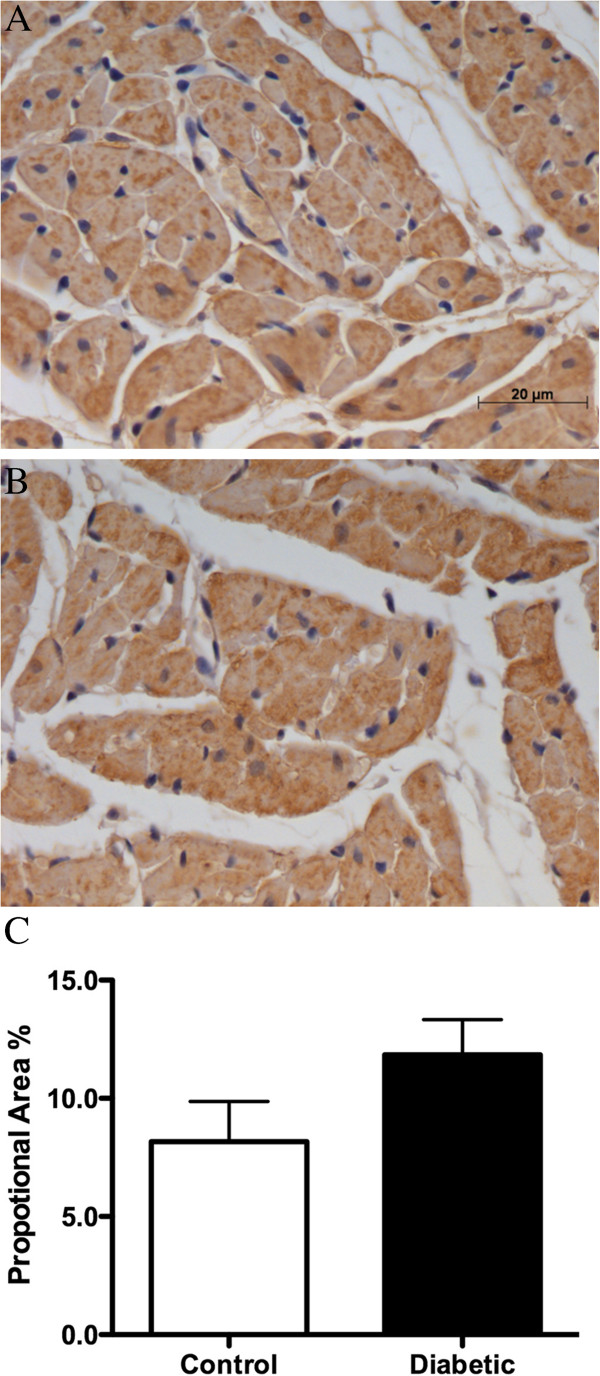
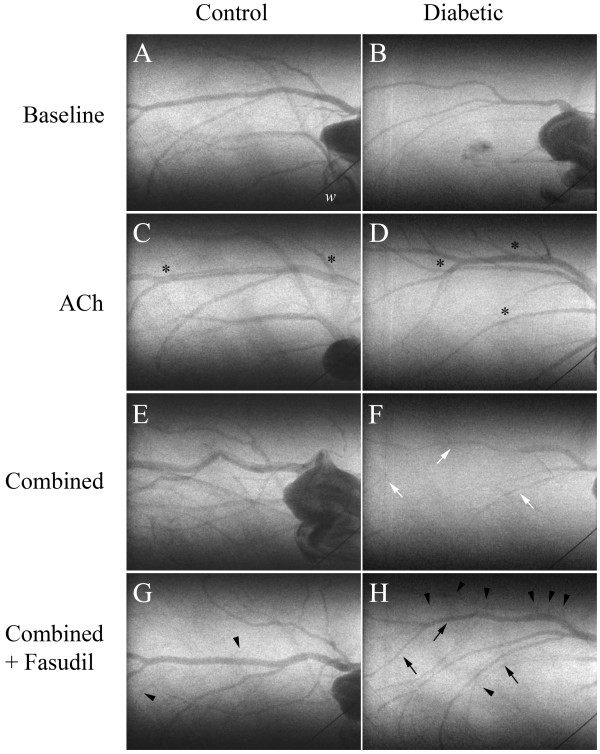
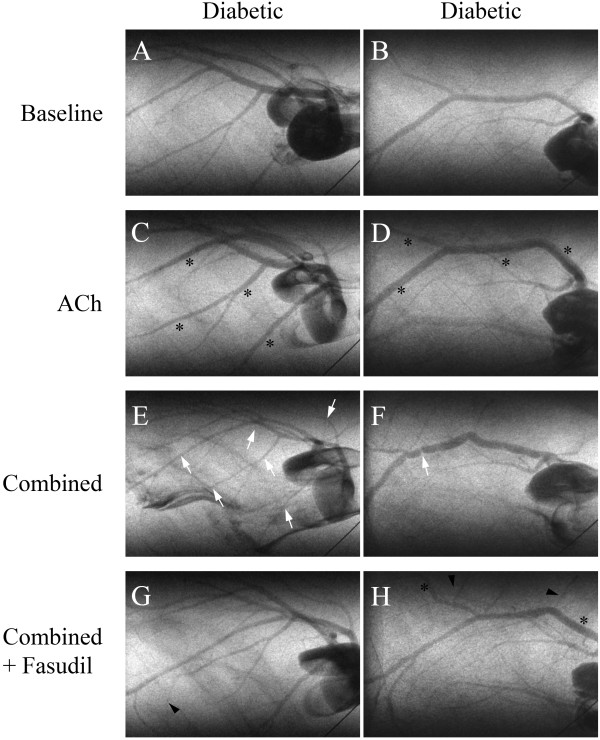
Synchrotron radiation microangiography was used to determine in vivo coronary responses in diabetic (3 weeks post streptozotocin 65 mg/kg ip) and vehicle treated male Sprague-Dawley rats (n = 8 and 6). Changes in vessel number and calibre during vasodilator stimulation before and after blockade of nitric oxide synthase and cyclooxygenase were compared between rats. Acute responses to ROCK inhibitor, fasudil (10 mg/kg iv) was evaluated. Further, perivascular and myocardial fibrosis, arterial intimal thickening were assessed by histology, and capillary density, nitrotyrosine and ROCK1/2 expressions were evaluated by immunohistochemical staining.
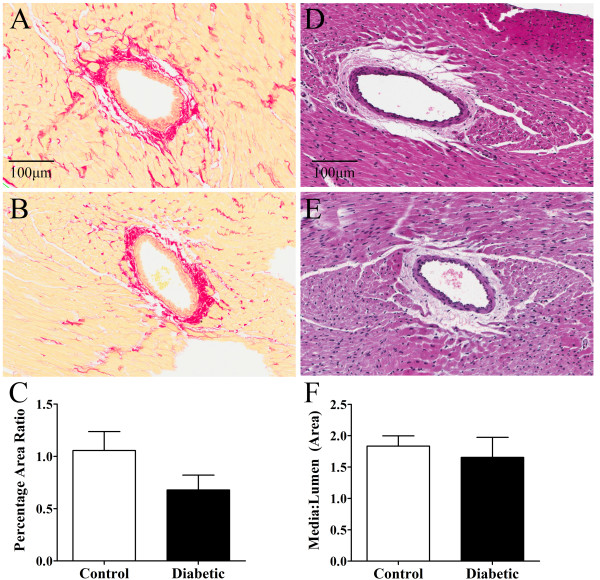
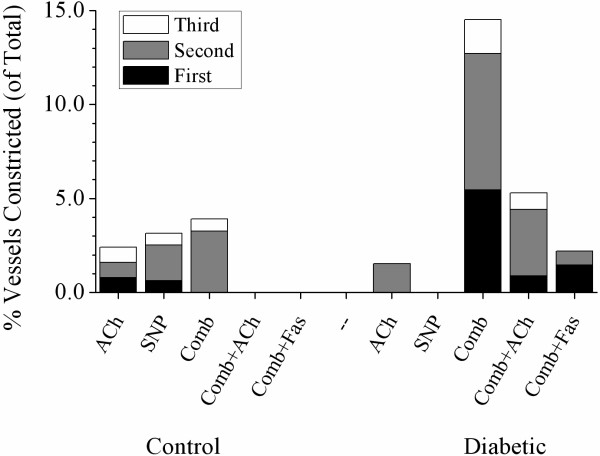
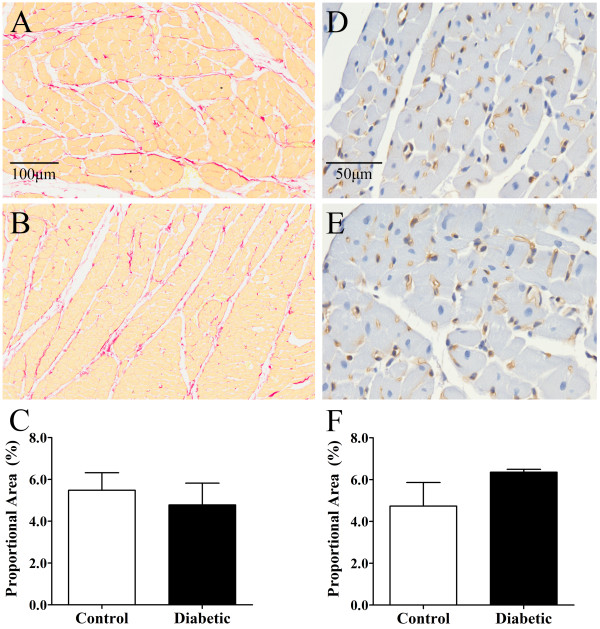
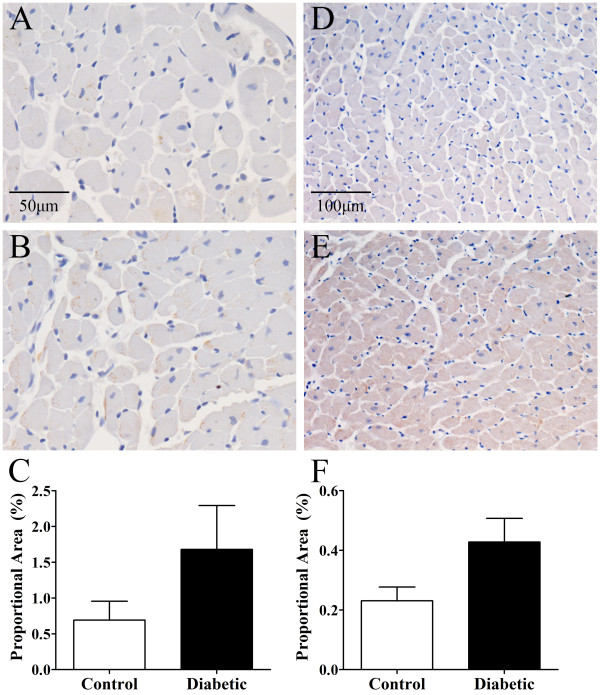
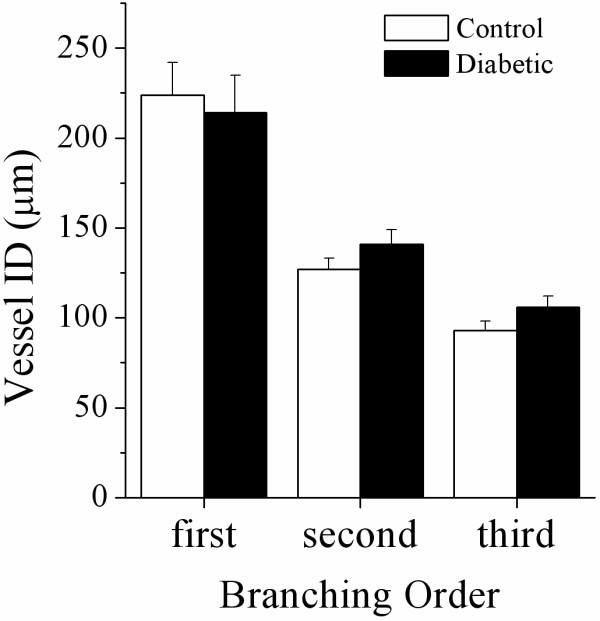
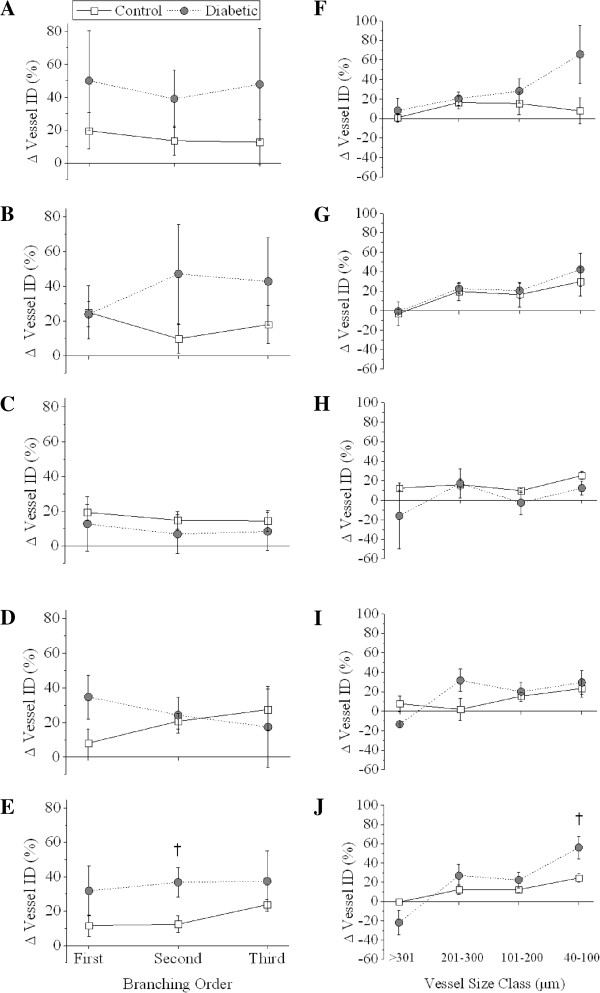
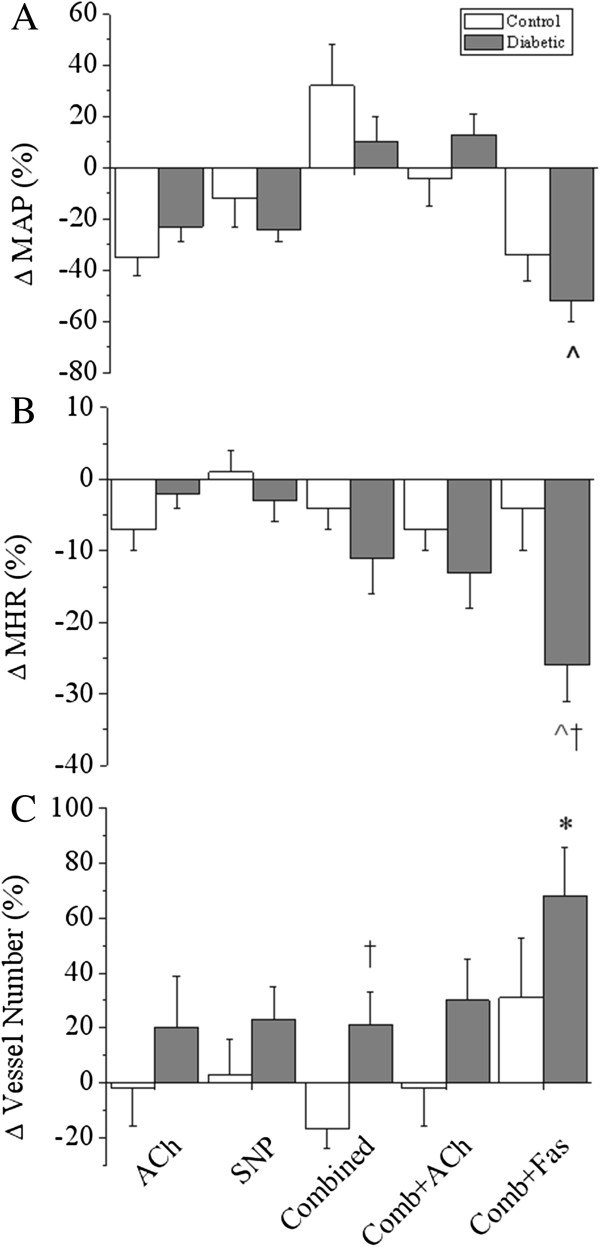
Diabetic rats had significantly elevated plasma glucose (P < 0.001 vs control), but did not differ in fibrotic scores, media to lumen ratio, capillary density or baseline visible vessel number or calibre. Responses to acetylcholine and sodium nitroprusside stimulation were similar between groups. However, in comparison to control rats the diabetic rats showed more segmental constrictions during blockade, which were not completely alleviated by acetylcholine, but were alleviated by fasudil. Further, second order vessel branches in diabetic rats were significantly more dilated relative to baseline (37% vs 12% increase, P < 0.05) after fasudil treatment compared to control rats, while visible vessel number increased in both groups. ROCK2 expression was borderline greater in diabetic rat hearts (P < 0.053).
We found that ahead of the reported decline in coronary endothelial vasodilator function in diabetic rats there was moderate elevation in ROCK expression, more widespread segmental constriction when nitric oxide and prostacyclin production were inhibited and notably, increased calibre in second and third order small arteries-arterioles following ROCK inhibition. Based on nitrotyrosine staining oxidative stress was not significantly elevated in early diabetic rats. We conclude that tonic ROCK mediated vasoconstriction contributes to coronary vasomotor tone in early diabetes.
越来越多的证据表明,RhoA/Rho-激酶(ROCK)的激活在主要器官系统的急性血管痉挛和慢性血管收缩中起作用。因此,我们旨在确定 ROCK 活性的增加是否在早期糖尿病中冠状动脉血管功能恶化中起作用。
利用同步辐射微血管成像技术,在链脲佐菌素(65mg/kg ip)诱导的糖尿病(3 周后)和载体处理的雄性 Sprague-Dawley 大鼠(n=8 和 6)体内确定冠状动脉反应。比较了一氧化氮合酶和环氧化酶阻断前后血管扩张刺激下血管数量和口径的变化。评估了 ROCK 抑制剂 fasudil(10mg/kg iv)的急性反应。此外,通过组织学评估血管周围和心肌纤维化、动脉内膜增厚,通过免疫组织化学染色评估毛细血管密度、硝基酪氨酸和 ROCK1/2 的表达。
糖尿病大鼠的血糖明显升高(P<0.001 与对照组相比),但纤维化评分、中膜与内腔比、毛细血管密度或基线可见血管数量或口径无差异。各组对乙酰胆碱和硝普钠刺激的反应相似。然而,与对照组大鼠相比,糖尿病大鼠在阻断期间显示出更多的节段性收缩,这些收缩不能完全被乙酰胆碱缓解,但可以被 fasudil 缓解。此外,与对照组大鼠相比,糖尿病大鼠的二级血管分支在 fasudil 治疗后相对于基线明显扩张(37%与 12%的增加,P<0.05),而两组可见血管数量均增加。糖尿病大鼠心脏的 ROCK2 表达略有增加(P<0.053)。
我们发现,在糖尿病大鼠冠状动脉内皮舒张功能下降之前,ROCK 表达适度升高,当一氧化氮和前列环素产生被抑制时,出现更广泛的节段性收缩,并且在 ROCK 抑制后,第二和第三级小动脉-小动脉的口径明显增加。基于硝基酪氨酸染色,早期糖尿病大鼠的氧化应激没有明显升高。我们的结论是,紧张的 ROCK 介导的血管收缩有助于早期糖尿病的冠状动脉血管舒缩。