Laboratory of Molecular Neurobiology, Nencki Institute of Experimental Biology, Warsaw, Poland.
J Mol Med (Berl). 2014 Mar;92(3):239-54. doi: 10.1007/s00109-013-1090-5. Epub 2013 Oct 6.
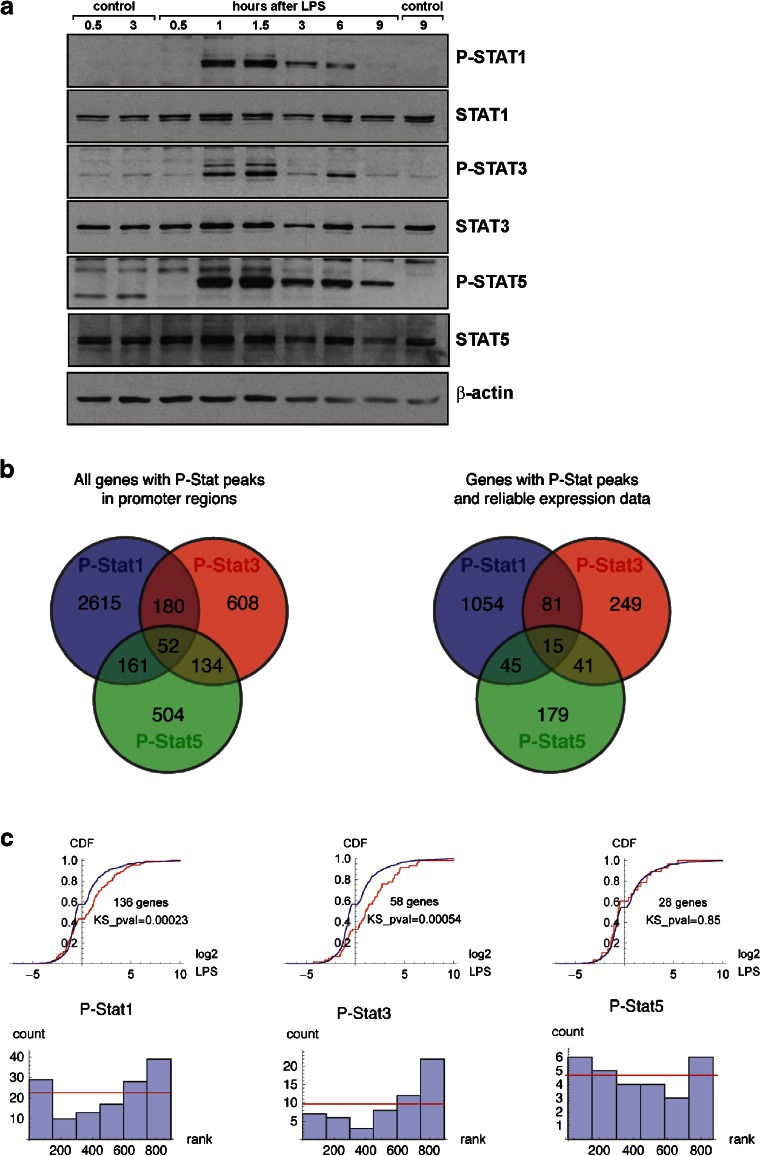
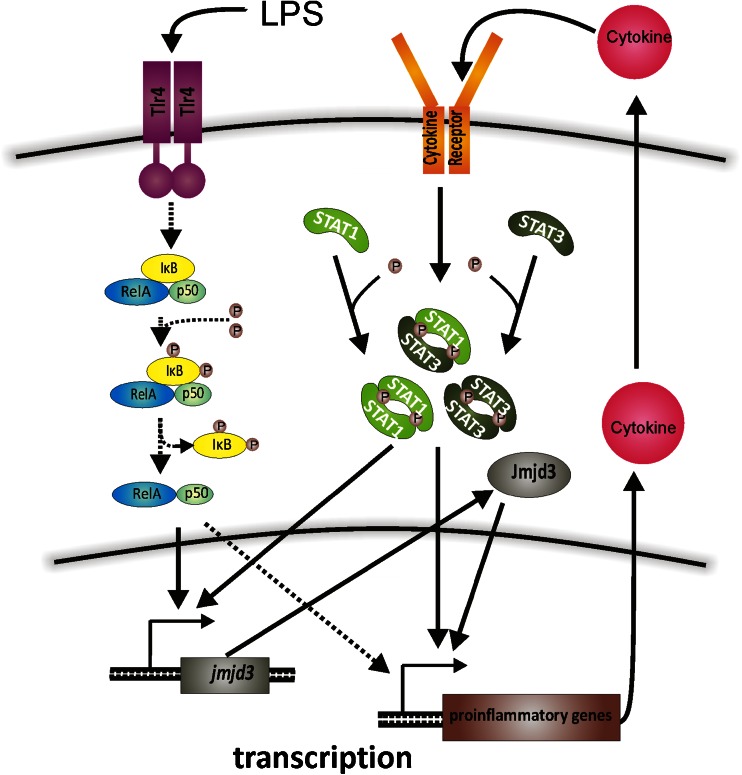
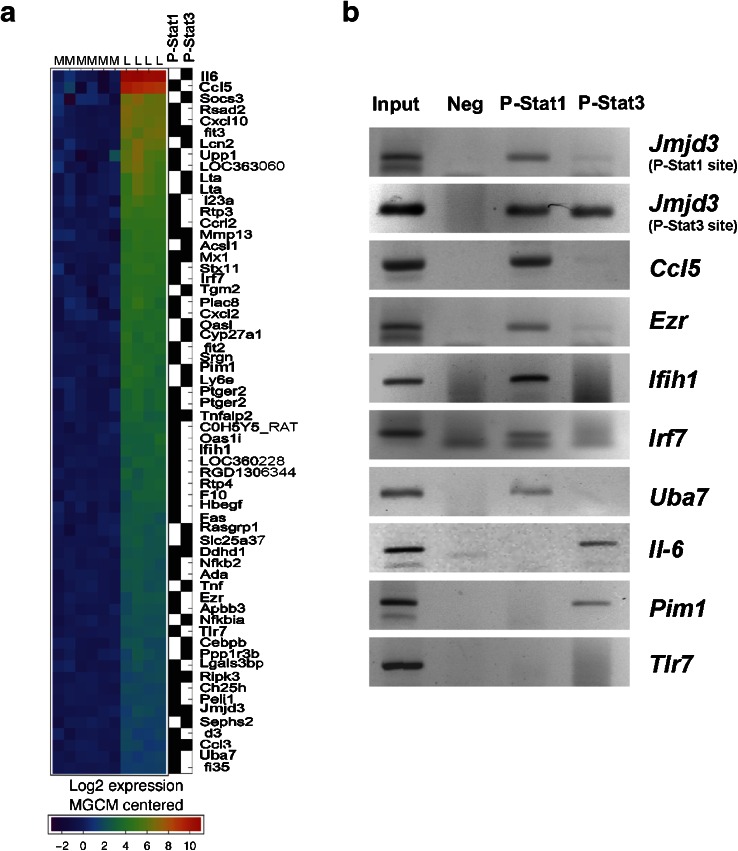
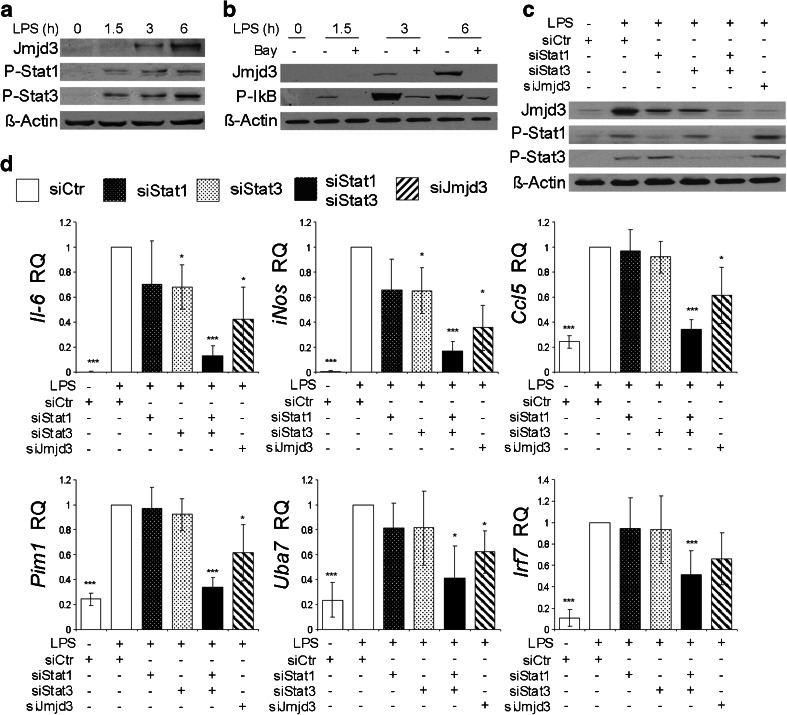
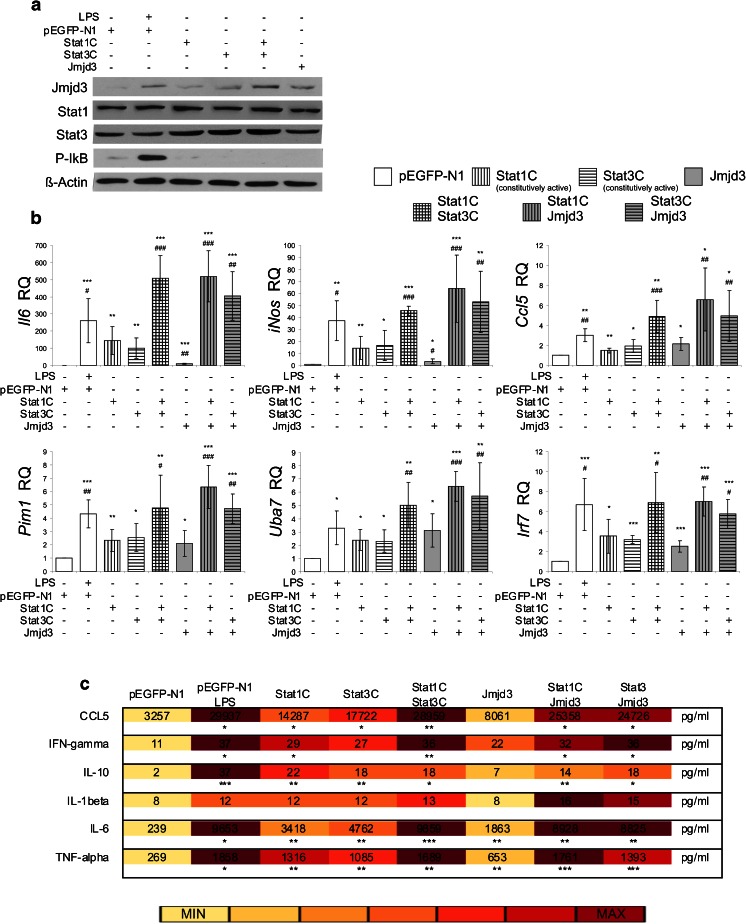
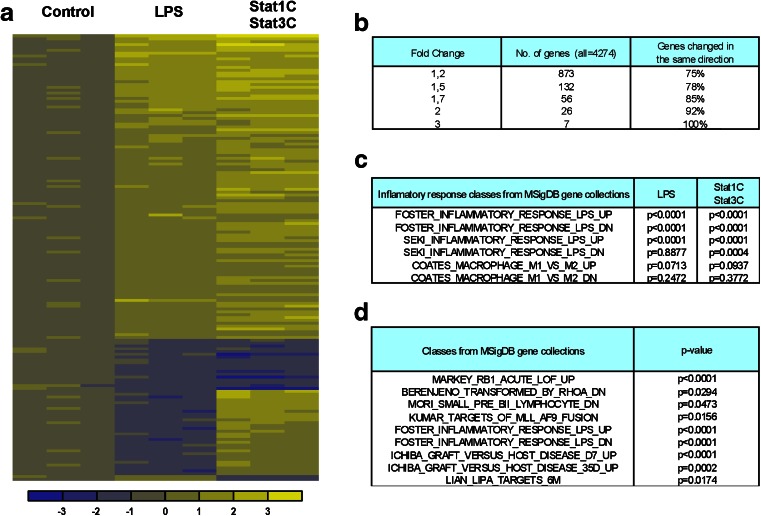
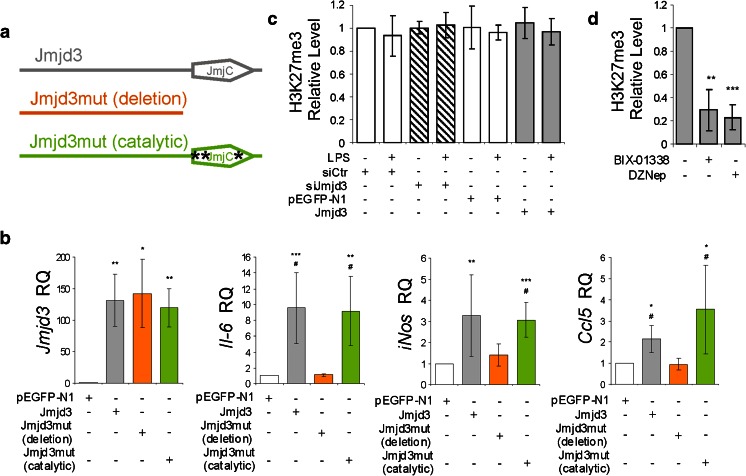
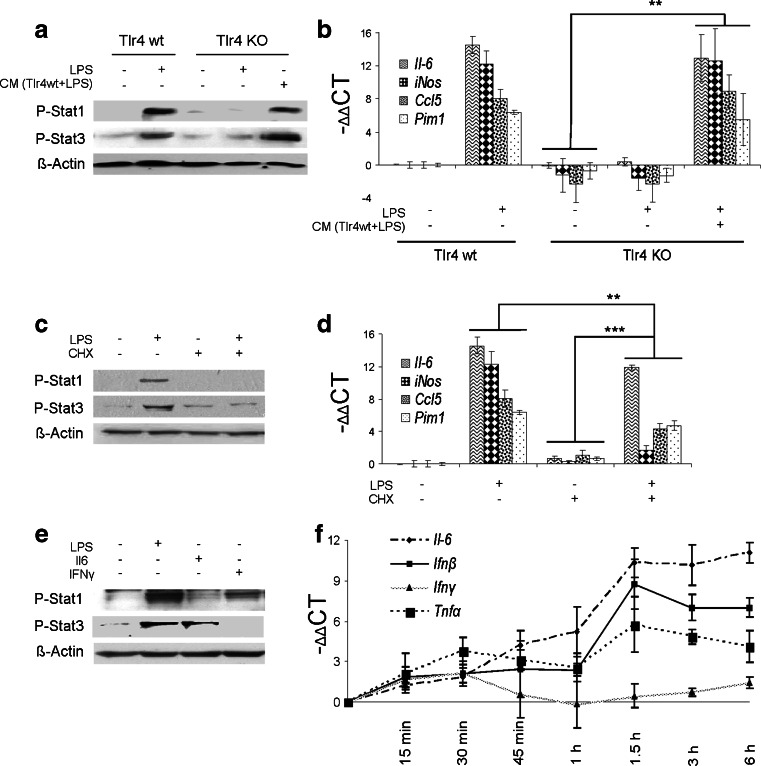
Most neurological diseases are associated with chronic inflammation initiated by the activation of microglia, which produce cytotoxic and inflammatory factors. Signal transducers and activators of transcription (STATs) are potent regulators of gene expression but contribution of particular STAT to inflammatory gene expression and STAT-dependent transcriptional networks underlying brain inflammation need to be identified. In the present study, we investigated the genomic distribution of Stat binding sites and the role of Stats in the gene expression in lipopolysaccharide (LPS)-activated primary microglial cultures. Integration of chromatin immunoprecipitation-promoter microarray data and transcriptome data revealed novel Stat-target genes including Jmjd3, Ccl5, Ezr, Ifih1, Irf7, Uba7, and Pim1. While knockdown of individual Stat had little effect on the expression of tested genes, knockdown of both Stat1 and Stat3 inhibited the expression of Jmjd3 and inflammatory genes. Transcriptional regulation of Jmjd3 by Stat1 and Stat3 is a novel mechanism crucial for launching inflammatory responses in microglia. The effects of Jmjd3 on inflammatory gene expression were independent of its H3K27me3 demethylase activity. Forced expression of constitutively activated Stat1 and Stat3 induced the expression of Jmjd3, inflammation-related genes, and the production of pro-inflammatory cytokines as potently as lipopolysacharide. Gene set enrichment and gene function analysis revealed categories linked to the inflammatory response in LPS and Stat1C + Stat3C groups. We defined upstream pathways that activate STATs in response to LPS and demonstrated contribution of Tlr4 and Il-6 and interferon-γ signaling. Our findings define novel direct transcriptional targets of Stat1 and Stat3 and highlight their contribution to inflammatory gene expression.
Combined analysis of genomic Stat occupancy and transcriptome revealed novel Stat target genes in LPS-induced microglia. Jmjd3 transcription factor is a novel transcriptional target of Stat1 and Stat3. Stat1 and Stat3 cooperate with Jmjd3 to induce the expression of pro-inflammatory genes. Constitutively active Stat1 and Stat3 fully mimic the LPS-induced upregulation of inflammatory genes and secretion of cytokines.
大多数神经疾病都与小胶质细胞激活引发的慢性炎症有关,小胶质细胞会产生细胞毒性和炎症因子。信号转导子和转录激活子(STATs)是基因表达的有效调节剂,但需要确定特定 STAT 对炎症基因表达的贡献以及 STAT 依赖性转录网络在大脑炎症中的作用。在本研究中,我们研究了 Stat 结合位点的基因组分布以及 Stat 在脂多糖(LPS)激活的原代小胶质细胞培养物中基因表达中的作用。染色质免疫沉淀-启动子微阵列数据和转录组数据的整合揭示了包括 Jmjd3、Ccl5、Ezr、Ifih1、Irf7、Uba7 和 Pim1 在内的新 Stat 靶基因。虽然单独敲低 Stat 对测试基因的表达影响不大,但敲低 Stat1 和 Stat3 均抑制了 Jmjd3 和炎症基因的表达。Stat1 和 Stat3 对 Jmjd3 的转录调控是小胶质细胞中启动炎症反应的关键新机制。Jmjd3 对炎症基因表达的影响与其 H3K27me3 去甲基化酶活性无关。组成型激活的 Stat1 和 Stat3 的强制表达,如 LPS 一样强烈诱导 Jmjd3、炎症相关基因和促炎细胞因子的表达。基因集富集和基因功能分析显示了 LPS 和 Stat1C + Stat3C 组中与炎症反应相关的类别。我们定义了 LPS 激活 STATs 的上游途径,并证明了 Tlr4 和 Il-6 以及干扰素-γ信号的贡献。我们的研究结果定义了 Stat1 和 Stat3 的新直接转录靶标,并强调了它们对炎症基因表达的贡献。
基因组 Stat 占据分析与转录组的联合分析揭示了 LPS 诱导的小胶质细胞中 Stat 的新靶基因。Jmjd3 转录因子是 Stat1 和 Stat3 的新转录靶标。Stat1 和 Stat3 与 Jmjd3 合作诱导促炎基因的表达。组成型激活的 Stat1 和 Stat3 完全模拟了 LPS 诱导的炎症基因上调和细胞因子分泌。