NanoBiotechnology Research Laboratory, School of Applied Sciences, Royal Melbourne Institute of Technology University, Melbourne, Victoria, Australia.
PLoS One. 2013 Oct 17;8(10):e79676. doi: 10.1371/journal.pone.0079676. eCollection 2013.
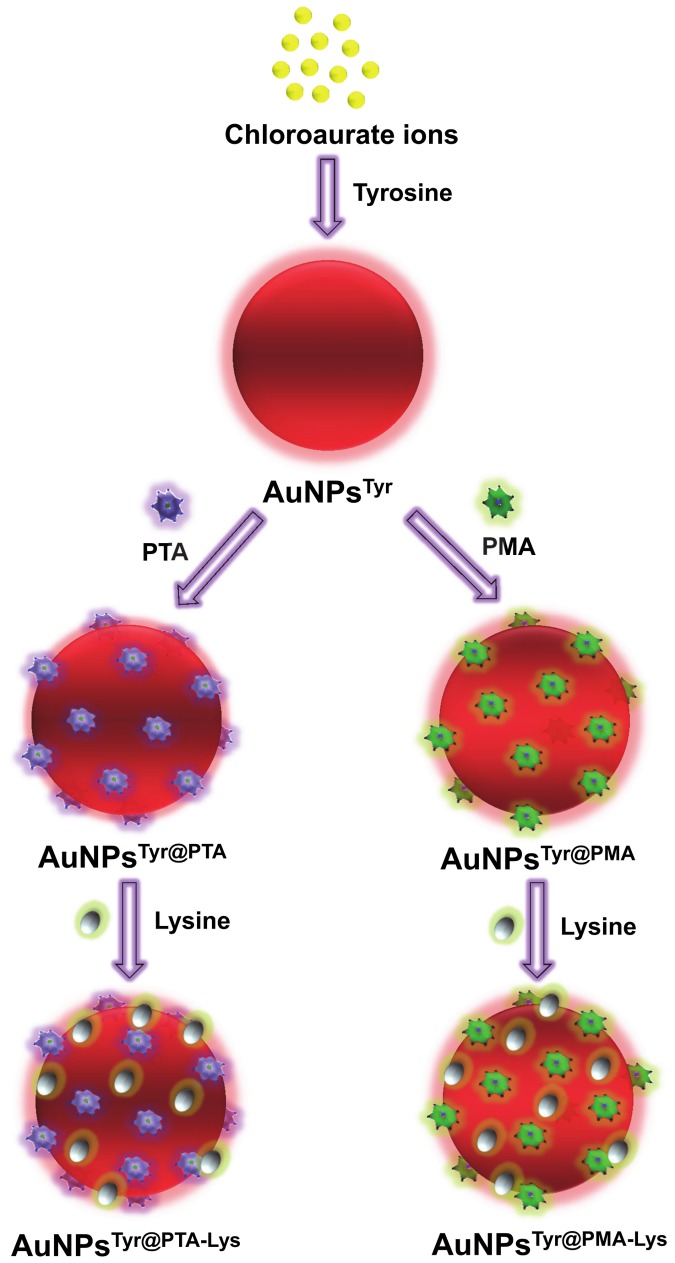
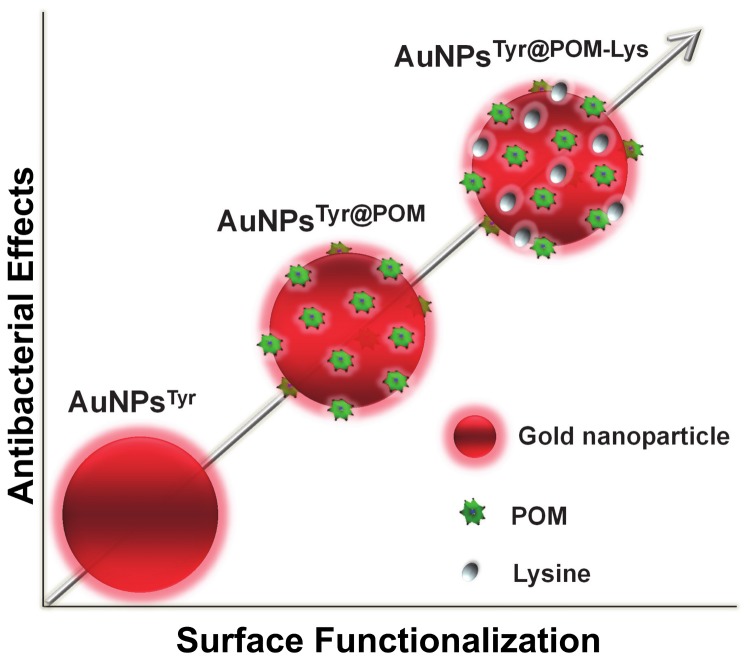
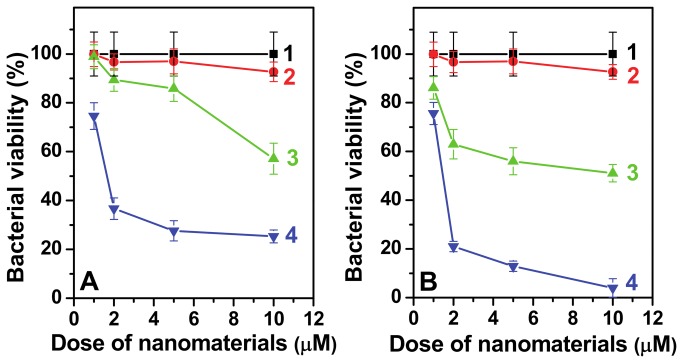
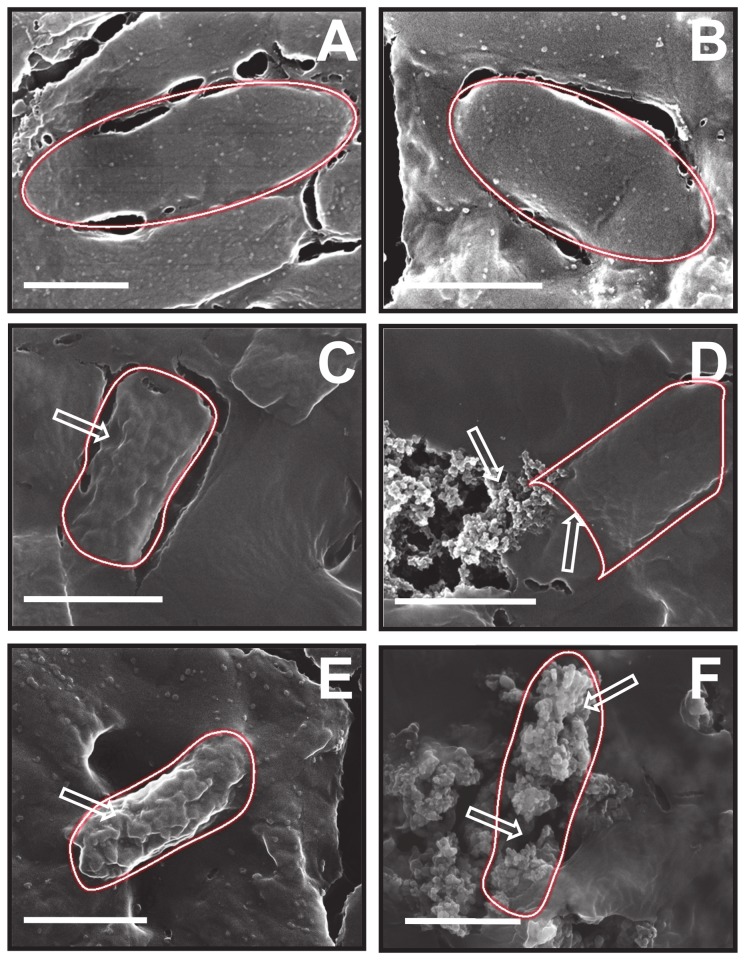
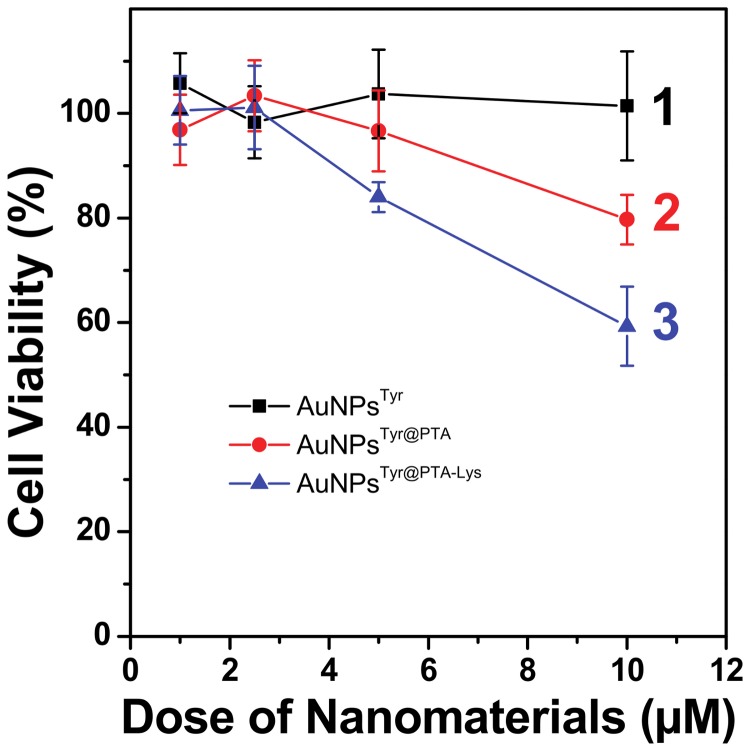
Antimicrobial action of nanomaterials is typically assigned to the nanomaterial composition, size and/or shape, whereas influence of complex corona stabilizing the nanoparticle surface is often neglected. We demonstrate sequential surface functionalization of tyrosine-reduced gold nanoparticles (AuNPs(Tyr)) with polyoxometalates (POMs) and lysine to explore controlled chemical functionality-driven antimicrobial activity. Our investigations reveal that highly biocompatible gold nanoparticles can be tuned to be a strong antibacterial agent by fine-tuning their surface properties in a controllable manner. The observation from the antimicrobial studies on a gram negative bacterium Escherichia coli were further validated by investigating the anticancer properties of these step-wise surface-controlled materials against A549 human lung carcinoma cells, which showed a similar toxicity pattern. These studies highlight that the nanomaterial toxicity and biological applicability are strongly governed by their surface corona.
纳米材料的抗菌作用通常归因于纳米材料的组成、大小和/或形状,而稳定纳米粒子表面的复杂电晕的影响往往被忽视。我们通过用多金属氧酸盐(POMs)和赖氨酸依次对酪氨酸还原的金纳米粒子(AuNPs(Tyr))进行表面功能化,来探索受控制的化学官能团驱动的抗菌活性。我们的研究表明,通过以可控的方式精细调整其表面特性,可以将高度生物相容的金纳米粒子调制成强抗菌剂。通过对革兰氏阴性菌大肠杆菌进行抗菌研究的观察,进一步验证了这些逐步表面控制材料对 A549 人肺癌细胞的抗癌特性,其表现出相似的毒性模式。这些研究强调,纳米材料的毒性和生物适用性受其表面电晕的强烈影响。