International Center for Chemical and Biological Sciences, H.E.J. Research Institute of Chemistry, University of Karachi, Karachi, 75270, Pakistan.
Department of Biological Sciences, School of Science and Technology, Sunway University, 47500, Subang Jaya, Selangor, Malaysia.
J Nanobiotechnology. 2018 Jan 29;16(1):6. doi: 10.1186/s12951-017-0332-z.
Gold nanoparticles are useful candidate for drug delivery applications and are associated with enhancement in the bioavailability of coated drugs and/or therapeutic agent. Since, heterocyclic compounds are known to exhibit antimicrobial potential against variety of pathogens, we designed this study to evaluate the antibacterial effects of gold nanoparticles conjugation with new synthesized cationic ligand; 4-Dimethyl aminopyridinium propylthioacetate (DMAP-PTA) in comparison with pure compound and antibiotic drug Pefloxacin. Antibacterial activity of DMAP-PTA coated gold nanoparticles was investigated against a fecal strain of E. coli (ATCC 8739).
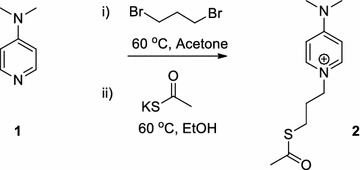
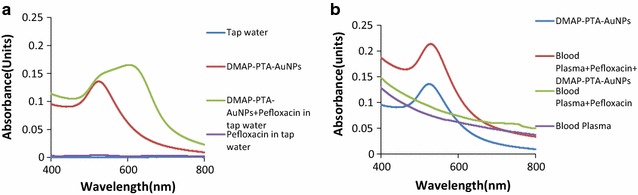
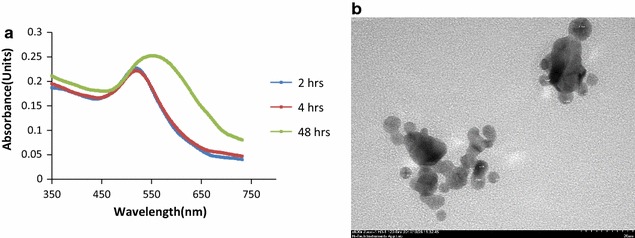
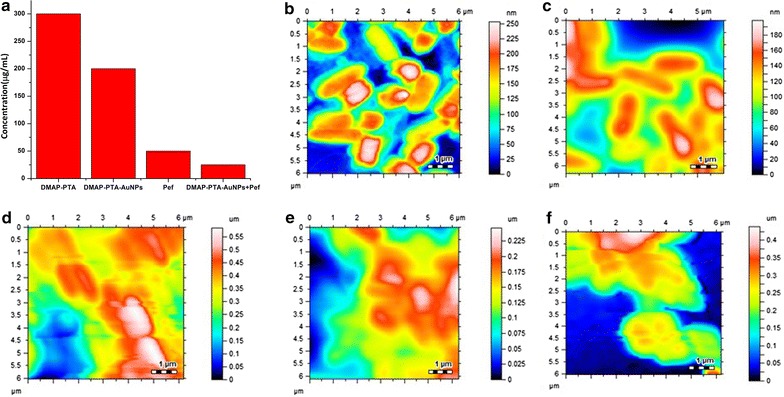
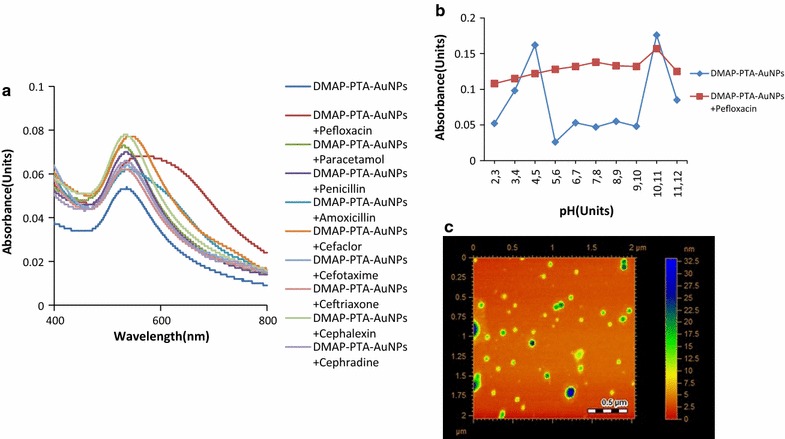
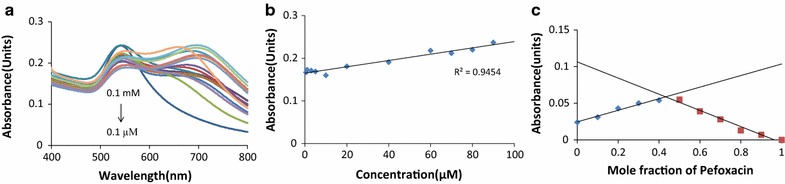
A new dimethyl aminopyridine based stabilizing agent named as DMAP-PTA was synthesized and used for stabilization of gold nanoparticles. Gold nanoparticles coated with DMAP-PTA abbreviated as DMAP-PTA-AuNPs were thoroughly characterized by UV-visible, FT-IR spectroscopic methods and transmission electron microscope before biological assay. DMAP-PTA, DMAP-PTA-AuNPs and Pefloxacin were examined for their antibacterial potential against E. coli, and the minimum inhibitory concentration (MIC) was determined to be 300, 200 and 50 µg/mL respectively. Gold nanoparticles conjugation was found to significantly enhance the antibacterial activity of DMAP-PTA as compared to pure compound. Moreover, effects of DMAP-PTA-AuNPs on the antibacterial potential of Pefloxacin was also evaluated by combination therapy of 1:1 mixture of DMAP-PTA-AuNPs and Pefloxacin against E. coli in a wide range of concentrations from 5 to 300 µg/mL. The MIC of Pefloxacin + DMAP-PTA-AuNPs mixture was found to be 25 µg/mL as compared to Pefloxacin alone (50 µg/mL), which clearly indicates that DMAP-PTA-AuNPs increased the potency of Pefloxacin. AFM analysis was also carried out to show morphological changes occur in bacteria before and after treatment of test samples. Furthermore, DMAP-PTA-AuNPs showed high selectivity towards Pefloxacin in spectrophotometric drug recognition studies which offers tremendous potential for analytical applications.
Gold nanoparticles conjugation was shown to enhance the antibacterial efficacy of DMAP-PTA ligand, while DMAP-PTA-AuNPs also induced synergistic effects on the potency of Pefloxacin against E. coli. DMAP-PTA-AuNPs were also developed as Pefloxacin probes in recognizing the drug in blood and water samples in the presence of other drugs.
金纳米粒子是药物输送应用的有用候选物,与涂层药物和/或治疗剂的生物利用度提高有关。由于杂环化合物已知对多种病原体具有抗菌潜力,我们设计了这项研究来评估与新合成的阳离子配体 4-二甲氨基吡啶丙基硫代乙酸酯 (DMAP-PTA) 结合的金纳米粒子的抗菌作用,与纯化合物和抗生素药物培氟沙星进行比较。研究了 DMAP-PTA 涂覆的金纳米粒子对粪肠球菌(ATCC 8739)的抗菌活性。
合成了一种新的二甲氨基吡啶稳定剂,命名为 DMAP-PTA,并用于稳定金纳米粒子。用 DMAP-PTA 涂覆的金纳米粒子缩写为 DMAP-PTA-AuNPs,在进行生物学测定之前,用紫外-可见分光光度法、傅里叶变换红外光谱法和透射电子显微镜进行了彻底的表征。研究了 DMAP-PTA、DMAP-PTA-AuNPs 和培氟沙星对大肠杆菌的抗菌潜力,最小抑菌浓度 (MIC) 分别为 300、200 和 50μg/mL。与纯化合物相比,金纳米粒子的结合显著增强了 DMAP-PTA 的抗菌活性。此外,还通过在 5 至 300μg/mL 的广泛浓度范围内用 DMAP-PTA-AuNPs 和培氟沙星的 1:1 混合物进行联合治疗,评估了 DMAP-PTA-AuNPs 对培氟沙星的抗菌潜力的影响。与单独使用培氟沙星(50μg/mL)相比,培氟沙星+DMAP-PTA-AuNPs 混合物的 MIC 为 25μg/mL,这清楚地表明 DMAP-PTA-AuNPs 提高了培氟沙星的效力。还进行了原子力显微镜分析,以显示在处理测试样品前后细菌的形态变化。此外,DMAP-PTA-AuNPs 在分光光度药物识别研究中对培氟沙星表现出高选择性,这为分析应用提供了巨大的潜力。
金纳米粒子的结合被证明可以增强 DMAP-PTA 配体的抗菌功效,同时 DMAP-PTA-AuNPs 还可以增强培氟沙星对大肠杆菌的效力。还将 DMAP-PTA-AuNPs 开发为在血液和水样中识别药物的培氟沙星探针,即使在存在其他药物的情况下也是如此。