Pinzón-Latorre David, Deyholos Michael K
Department of Biological Sciences, University of Alberta, Edmonton, AB T6G 2E9, Canada.
BMC Genomics. 2013 Oct 30;14:742. doi: 10.1186/1471-2164-14-742.
Pectin methylesterases (PMEs) catalyze the demethylesterification of homogalacturonans in the cell wall; their activity is regulated in part by pectin methylesterase inhibitors (PMEIs). PME activity may result in either rigidification or loosening of the cell wall, depending on the mode of demethylesterification. The activity of PMEs in the middle lamella is expected to affect intrusive elongation of phloem fibers, and their adhesion to adjacent cells. Length and extractability of phloem fibers are qualities important for their industrial uses in textiles and composites. As only three flax PMEs had been previously described, we were motivated to characterize the PME and PMEI gene families of flax.
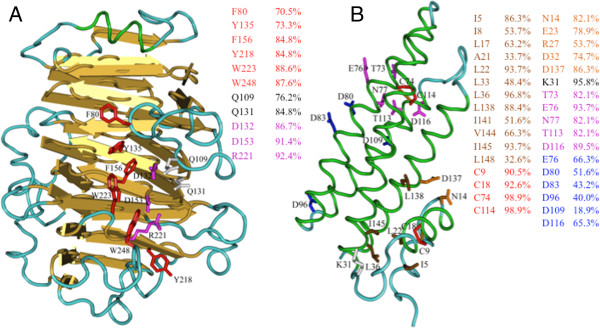
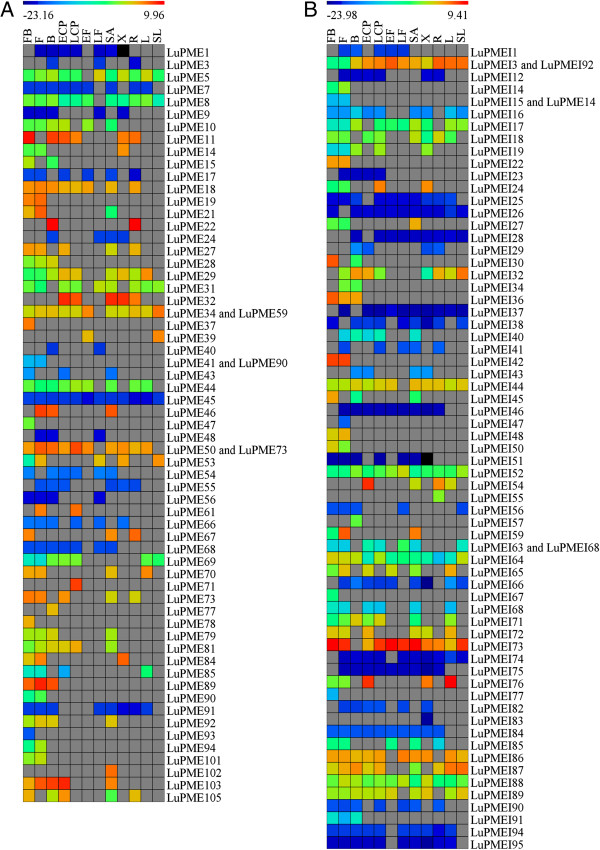
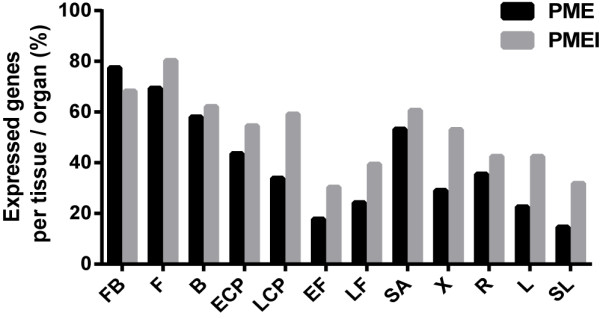
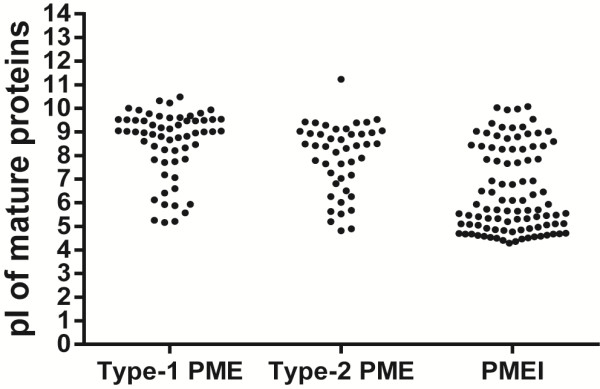
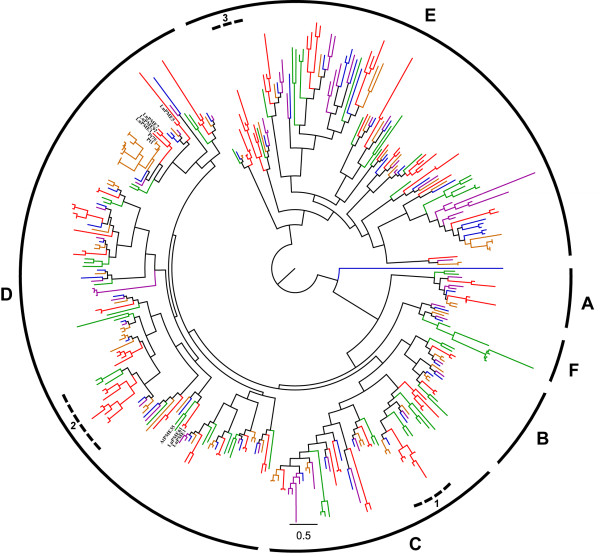
We identified 105 putative flax PMEs (LuPMEs) and 95 putative PMEIs (LuPMEIs) within the whole-genome assembly. We found experimental evidence for the transcription of 77/105 LuPMEs and 83/95 LuPMEIs, and surveyed the transcript abundance of these in 12 different tissues and stages of development. Six major monophyletic groups of LuPMEs could be defined based on the inferred relationships of flax genes and their presumed orthologs from other species. We searched the LuPMEs and LuPMEIs for conserved residues previously reported to be important for their tertiary structure and function. In the LuPMEs, the most highly conserved residues were catalytic residues while in the LuPMEIs, cysteines forming disulfude bridges between helices α2 and α3 were most highly conserved. In general, the conservation of critical residues was higher in the genes with evidence of transcript expression than in those for which no expression was detected.
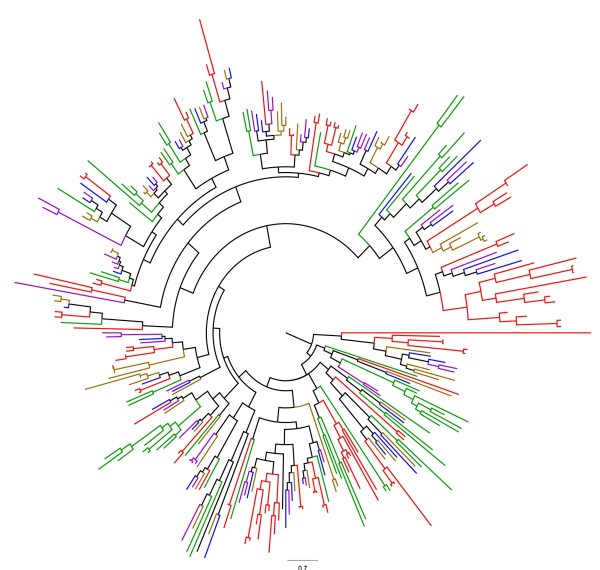
The LuPMEs and LuPMEIs comprise large families with complex patterns of transcript expression and a wide range of physical characteristics. We observed that multiple PMEs and PMEIs are expressed in partially overlapping domains, indicative of several genes acting redundantly during most processes. The potential for functional redundancy was highlighted also by the phylogenetic analyses. We were able to identify a subset of PME and PMEIs that appeared particularly relevant to fiber development, which may provide a basis for the improvement of key traits in industrial feedstocks and a better understanding of the physiological roles of PMEs and PMEIs in general.
果胶甲基酯酶(PMEs)催化细胞壁中同型半乳糖醛酸聚糖的去甲基酯化反应;其活性部分受果胶甲基酯酶抑制剂(PMEIs)调控。PME活性可能导致细胞壁变硬或松弛,这取决于去甲基酯化的方式。中胶层中PME的活性预计会影响韧皮纤维的侵入性伸长及其与相邻细胞的黏附。韧皮纤维的长度和可提取性是其在纺织和复合材料工业应用中的重要品质。由于此前仅描述了三种亚麻PME,我们有动力对亚麻的PME和PMEI基因家族进行表征。
我们在全基因组组装中鉴定出105个推定的亚麻PME(LuPMEs)和95个推定的PMEI(LuPMEIs)。我们发现了77/105个LuPMEs和83/95个LuPMEIs转录的实验证据,并调查了它们在12个不同组织和发育阶段的转录丰度。基于亚麻基因及其推测的来自其他物种的直系同源基因之间的推断关系,可以定义六个主要的LuPME单系群。我们在LuPMEs和LuPMEIs中搜索了先前报道对其三级结构和功能重要的保守残基。在LuPMEs中,最保守的残基是催化残基,而在LuPMEIs中,在α2和α3螺旋之间形成二硫键的半胱氨酸是最保守的。一般来说,有转录表达证据的基因中关键残基的保守性高于未检测到表达的基因。
LuPMEs和LuPMEIs构成了具有复杂转录表达模式和广泛物理特征的大家族。我们观察到多个PME和PMEI在部分重叠的区域表达,这表明在大多数过程中有几个基因发挥冗余作用。系统发育分析也突出了功能冗余的可能性。我们能够鉴定出一组似乎与纤维发育特别相关的PME和PMEI,这可能为改善工业原料的关键性状以及更好地理解PME和PMEI的一般生理作用提供基础。