Department of Biology and Pharmaceutical Botany, Faculty of Pharmacy, Medical University of Warsaw, Banacha 1 St., 02-097, Warsaw, Poland,
Biotechnol Lett. 2014 Mar;36(3):649-56. doi: 10.1007/s10529-013-1401-5. Epub 2013 Nov 5.
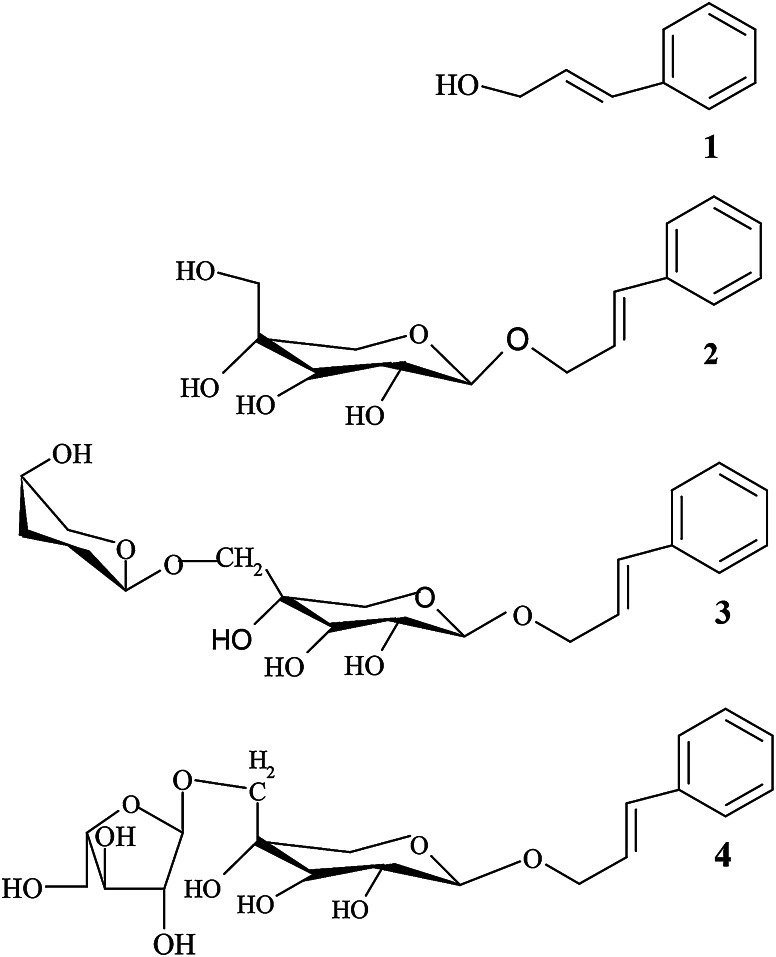
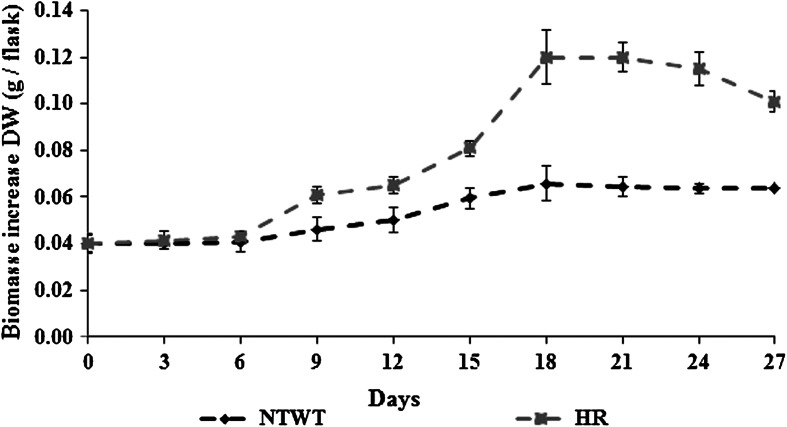
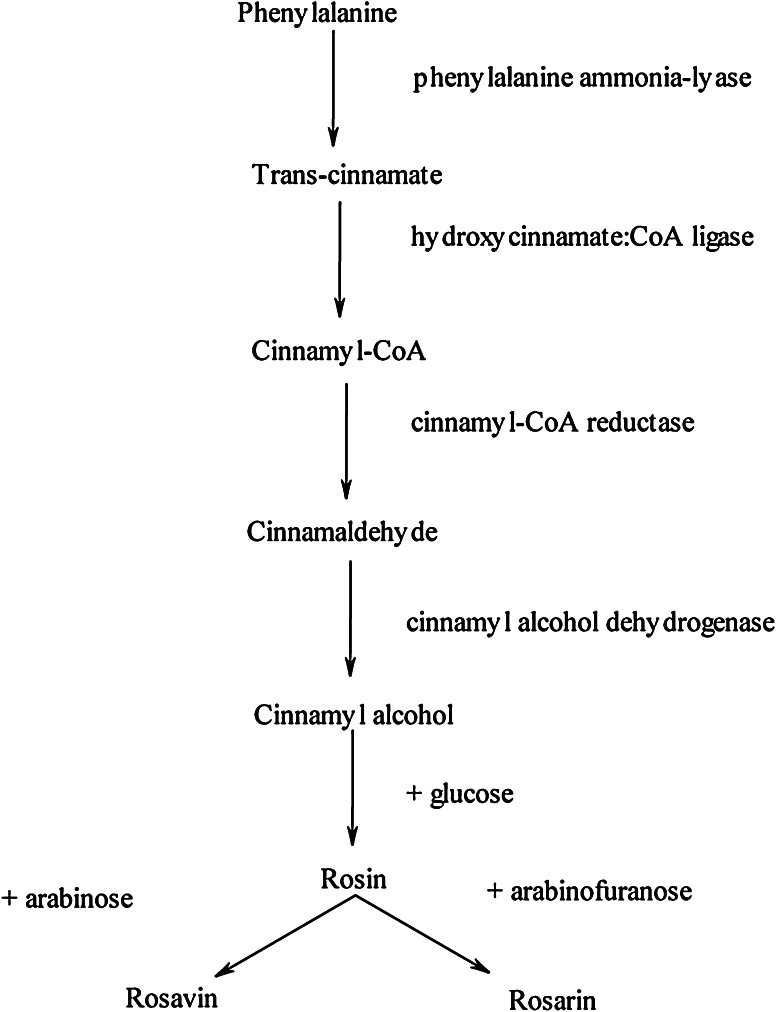
Non-transformed wild type (NTWT) and hairy root cultures of Rhodiola kirilowii were grown in medium supplemented with 2.5 mM cinnamyl alcohol as a precursor and/or sucrose (1 %) on the day of inoculation or on the 14th day of culture. Rosarin, rosavin, and rosin were produced by NTWT root culture but only rosarin and rosavin by hairy roots. Approximately 80 and 95 % of the glycosides were released into the medium for NTWT and hairy root cultures, respectively. The highest rosavin yield, 505 ± 106 mg/l, was in hairy root culture when cinnamyl alcohol was applied on the day of inoculation with the addition of sucrose on the 14th day of culture. For rosin production, supplementation with cinnamyl alcohol alone on day 14 was more favourable with the highest amount 74 ± 10 mg/l in NTWT root culture. Only traces of rosarin were detected.
将 2.5mM 肉桂醇作为前体添加到培养基中,并在接种当天或培养第 14 天添加 1%蔗糖,培养野生型(NTWT)和绒毛状根的秀丽红景天。NTWT 根培养物产生了罗莎林、罗莎文和松香,但只有绒毛状根产生了罗莎林和罗莎文。大约 80%和 95%的糖苷分别被释放到 NTWT 和绒毛状根培养物的培养基中。当肉桂醇在接种当天添加,并在培养第 14 天添加蔗糖时,绒毛状根培养物中的罗莎文产量最高,为 505±106mg/L。对于松香的生产,在第 14 天单独添加肉桂醇更为有利,NTWT 根培养物中最高含量为 74±10mg/L。仅检测到痕量的罗莎林。