Department of Orthopedics, Changhai Hospital, Second Military Medical University, Shanghai, People's Republic of China.
Int J Nanomedicine. 2013;8:4197-213. doi: 10.2147/IJN.S50685. Epub 2013 Nov 1.
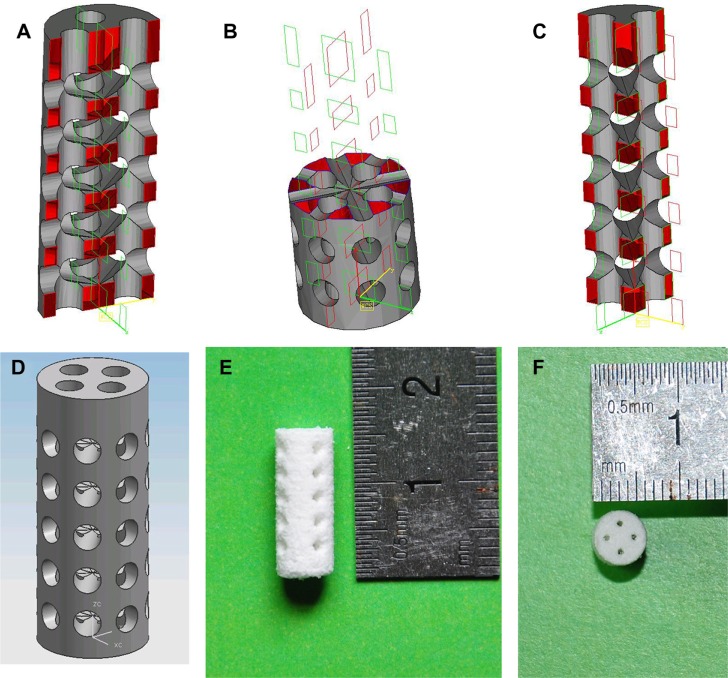
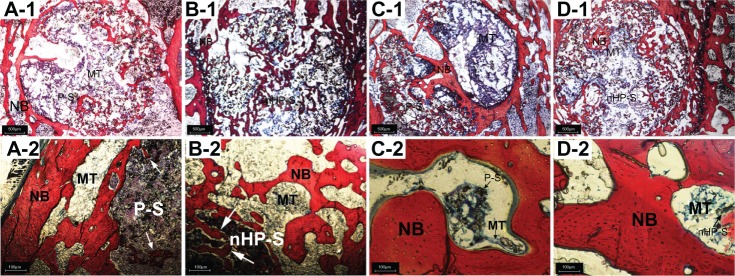
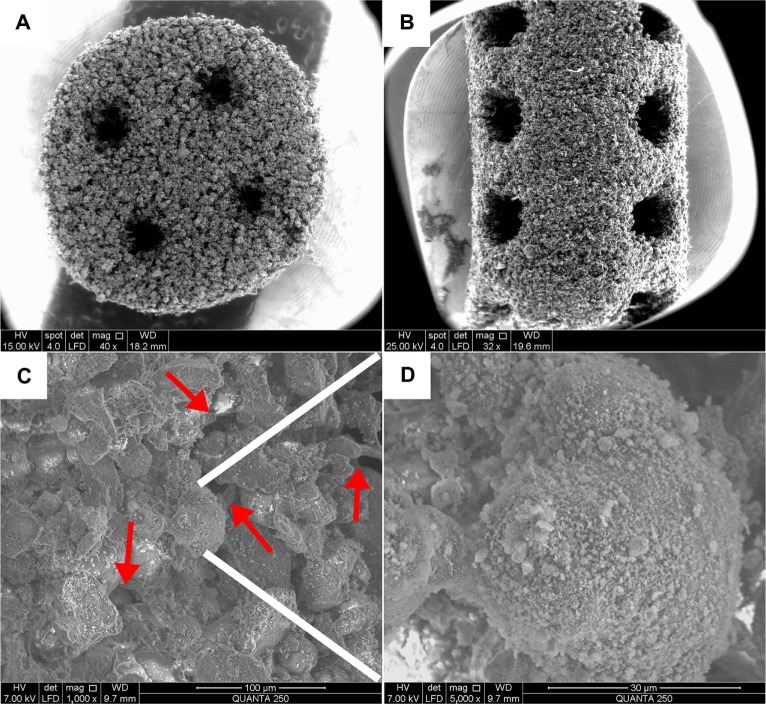
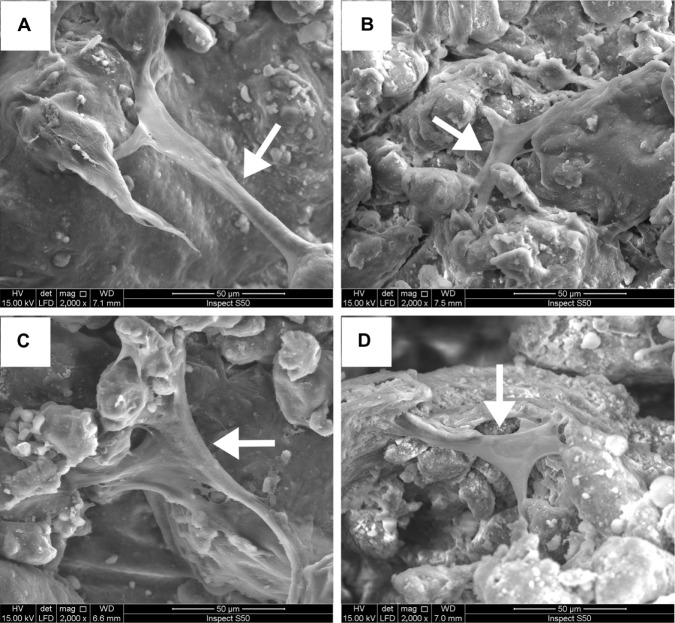
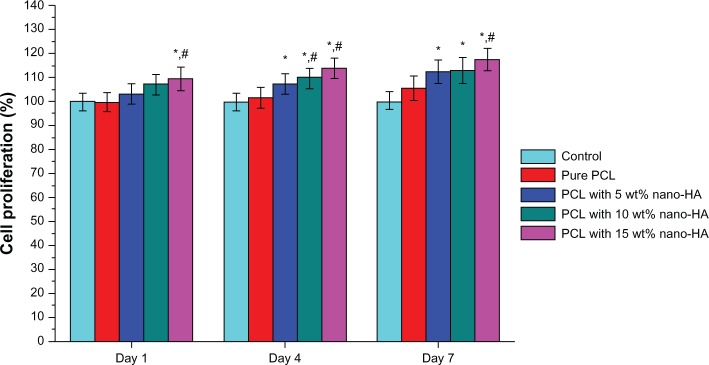
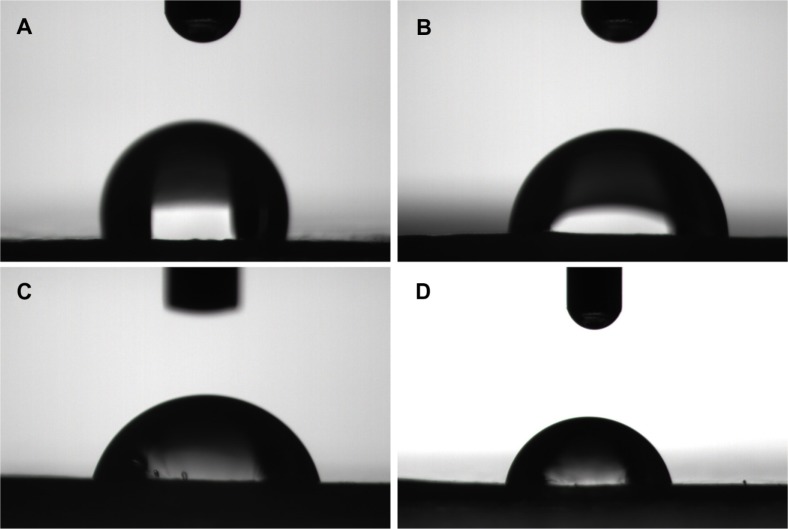
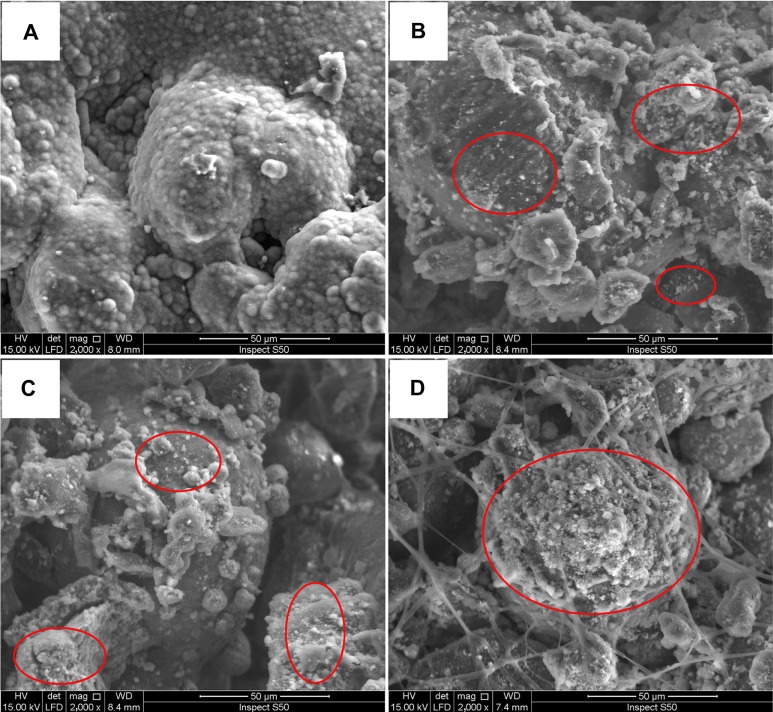
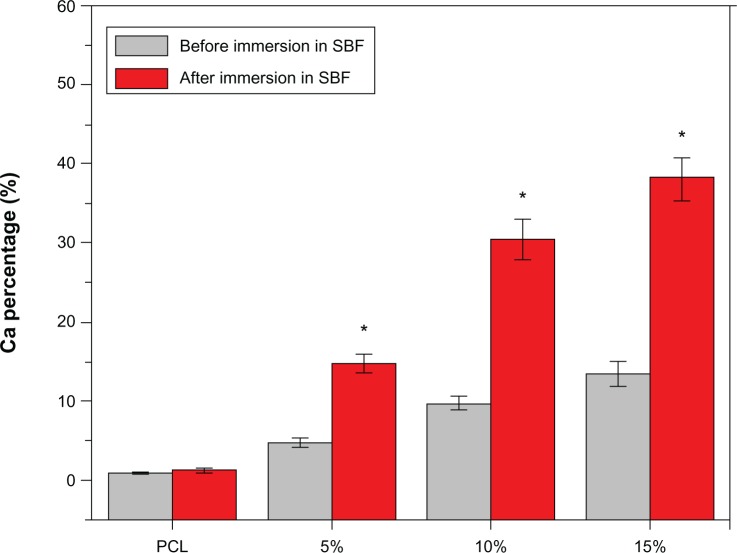
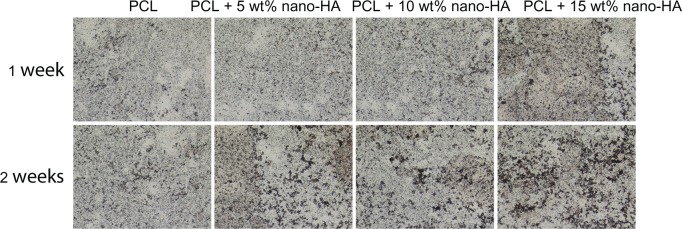
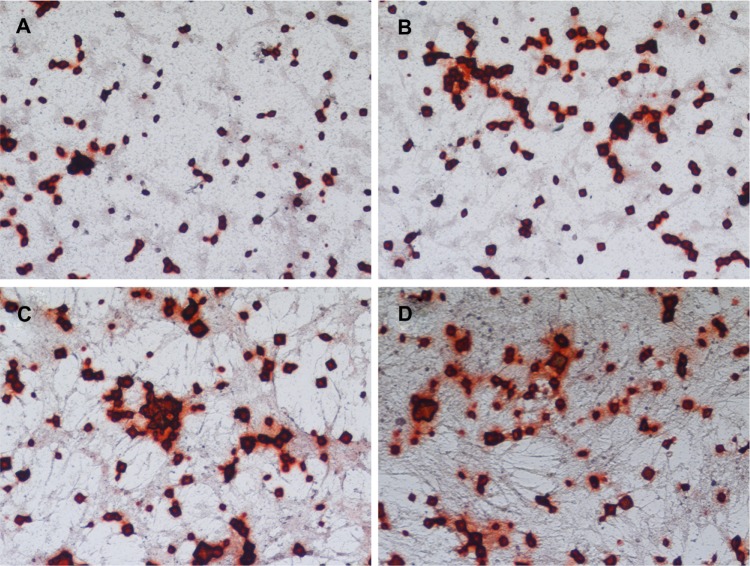
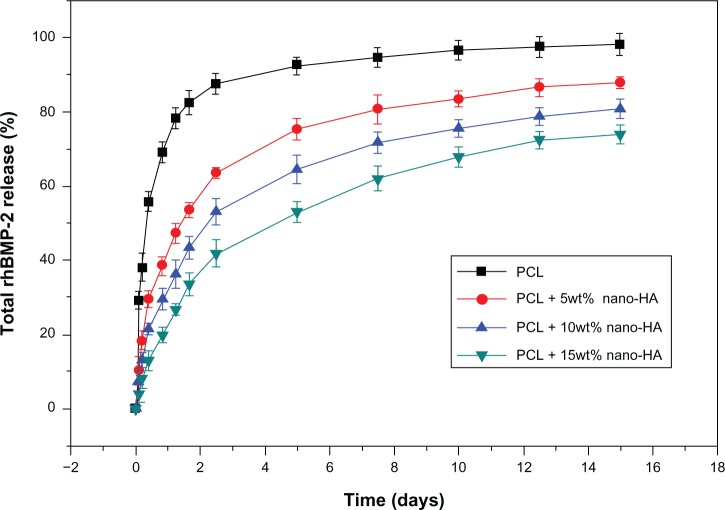
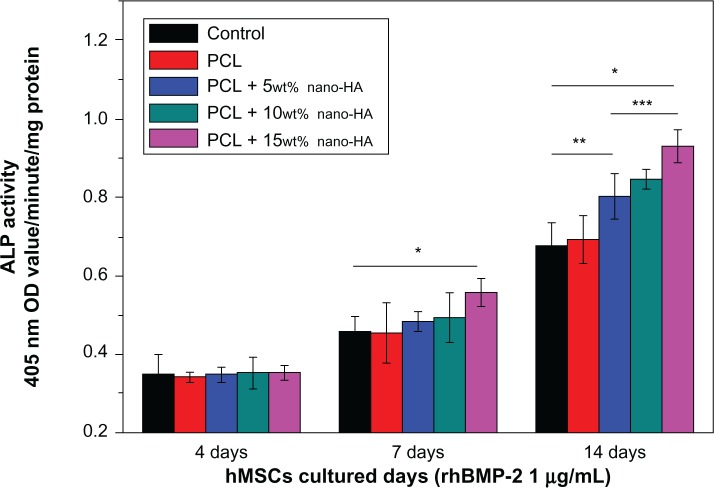
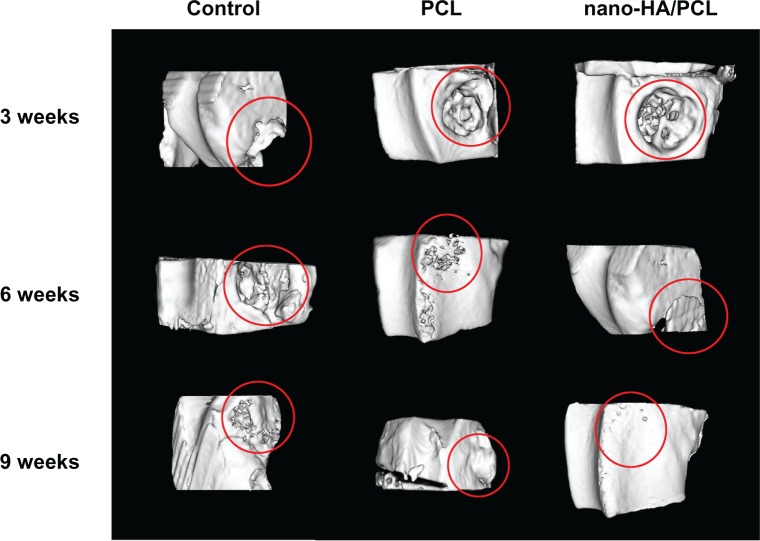
The regeneration of functional tissue in osseous defects is a formidable challenge in orthopedic surgery. In the present study, a novel biomimetic composite scaffold, here called nano-hydroxyapatite (HA)/poly-ε-caprolactone (PCL) was fabricated using a selective laser sintering technique. The macrostructure, morphology, and mechanical strength of the scaffolds were characterized. Scanning electronic microscopy (SEM) showed that the nano-HA/PCL scaffolds exhibited predesigned, well-ordered macropores and interconnected micropores. The scaffolds have a range of porosity from 78.54% to 70.31%, and a corresponding compressive strength of 1.38 MPa to 3.17 MPa. Human bone marrow stromal cells were seeded onto the nano-HA/PCL or PCL scaffolds and cultured for 28 days in vitro. As indicated by the level of cell attachment and proliferation, the nano-HA/PCL showed excellent biocompatibility, comparable to that of PCL scaffolds. The hydrophilicity, mineralization, alkaline phosphatase activity, and Alizarin Red S staining indicated that the nano-HA/PCL scaffolds are more bioactive than the PCL scaffolds in vitro. Measurements of recombinant human bone morphogenetic protein-2 (rhBMP-2) release kinetics showed that after nano-HA was added, the material increased the rate of rhBMP-2 release. To investigate the in vivo biocompatibility and osteogenesis of the composite scaffolds, both nano-HA/PCL scaffolds and PCL scaffolds were implanted in rabbit femur defects for 3, 6, and 9 weeks. The wounds were studied radiographically and histologically. The in vivo results showed that both nano-HA/PCL composite scaffolds and PCL scaffolds exhibited good biocompatibility. However, the nano-HA/PCL scaffolds enhanced the efficiency of new bone formation more than PCL scaffolds and fulfilled all the basic requirements of bone tissue engineering scaffolds. Thus, they show large potential for use in orthopedic and reconstructive surgery.
骨缺损中功能性组织的再生是骨科领域的一项艰巨挑战。在本研究中,我们使用选择性激光烧结技术制备了一种新型仿生复合支架,称为纳米羟基磷灰石(HA)/聚己内酯(PCL)。对支架的宏观结构、形貌和机械强度进行了表征。扫描电子显微镜(SEM)显示,纳米 HA/PCL 支架呈现出预定的、有序的大孔和相互连通的微孔。支架的孔隙率范围为 78.54%至 70.31%,相应的压缩强度为 1.38 MPa 至 3.17 MPa。将人骨髓基质细胞接种到纳米 HA/PCL 或 PCL 支架上,并在体外培养 28 天。根据细胞附着和增殖水平,纳米 HA/PCL 显示出优异的生物相容性,可与 PCL 支架相媲美。体外亲水性能、矿化、碱性磷酸酶活性和茜素红 S 染色表明,纳米 HA/PCL 支架比 PCL 支架更具生物活性。重组人骨形态发生蛋白-2(rhBMP-2)释放动力学的测量表明,添加纳米 HA 后,材料增加了 rhBMP-2 的释放速度。为了研究复合支架的体内生物相容性和成骨作用,将纳米 HA/PCL 支架和 PCL 支架分别植入兔股骨缺损中 3、6 和 9 周。通过影像学和组织学研究了伤口。体内结果表明,纳米 HA/PCL 复合支架和 PCL 支架均表现出良好的生物相容性。然而,纳米 HA/PCL 支架比 PCL 支架更能提高新骨形成的效率,满足了骨组织工程支架的基本要求。因此,它们在骨科和重建外科中具有很大的应用潜力。