Department of Molecular Microbiology and Institute of Biomembranes, Utrecht University, Utrecht, Netherlands.
PLoS Pathog. 2013 Oct;9(10):e1003733. doi: 10.1371/journal.ppat.1003733. Epub 2013 Oct 31.
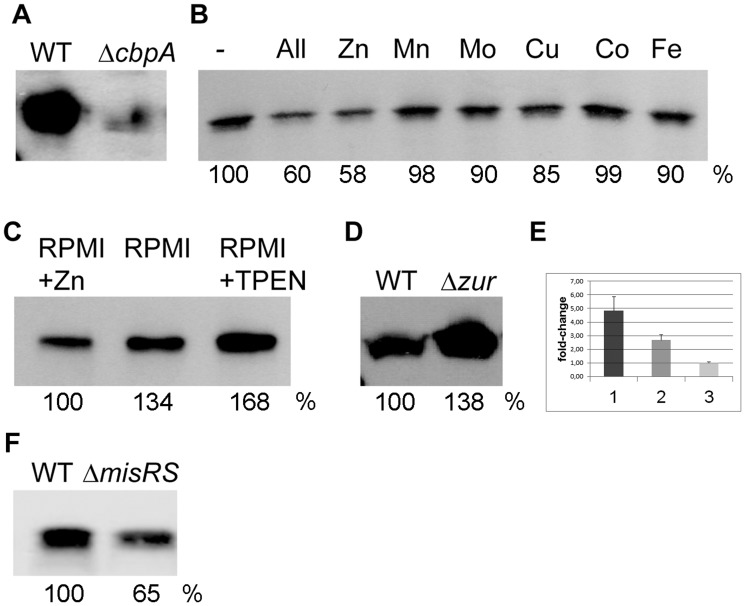
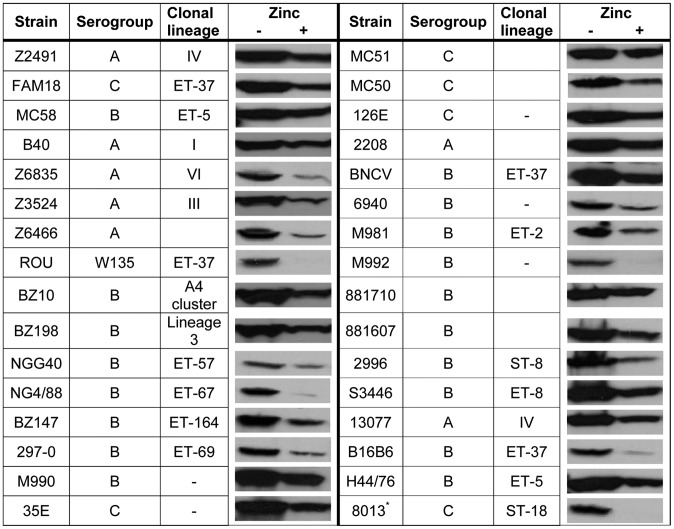
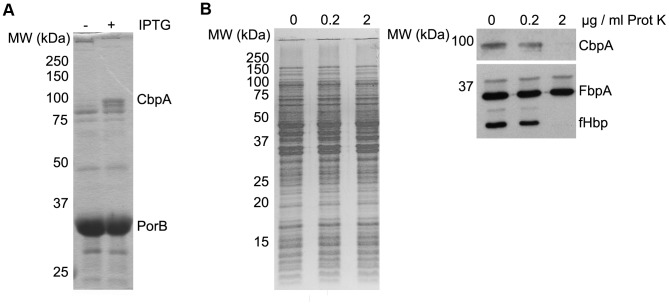
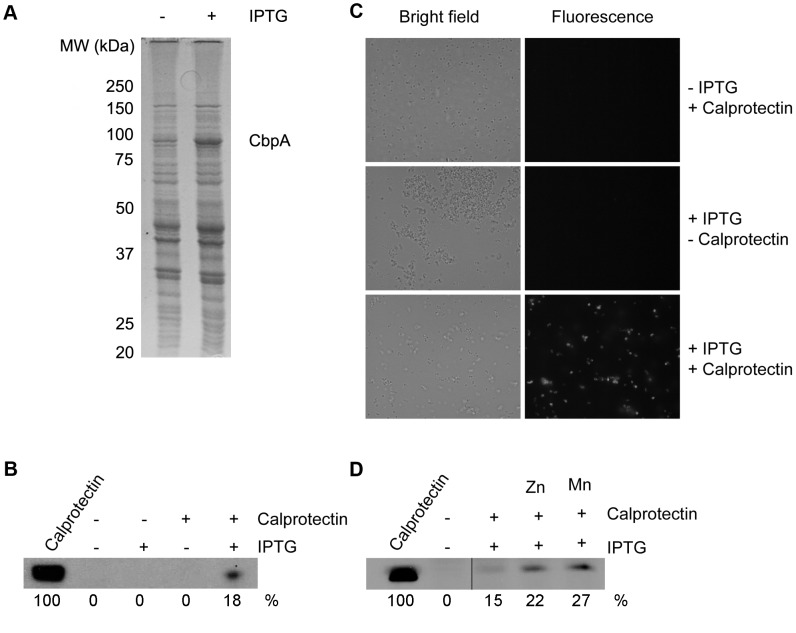
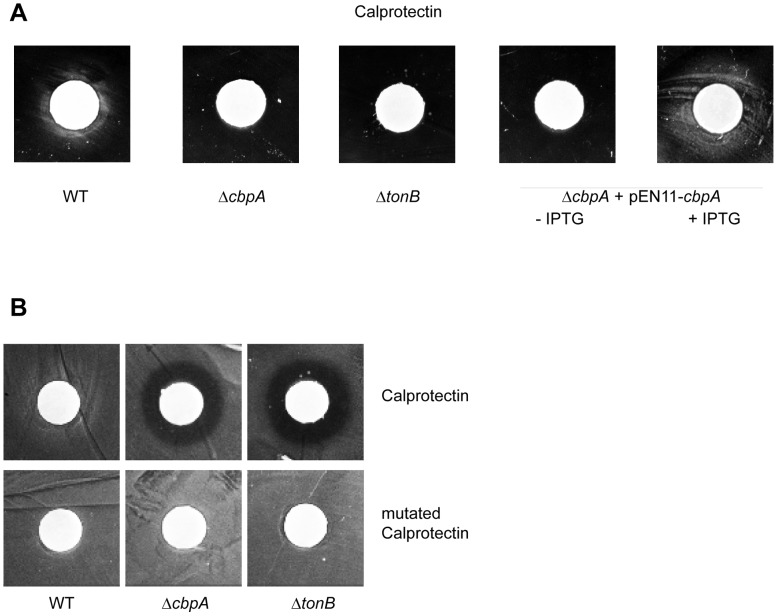
The outer membrane of Gram-negative bacteria functions as a permeability barrier that protects these bacteria against harmful compounds in the environment. Most nutrients pass the outer membrane by passive diffusion via pore-forming proteins known as porins. However, diffusion can only satisfy the growth requirements if the extracellular concentration of the nutrients is high. In the vertebrate host, the sequestration of essential nutrient metals is an important defense mechanism that limits the growth of invading pathogens, a process known as "nutritional immunity." The acquisition of scarce nutrients from the environment is mediated by receptors in the outer membrane in an energy-requiring process. Most characterized receptors are involved in the acquisition of iron. In this study, we characterized a hitherto unknown receptor from Neisseria meningitidis, a causative agent of sepsis and meningitis. Expression of this receptor, designated CbpA, is induced when the bacteria are grown under zinc limitation. We demonstrate that CbpA functions as a receptor for calprotectin, a protein that is massively produced by neutrophils and other cells and that has been shown to limit bacterial growth by chelating Zn²⁺ and Mn²⁺ ions. Expression of CbpA enables N. meningitidis to survive and propagate in the presence of calprotectin and to use calprotectin as a zinc source. Besides CbpA, also the TonB protein, which couples energy of the proton gradient across the inner membrane to receptor-mediated transport across the outer membrane, is required for the process. CbpA was found to be expressed in all N. meningitidis strains examined, consistent with a vital role for the protein when the bacteria reside in the host. Together, our results demonstrate that N. meningitidis is able to subvert an important defense mechanism of the human host and to utilize calprotectin to promote its growth.
革兰氏阴性菌的外膜作为一种通透性屏障,保护这些细菌免受环境中有害物质的侵害。大多数营养物质通过称为孔蛋白的形成孔的蛋白通过被动扩散穿过外膜。然而,如果营养物质的细胞外浓度高,扩散只能满足生长要求。在脊椎动物宿主中,必需营养金属的隔离是限制入侵病原体生长的重要防御机制,这一过程称为“营养免疫”。通过外膜中的受体在能量需求过程中从环境中获取稀缺营养物质。大多数已鉴定的受体都参与了铁的获取。在这项研究中,我们从脑膜炎奈瑟菌中鉴定了一种迄今未知的受体,脑膜炎奈瑟菌是败血症和脑膜炎的病原体。当细菌在锌限制下生长时,该受体的表达被诱导。我们证明 CbpA 作为钙保护蛋白的受体发挥作用,钙保护蛋白是中性粒细胞和其他细胞大量产生的一种蛋白质,已被证明通过螯合 Zn²⁺和 Mn²⁺离子来限制细菌生长。CbpA 的表达使脑膜炎奈瑟菌能够在钙保护素存在的情况下存活和繁殖,并将钙保护素用作锌源。除了 CbpA 之外,还需要 TonB 蛋白,该蛋白将质子梯度穿过内膜的能量与受体介导的穿过外膜的运输偶联,才能完成该过程。在所有检查的脑膜炎奈瑟菌菌株中都发现了 CbpA 的表达,这与该蛋白在细菌存在于宿主中时的重要作用一致。总之,我们的结果表明,脑膜炎奈瑟菌能够颠覆人体宿主的重要防御机制,并利用钙保护素促进其生长。