Cellular Autoimmunity Unit, Department of Clinical Sciences, Skåne University Hospital, Lund University, Malmo, Sweden ; Department of Virology, "Pedro Kouri" Tropical Medicine Institute, Havana, Cuba.
PLoS One. 2013 Nov 1;8(11):e77850. doi: 10.1371/journal.pone.0077850. eCollection 2013.
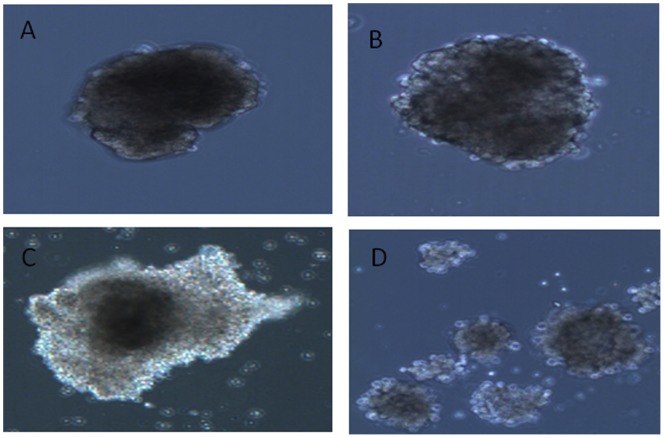
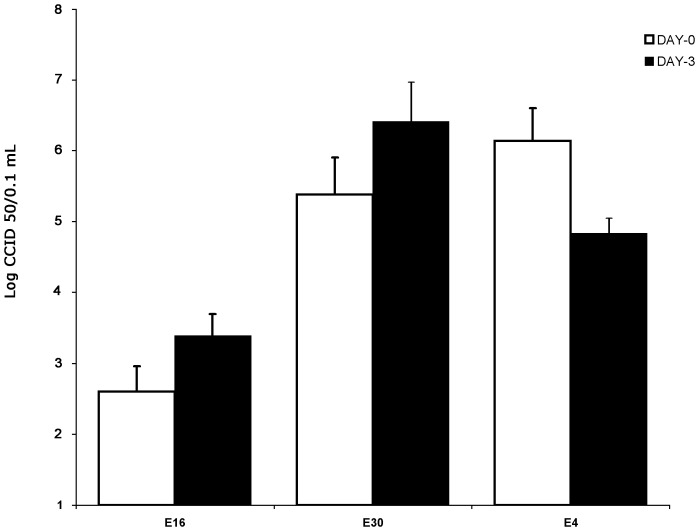
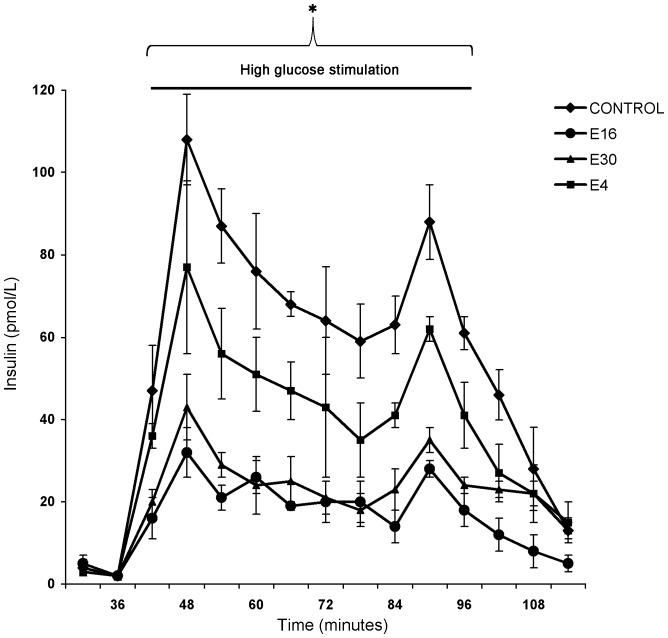
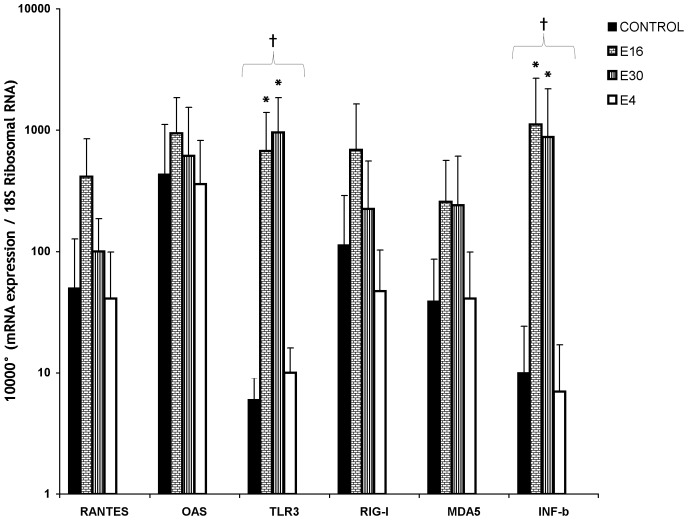
Three large-scale Echovirus (E) epidemics (E4,E16,E30), each differently associated to the acute development of diabetes related autoantibodies, have been documented in Cuba. The prevalence of islet cell autoantibodies was moderate during the E4 epidemic but high in the E16 and E30 epidemic. The aim of this study was to evaluate the effect of epidemic strains of echovirus on beta-cell lysis, beta-cell function and innate immunity gene expression in primary human pancreatic islets. Human islets from non-diabetic donors (n = 7) were infected with the virus strains E4, E16 and E30, all isolated from patients with aseptic meningitis who seroconverted to islet cell antibody positivity. Viral replication, degree of cytolysis, insulin release in response to high glucose as well as mRNA expression of innate immunity genes (IFN-b, RANTES, RIG-I, MDA5, TLR3 and OAS) were measured. The strains of E16 and E30 did replicate well in all islets examined, resulting in marked cytotoxic effects. E4 did not cause any effects on cell lysis, however it was able to replicate in 2 out of 7 islet donors. Beta-cell function was hampered in all infected islets (P<0.05); however the effect of E16 and E30 on insulin secretion appeared to be higher than the strain of E4. TLR3 and IFN-beta mRNA expression increased significantly following infection with E16 and E30 (P<0.033 and P<0.039 respectively). In contrast, the expression of none of the innate immunity genes studied was altered in E4-infected islets. These findings suggest that the extent of the epidemic-associated islet autoimmunity may depend on the ability of the viral strains to damage islet cells and induce pro-inflammatory innate immune responses within the infected islets.
在古巴,已经记录了三次大规模的肠病毒(E)流行(E4、E16、E30),每次流行都与糖尿病相关自身抗体的急性发展有关。在 E4 流行期间,胰岛细胞自身抗体的流行率适中,但在 E16 和 E30 流行期间较高。本研究的目的是评估肠病毒流行株对原代人胰腺胰岛细胞β细胞溶解、β细胞功能和固有免疫基因表达的影响。从非糖尿病供体(n=7)中分离出人胰岛,用病毒株 E4、E16 和 E30 感染,所有病毒株均从无菌性脑膜炎患者中分离,这些患者血清转化为胰岛细胞抗体阳性。测量病毒复制、细胞溶解程度、高葡萄糖刺激下的胰岛素释放以及固有免疫基因(IFN-b、RANTES、RIG-I、MDA5、TLR3 和 OAS)的 mRNA 表达。E16 和 E30 株在所有检查的胰岛中均能很好地复制,导致明显的细胞毒性作用。E4 对细胞溶解没有任何影响,但能够在 7 名供体中的 2 名胰岛中复制。所有感染的胰岛β细胞功能均受损(P<0.05);然而,E16 和 E30 对胰岛素分泌的影响似乎高于 E4 株。E16 和 E30 感染后,TLR3 和 IFN-β mRNA 表达显著增加(分别为 P<0.033 和 P<0.039)。相比之下,E4 感染的胰岛中没有改变研究的固有免疫基因中的任何一个的表达。这些发现表明,与流行相关的胰岛自身免疫的程度可能取决于病毒株损伤胰岛细胞的能力以及在感染的胰岛中诱导促炎固有免疫反应的能力。