Committee on Immunology, University of Chicago, Chicago, IL 60637, USA; Department of Biochemistry and Molecular Biology, University of Chicago, Chicago, IL 60637, USA.
Department of Biochemistry and Molecular Biology, University of Chicago, Chicago, IL 60637, USA.
Immunity. 2013 Dec 12;39(6):1032-42. doi: 10.1016/j.immuni.2013.11.001. Epub 2013 Nov 14.
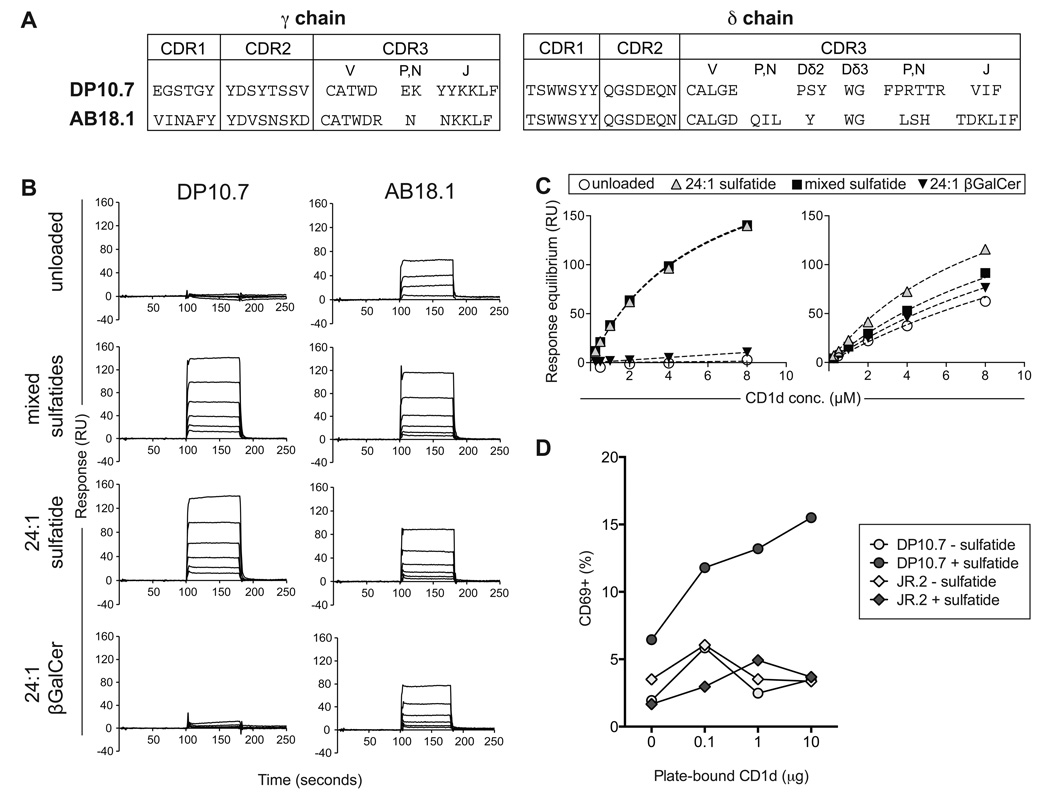
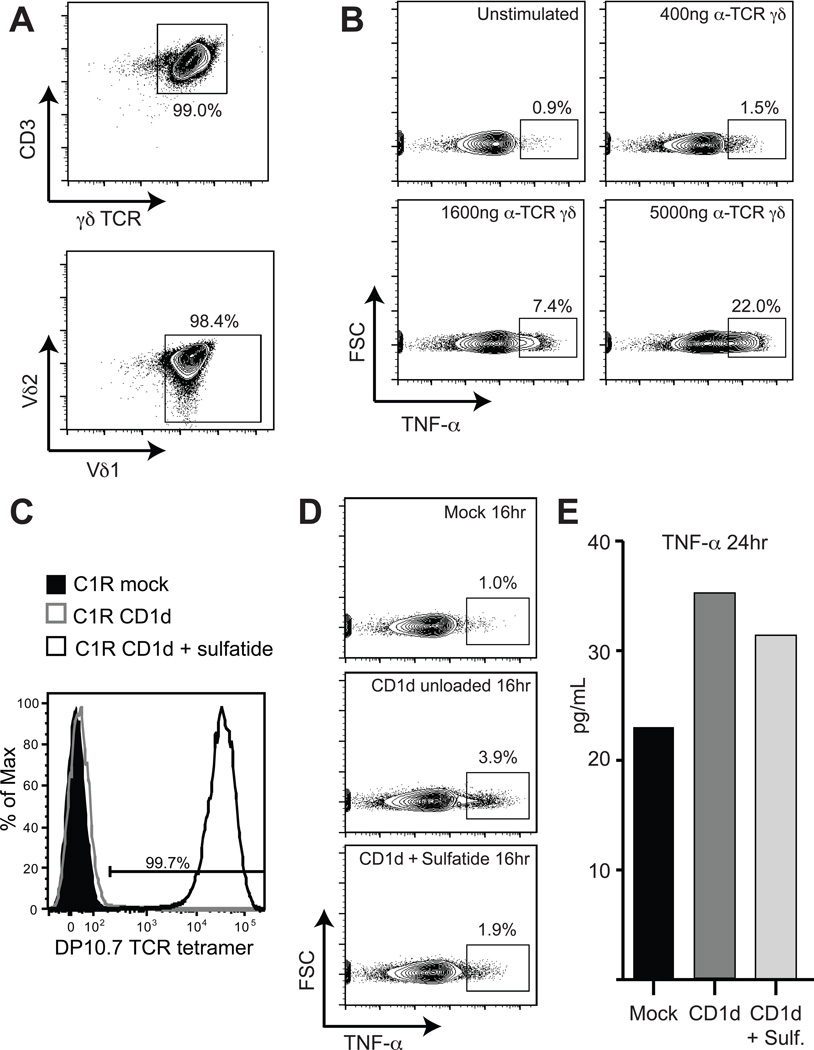
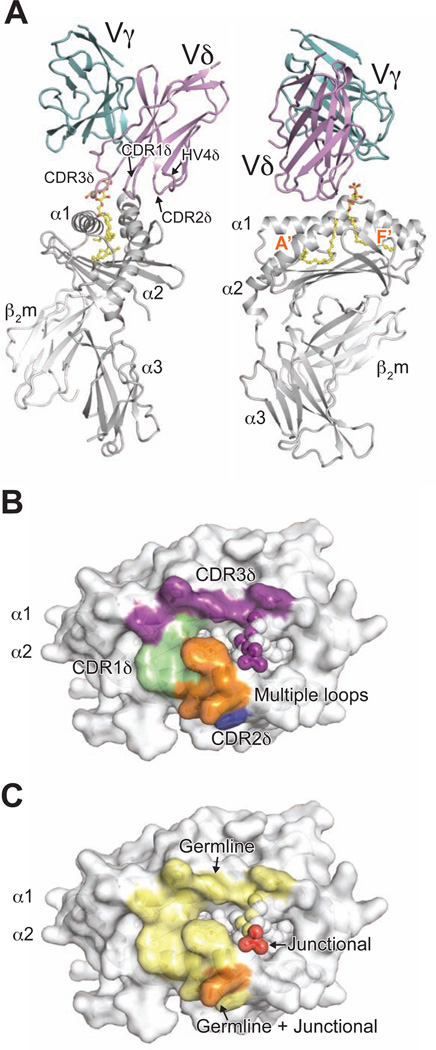
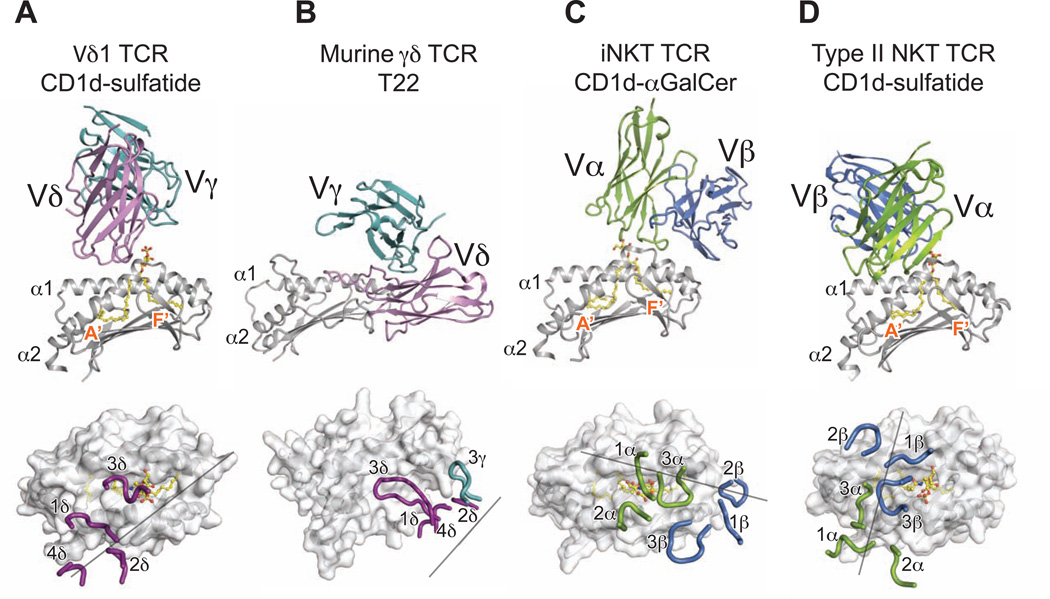
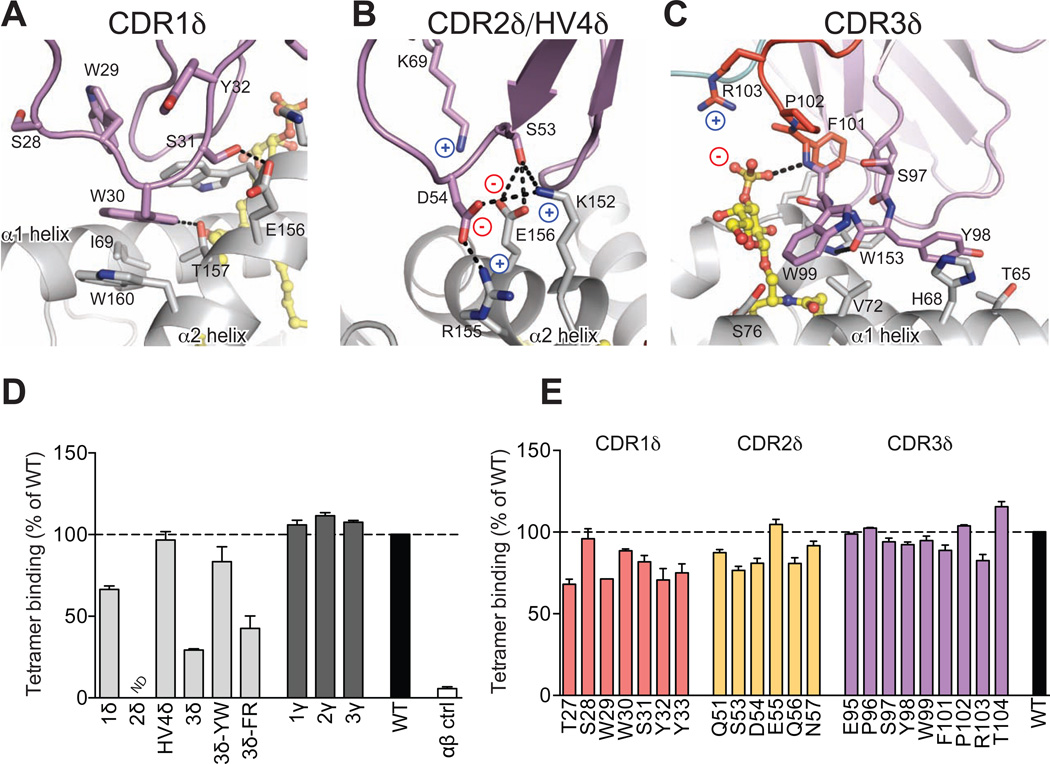
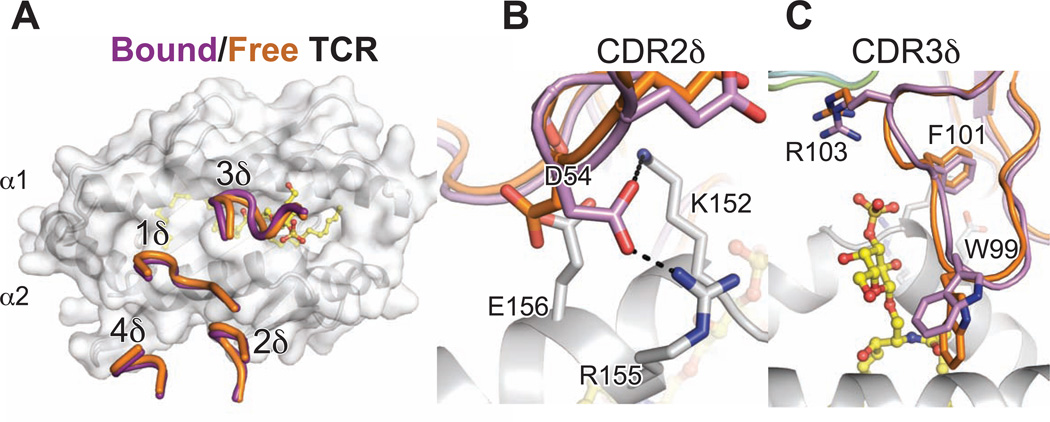
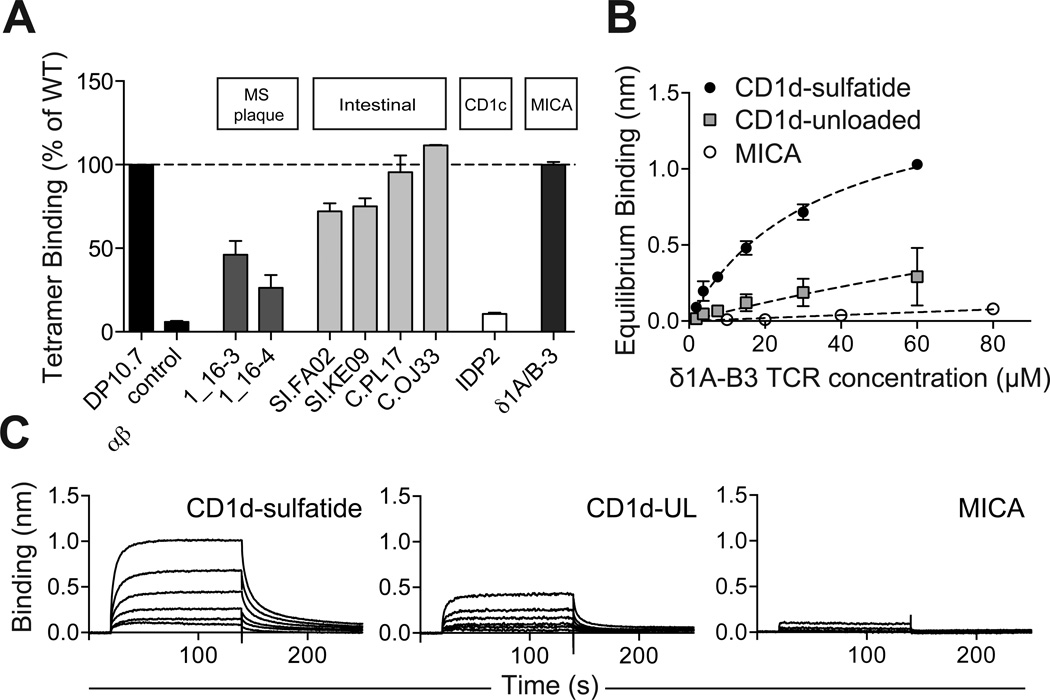
The nature of the antigens recognized by γδ T cells and their potential recognition of major histocompatibility complex (MHC)-like molecules has remained unclear. Members of the CD1 family of lipid-presenting molecules are suggested ligands for Vδ1 TCR-expressing γδ T cells, the major γδ lymphocyte population in epithelial tissues. We crystallized a Vδ1 TCR in complex with CD1d and the self-lipid sulfatide, revealing the unusual recognition of CD1d by germline Vδ1 residues spanning all complementarity-determining region (CDR) loops, as well as sulfatide recognition separately encoded by nongermline CDR3δ residues. Binding and functional analysis showed that CD1d presenting self-lipids, including sulfatide, was widely recognized by gut Vδ1+ γδ T cells. These findings provide structural demonstration of MHC-like recognition of a self-lipid by γδ T cells and reveal the prevalence of lipid recognition by innate-like T cell populations.
γδ T 细胞所识别的抗原的性质及其对主要组织相容性复合体 (MHC) 样分子的潜在识别一直不清楚。CD1 家族的脂质呈递分子被认为是 Vδ1 TCR 表达的 γδ T 细胞的配体,Vδ1 TCR 是上皮组织中主要的 γδ 淋巴细胞群体。我们将 Vδ1 TCR 与 CD1d 和自身脂质硫酸脑苷脂结晶,揭示了胚系 Vδ1 残基跨越所有互补决定区 (CDR) 环对 CD1d 的异常识别,以及非胚系 CDR3δ 残基分别编码的硫酸脑苷脂识别。结合和功能分析表明,包括硫酸脑苷脂在内的 CD1d 呈递自身脂质被肠道 Vδ1+γδ T 细胞广泛识别。这些发现为 γδ T 细胞对自身脂质的 MHC 样识别提供了结构证据,并揭示了先天样 T 细胞群体对脂质识别的普遍性。