Fehresti Sani Mohammad, Montasser Kouhsari Shideh, Moradabadi Leila
Department of Cellular and Molecular Biology, School of Biology, University College of Sciences, University of Tehran,Tehran, Iran.
Iran J Pharm Res. 2012 Summer;11(3):897-903.
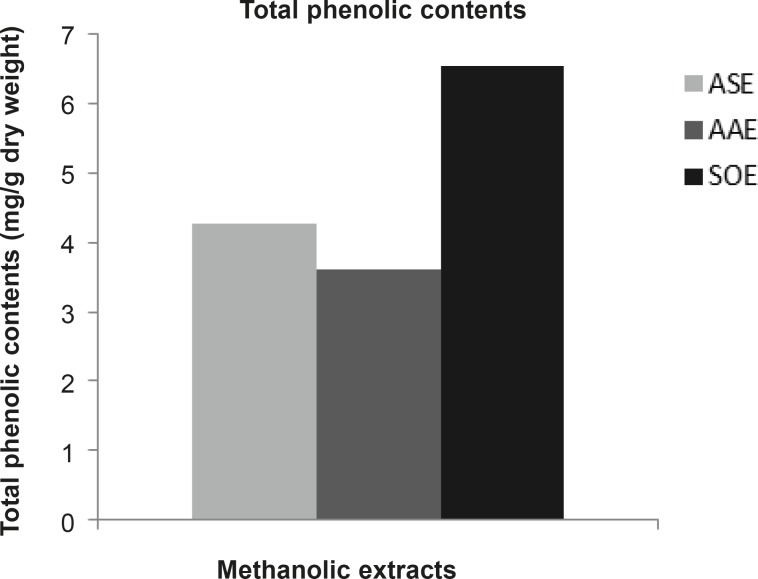
In the present study we aimed to evaluate the effects of methanolic extracts of the bulbs of Garlic (Allium sativum L., Alliaceae) and Persian shallot (Allium ascalonicum L., Alliaceae ) and leaves of Sage (Salvia officinalis L., Lamiaceae ), ASE, AAE and SOE respectively, on the antioxidant enzymes such as superoxide dismutase (SOD), glutathione peroxidase (GPX) and catalase (CAT) activities and on the levels of plasma lipids profiles such as triglycerides (TG), total cholesterol (TC), high-density lipoproteins (HDL), low-density lipoproteins (LDL) and very low-density lipoproteins (VLDL) in Alloxan diabetic Wistar rats. In comparison with diabetic control rats in diabetic treated rats, AAE increases the activities of SOD (65%), GPX (43%) and CAT (55%). ASE and SOE increase SOD activity by 60% and 33% respectively. ASE reduces TC (34%), SOE decreases TG (40%) and LDL (30%) and AAE reduces VLDL (24%). Metformin exhibits mild antioxidant and hypolipidemic properties. Results of quantitative phytochemical analysis show that the methanolic garlic and Persian shallot bulbs extracts contain secondary metabolites including alkaloids (3.490% and 3.430%), glycosides (18.023% and 13.301%) and saponins (0.812% and 0.752%). Methanolic sage leaves extract contains flavonoids (1.014%), glycosides (23.142%) and saponins (2.096%). The total phenolic contents of ASE, AAE and SOE were in order 4.273, 3.621 and 6.548 mg GAE/g dry weight (DW). These results suggest that Allium sativum, Allium ascalonicum and Salvia officinalis are beneficial in the control of diabetes by noticeable antioxidant and hypolipidemic properties.
在本研究中,我们旨在评估大蒜(葱属植物蒜,葱科)、波斯葱(葱属植物葱,葱科)的鳞茎以及鼠尾草(鼠尾草属植物鼠尾草,唇形科)的叶的甲醇提取物(分别为ASE、AAE和SOE)对四氧嘧啶糖尿病Wistar大鼠体内抗氧化酶如超氧化物歧化酶(SOD)、谷胱甘肽过氧化物酶(GPX)和过氧化氢酶(CAT)活性的影响,以及对血浆脂质谱水平如甘油三酯(TG)、总胆固醇(TC)、高密度脂蛋白(HDL)、低密度脂蛋白(LDL)和极低密度脂蛋白(VLDL)的影响。与糖尿病对照大鼠相比,糖尿病治疗大鼠中的AAE使SOD活性增加65%、GPX活性增加43%、CAT活性增加55%。ASE和SOE分别使SOD活性增加60%和33%。ASE使TC降低34%,SOE使TG降低40%、LDL降低30%,AAE使VLDL降低24%。二甲双胍具有轻度的抗氧化和降血脂特性。定量植物化学分析结果表明,大蒜和波斯葱鳞茎的甲醇提取物含有次生代谢产物,包括生物碱(3.490%和3.430%)、糖苷(18.023%和13.301%)和皂苷(0.812%和0.752%)。鼠尾草叶的甲醇提取物含有黄酮类化合物(1.014%)、糖苷(23.142%)和皂苷(2.096%)。ASE、AAE和SOE的总酚含量依次为4.273、3.621和6.548 mg GAE/g干重(DW)。这些结果表明,大蒜、波斯葱和鼠尾草通过显著的抗氧化和降血脂特性,对糖尿病控制有益。