Xu Xiao-Fang, Zhang Tao-Li, Jin Song, Wang Rong, Xiao Xin, Zhang Wei-Dong, Wang Peng-Yuan, Wang Xiao-Juan
Department of Pharmaceutical Preparation, School of Stomatology, The Fourth Military Medical University, 145 Chang Le Xi Road, Xi'an, Shaanxi Province 710032, China.
BMC Complement Altern Med. 2013 Nov 21;13:322. doi: 10.1186/1472-6882-13-322.
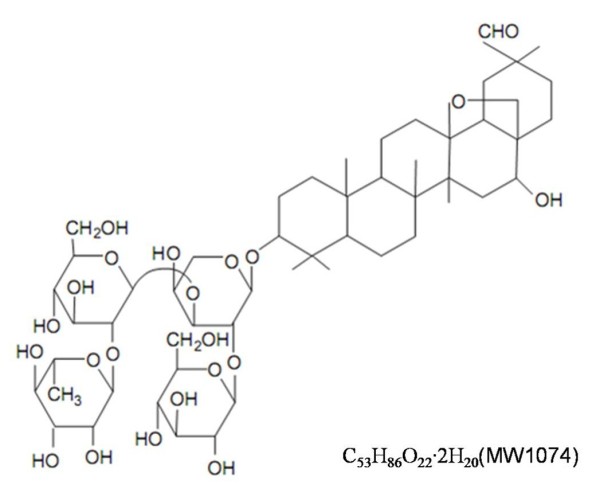
Ardisia pusilla A. DC., family Myrsinaceae, is a traditional Chinese medicine named Jiu Jie Long with a variety of pharmacological functions including anti-cancer activities. In this study, we purified a natural triterpenoid saponin, ardipusilloside I, from Ardisia pusilla, and show that it exhibits inhibitory activities in human mucoepidermoid carcinoma Mc3 cells. We also investigated the underlying mechanisms of proliferation inhibition that ardipusilloside I exerts on Mc3 cells.
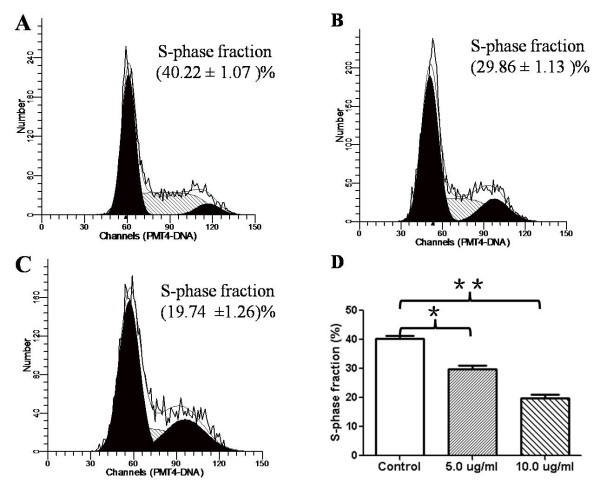
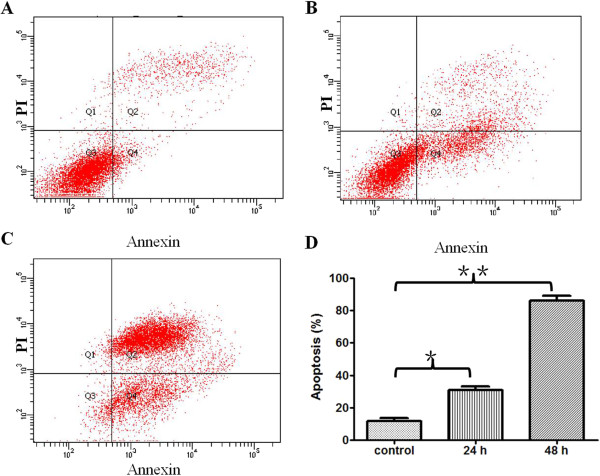
MTT test was used to detect cell proliferation. Cell apoptosis was detected by transmission electron microscopy, Hoechst-33342 staining, DNA fragmentation detection, and flow cytometry. We also used western blot analysis to detect the potential mechanisms of apoptosis.
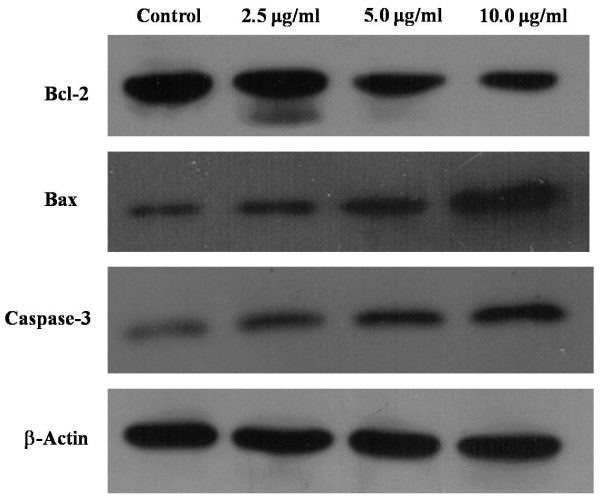
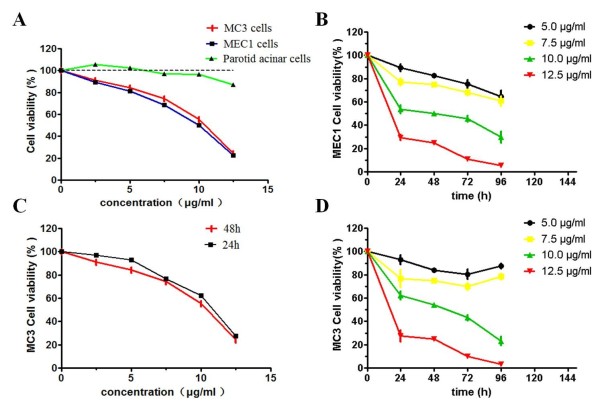
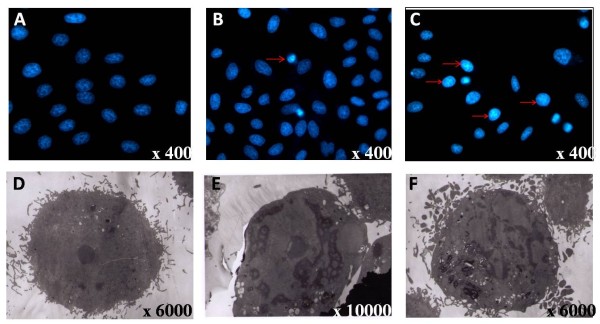
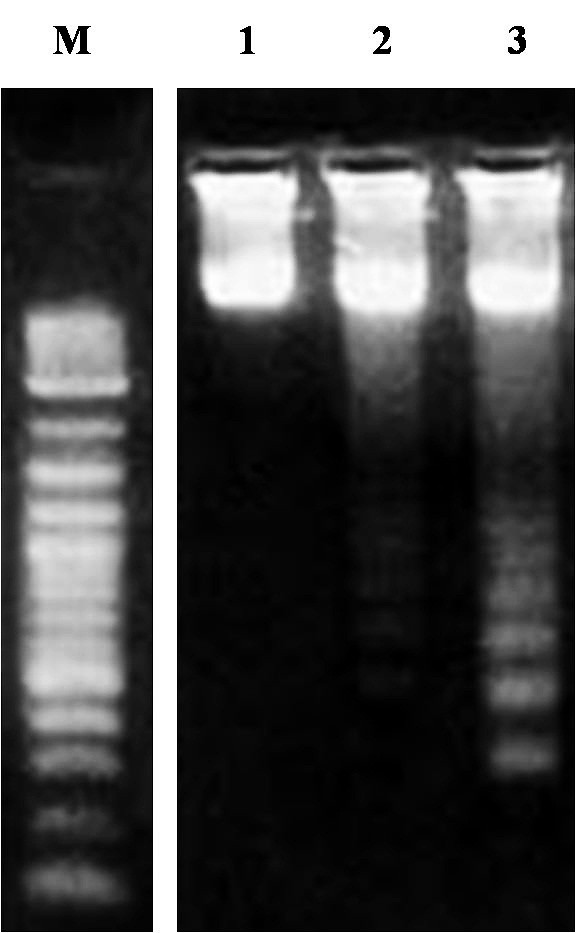
Ardipusilloside I affected the viability of Mc3 cells in a dose- and time-dependent manner. The IC50 of ardipusilloside I was approximately 9.98 μg/ml at 48 h of treatment. Characteristic morphological changes of apoptosis, including nuclear condensation, boundary aggregation and splitting, and DNA fragmentation, were seen after treatment with 10 μg/ml ardipusilloside I for 48 h. Western blots demonstrated that ardipusilloside I caused Mc3 cell death through the induction of apoptosis by downregulation of Bcl-2 protein levels and upregulation of Bax and caspase-3 protein levels.
Our results revealed that ardipusilloside I could be a new active substance for mucoepidermoid carcinoma treatment. We demonstrated that the potential mechanism of inhibition might be through the induction of apoptosis by regulation of Bcl-2 family protein levels. This suggests a further rationale for the development of ardipusilloside I as an anti-cancer agent.
紫金牛科植物小紫金牛是一种名为九节龙的传统中药,具有多种药理功能,包括抗癌活性。在本研究中,我们从小紫金牛中纯化出一种天然三萜皂苷——小紫金牛皂苷I,并表明其对人黏液表皮样癌Mc3细胞具有抑制活性。我们还研究了小紫金牛皂苷I对Mc3细胞增殖抑制的潜在机制。
采用MTT试验检测细胞增殖。通过透射电子显微镜、Hoechst-33342染色、DNA片段化检测和流式细胞术检测细胞凋亡。我们还使用蛋白质免疫印迹分析来检测凋亡的潜在机制。
小紫金牛皂苷I以剂量和时间依赖性方式影响Mc3细胞的活力。在处理48小时时,小紫金牛皂苷I的IC50约为9.98μg/ml。用10μg/ml小紫金牛皂苷I处理48小时后,观察到凋亡的特征性形态变化,包括核浓缩、边界聚集和分裂以及DNA片段化。蛋白质免疫印迹表明,小紫金牛皂苷I通过下调Bcl-2蛋白水平和上调Bax和caspase-3蛋白水平诱导凋亡,从而导致Mc3细胞死亡。
我们的结果表明,小紫金牛皂苷I可能是治疗黏液表皮样癌的一种新的活性物质。我们证明其抑制的潜在机制可能是通过调节Bcl-2家族蛋白水平诱导凋亡。这为将小紫金牛皂苷I开发为抗癌药物提供了进一步的理论依据。