Division of Gastroenterology and Liver Diseases, USC Research Center for Liver Diseases, Los Angeles, CA 90033, USA; Southern California Research Center for Alcoholic Liver and Pancreatic Diseases and Cirrhosis, Keck School of Medicine, University of Southern California, Los Angeles, CA 90033, USA.
Division of Gastroenterology and Liver Diseases, USC Research Center for Liver Diseases, Los Angeles, CA 90033, USA; Department of Genetics, Faculty of Science and Technology, University of the Basque Country, Leioa, Bilbao, Spain.
Free Radic Biol Med. 2014 Mar;68:148-58. doi: 10.1016/j.freeradbiomed.2013.11.018. Epub 2013 Dec 1.
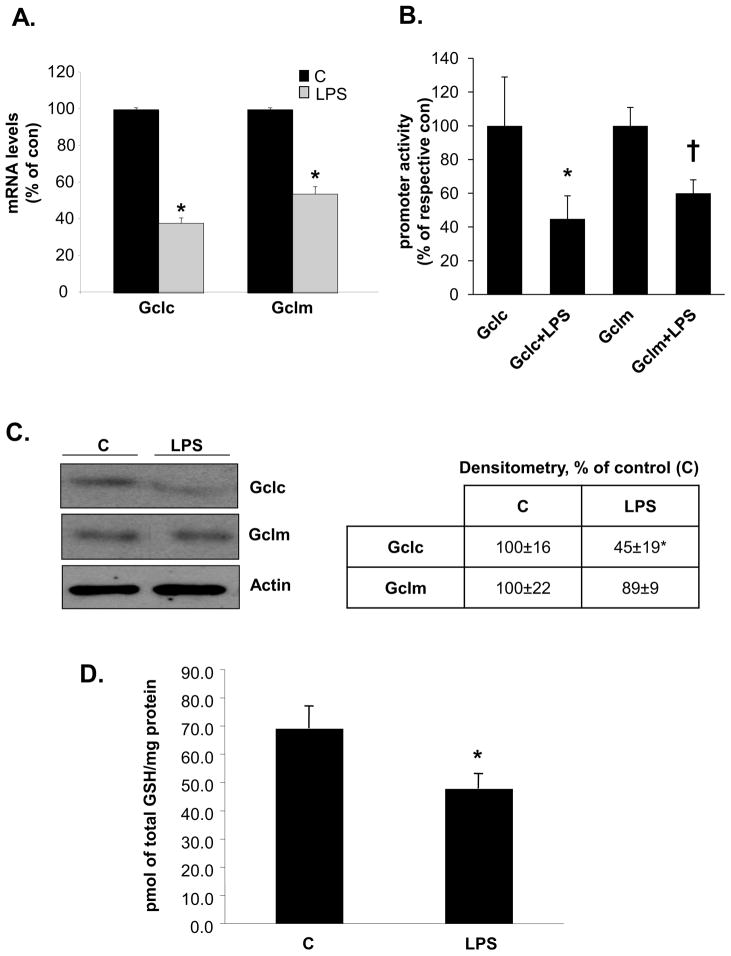
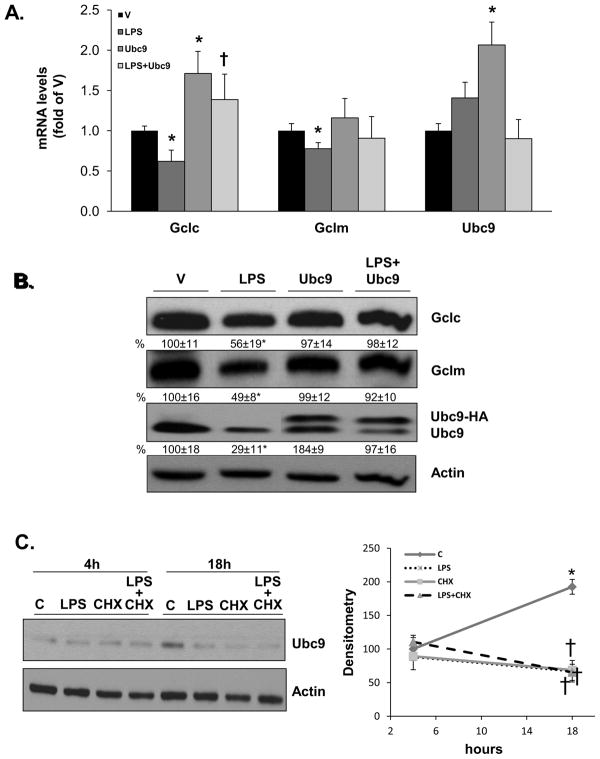
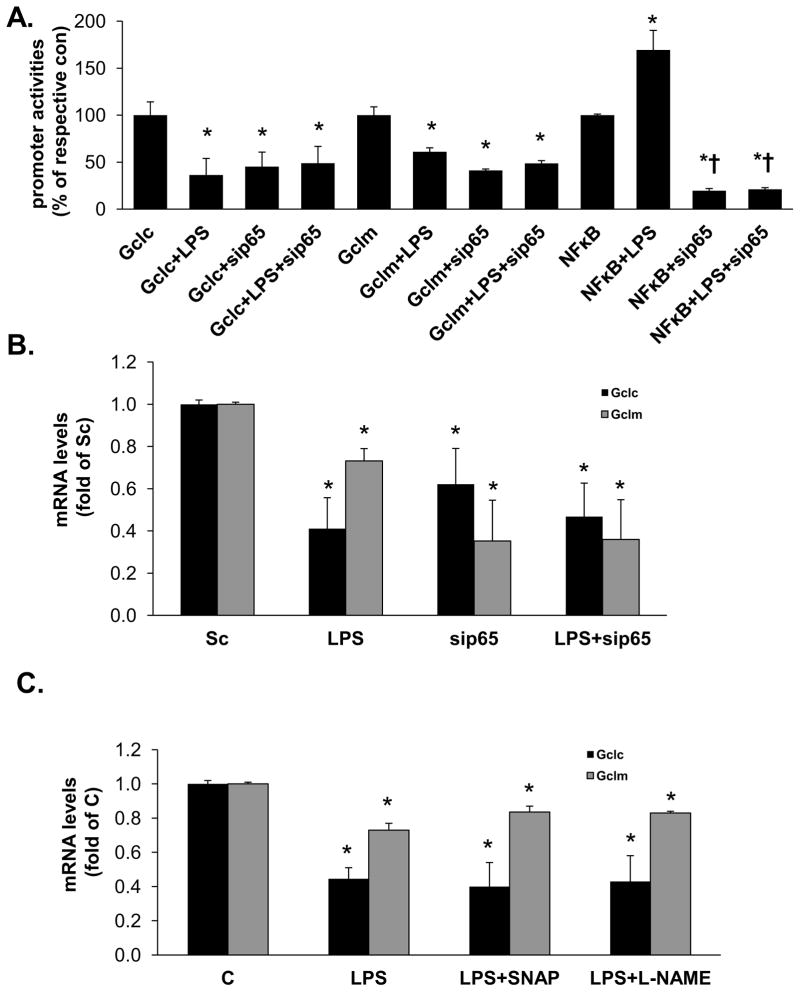
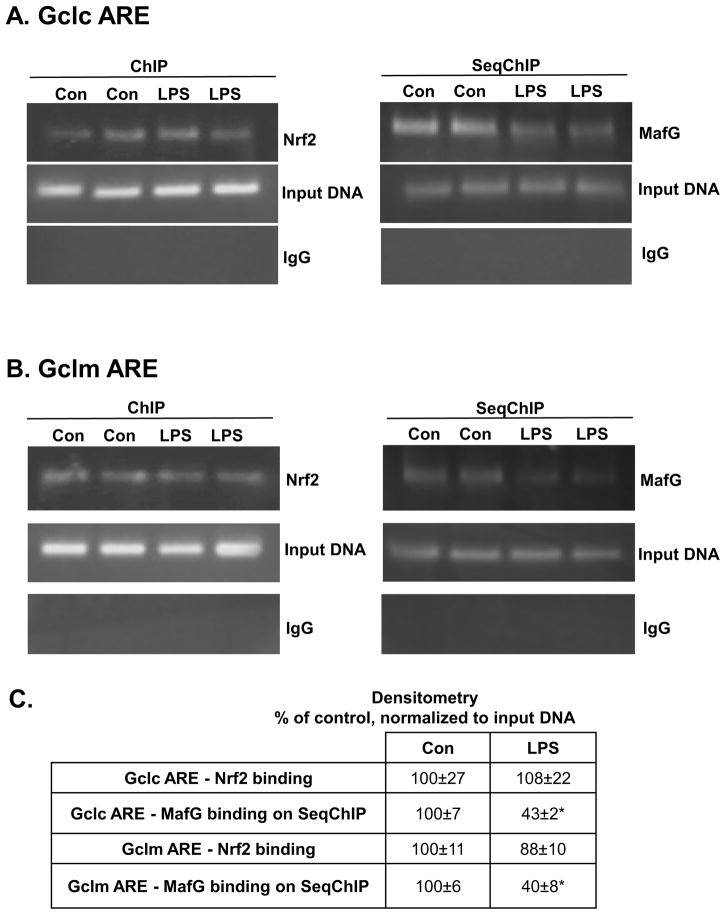
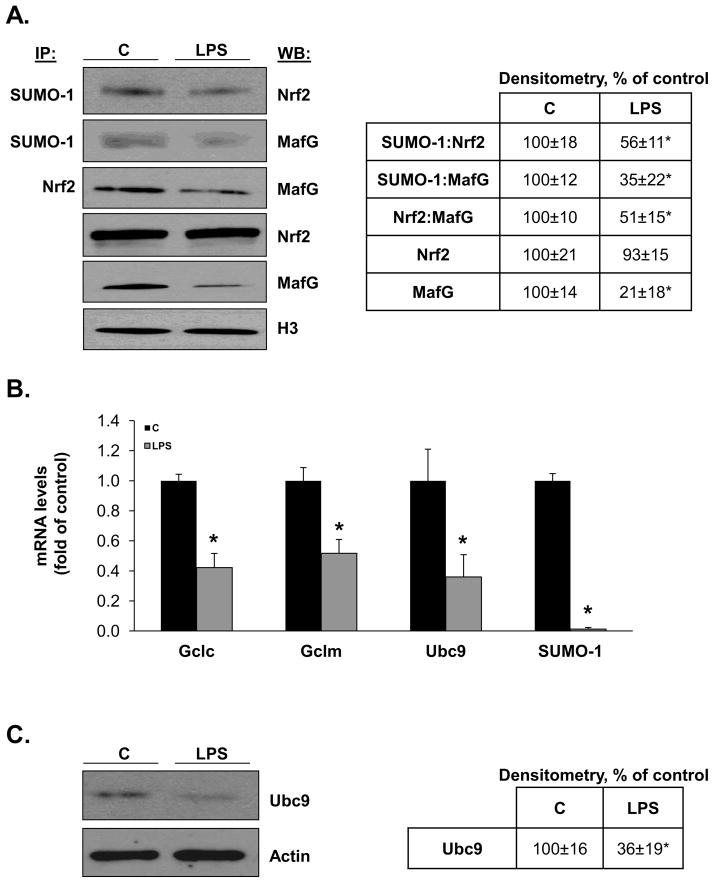
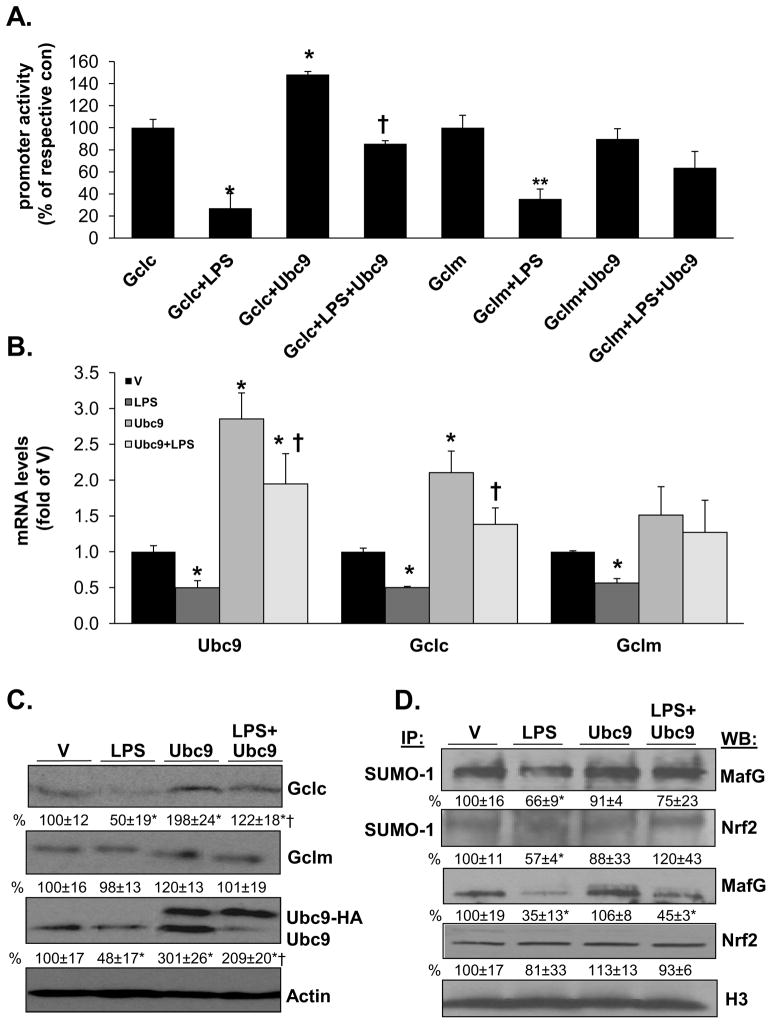
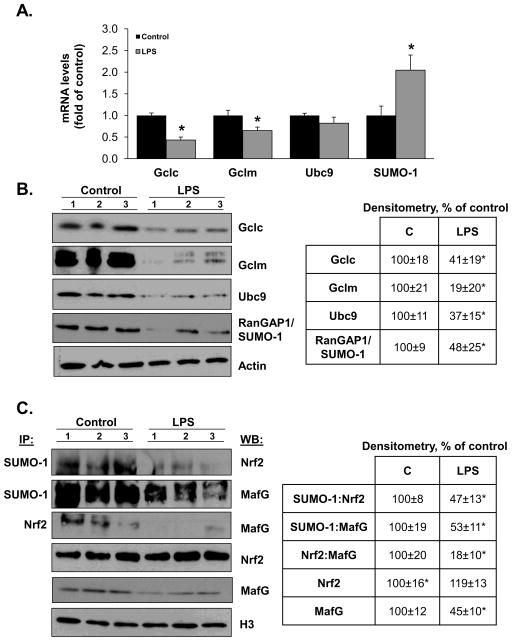
Endotoxemia correlates with the degree of liver failure and may participate in worsening of liver diseases. Lipopolysaccharide (LPS; synonymous with endotoxin) treatment in mice lowered the hepatic glutathione (GSH) level, which in turn is a variable that determines susceptibility to LPS-induced injury. We previously showed that LPS treatment in mice lowered hepatic expression of the rate-limiting enzyme in GSH synthesis, glutamate-cysteine ligase (GCL). The aim of our current work was to determine the molecular mechanism(s) responsible for these changes. Studies were done using RAW cells (murine macrophages), in vivo LPS-treated mice, and mouse hepatocytes. We found that LPS treatment lowered GCL catalytic and modifier (Gclc and Gclm) subunit expression at the transcriptional level, which was unrelated to alterations in nitric oxide production or induction of NF-κB/p65 subunit. The key mechanism was a decrease in sumoylation of nuclear factor-erythroid 2-related factor 2 (Nrf2) and MafG, which is required for their heterodimerization and subsequent binding and trans-activation of the antioxidant-response element (ARE) present in the promoter region of these genes that is essential for their expression. LPS treatment lowered markedly the expression of ubiquitin-conjugating enzyme 9 (Ubc9), which is required for sumoylation. Similar findings also occurred in liver after in vivo LPS treatment and in LPS-treated mouse hepatocytes. Overexpression of Ubc9 protected against LPS-mediated inhibition of Gclc and Gclm expression in RAW cells and hepatocytes. In conclusion, LPS-mediated lowering of GCL expression in hepatocytes and macrophages is due to lowering of sumoylation of Nrf2 and MafG, leading to reduced heterodimerization, binding, and trans-activation of ARE.
内毒素血症与肝功能衰竭的程度相关,可能参与肝病的恶化。脂多糖(LPS;与内毒素同义)处理小鼠会降低肝谷胱甘肽(GSH)水平,而 GSH 水平是决定对 LPS 诱导损伤易感性的一个变量。我们之前表明 LPS 处理降低了 GSH 合成限速酶谷氨酸-半胱氨酸连接酶(GCL)在小鼠肝脏中的表达。我们当前工作的目的是确定导致这些变化的分子机制。使用 RAW 细胞(小鼠巨噬细胞)、体内 LPS 处理的小鼠和小鼠肝细胞进行了研究。我们发现 LPS 处理在转录水平降低了 GCL 催化和调节亚基(Gclc 和 Gclm)的表达,这与一氧化氮产生或 NF-κB/p65 亚基的诱导无关。关键机制是核因子-红细胞 2 相关因子 2(Nrf2)和 MafG 的 sumoylation 减少,这是它们异二聚化以及随后结合和转激活存在于这些基因启动子区域的抗氧化反应元件(ARE)所必需的,这对于它们的表达是必需的。LPS 处理显著降低了泛素连接酶 9(Ubc9)的表达,这是 sumoylation 所必需的。在体内 LPS 处理后和 LPS 处理的小鼠肝细胞中也观察到类似的发现。Ubc9 的过表达可防止 LPS 介导的 RAW 细胞和肝细胞中 Gclc 和 Gclm 表达的抑制。总之,LPS 介导的肝细胞和巨噬细胞中 GCL 表达的降低是由于 Nrf2 和 MafG 的 sumoylation 降低,导致异二聚体形成、结合和 ARE 的转激活减少。