Small Molecule Process and Product Development, Amgen Inc, Thousand Oaks, CA 91320, USA.
Pharmaceutics. 2011 Aug 31;3(3):582-600. doi: 10.3390/pharmaceutics3030582.
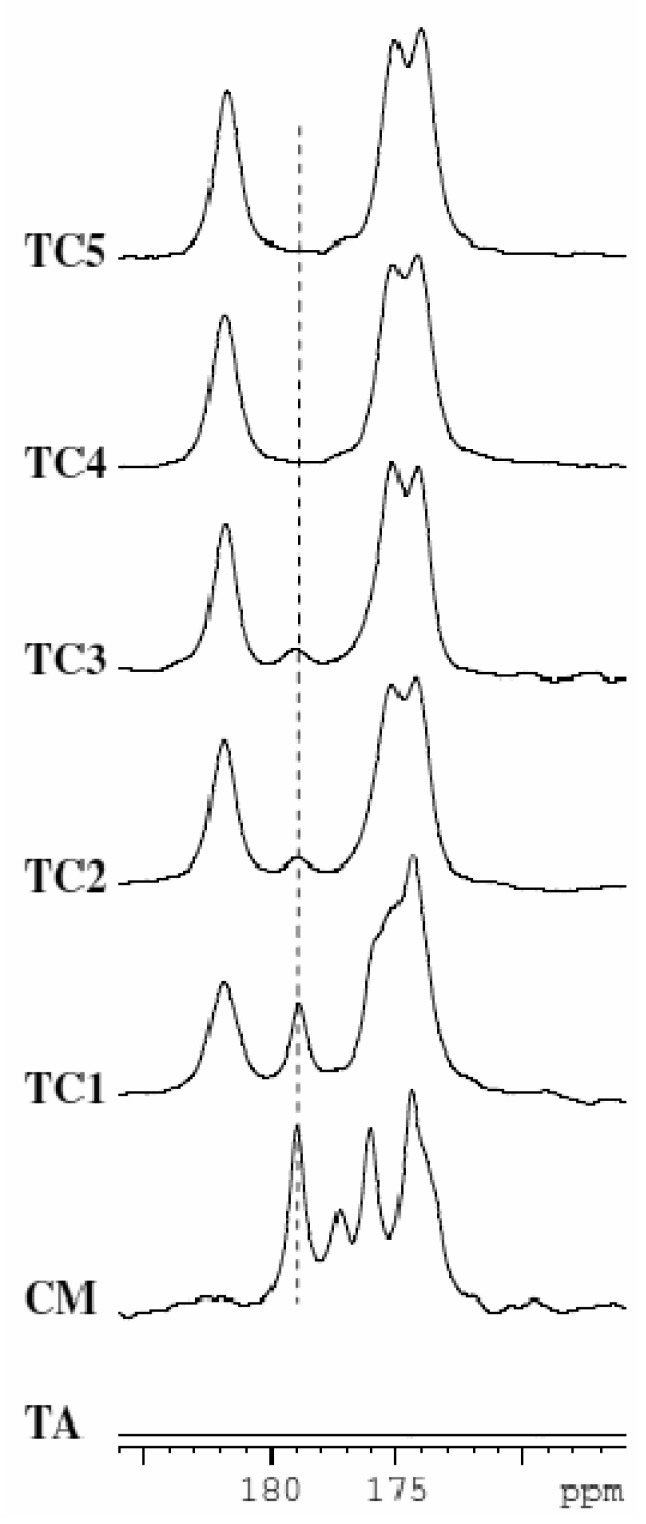
The application of twin screw extrusion (TSE) as a scalable and green process for the manufacture of cocrystals was investigated. Four model cocrystal forming systems, Caffeine-Oxalic acid, Nicotinamide-trans cinnamic acid, Carbamazepine-Saccharin, and Theophylline-Citric acid, were selected for the study. The parameters of the extrusion process that influenced cocrystal formation were examined. TSE was found to be an effective method to make cocrystals for all four systems studied. It was demonstrated that temperature and extent of mixing in the extruder were the primary process parameters that influenced extent of conversion to the cocrystal in neat TSE experiments. In addition to neat extrusion, liquid-assisted TSE was also demonstrated for the first time as a viable process for making cocrystals. Notably, the use of catalytic amount of benign solvents led to a lowering of processing temperatures required to form the cocrystal in the extruder. TSE should be considered as an efficient, scalable, and environmentally friendly process for the manufacture of cocrystals with little to no solvent requirements.
研究了双螺杆挤出(TSE)作为一种可扩展且绿色的方法,用于制造共晶。选择了四个模型共晶形成体系,咖啡因-草酸,烟酰胺-反肉桂酸,卡马西平-糖精和茶碱-柠檬酸,用于研究。考察了影响共晶形成的挤出工艺参数。TSE 被发现是一种有效的方法,可以为所有四个研究的体系制造共晶。结果表明,挤出机中的温度和混合程度是影响纯 TSE 实验中向共晶转化程度的主要工艺参数。除了纯挤压外,还首次证明了液体辅助 TSE 是制造共晶的可行工艺。值得注意的是,使用催化量的良性溶剂可降低在挤出机中形成共晶所需的加工温度。TSE 应该被认为是一种高效、可扩展且环保的方法,用于制造共晶,几乎不需要溶剂。