Kelshiker Mihir A, Mayet Jamil, Unsworth Beth, Okonko Darlington O
International Center for Circulatory Health, St Mary's Hospital, NHLI, Imperial College London, UK.
Curr Cardiol Rev. 2013 Nov;9(4):325-30. doi: 10.2174/1573403x09666131202125424.
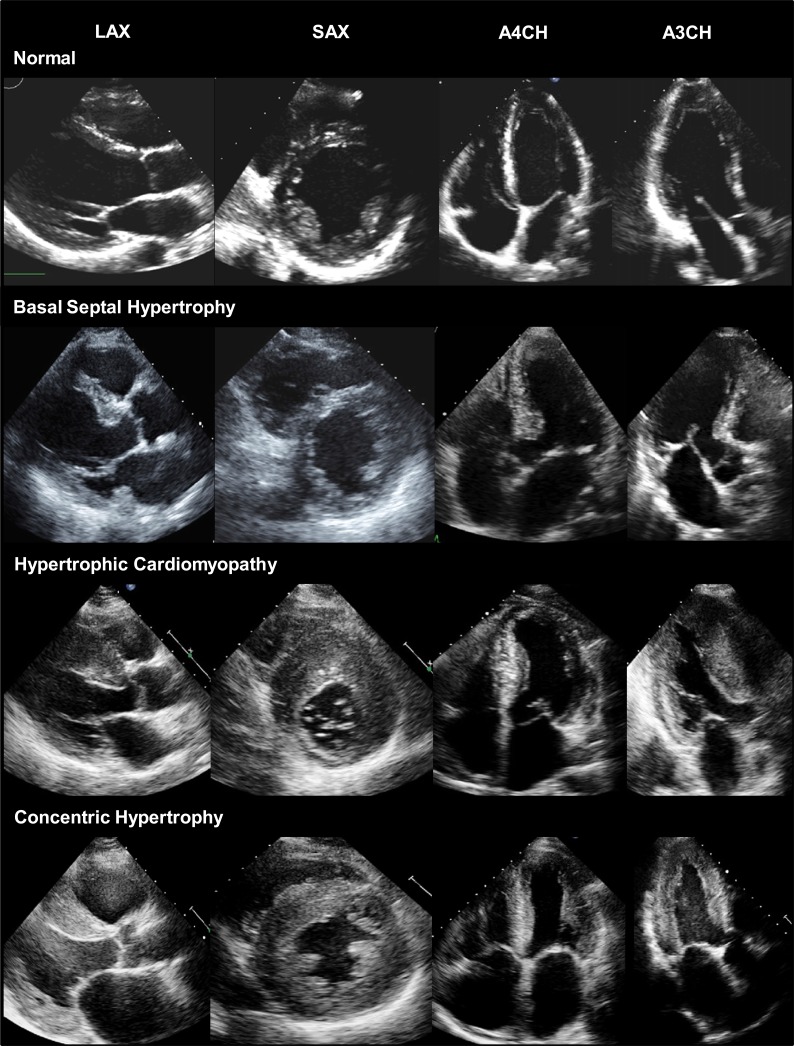
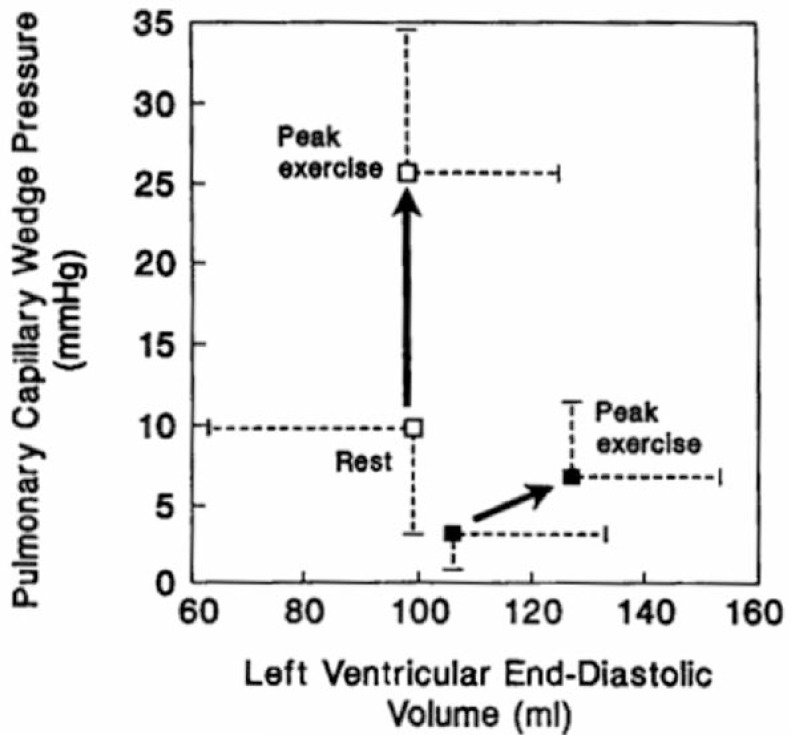
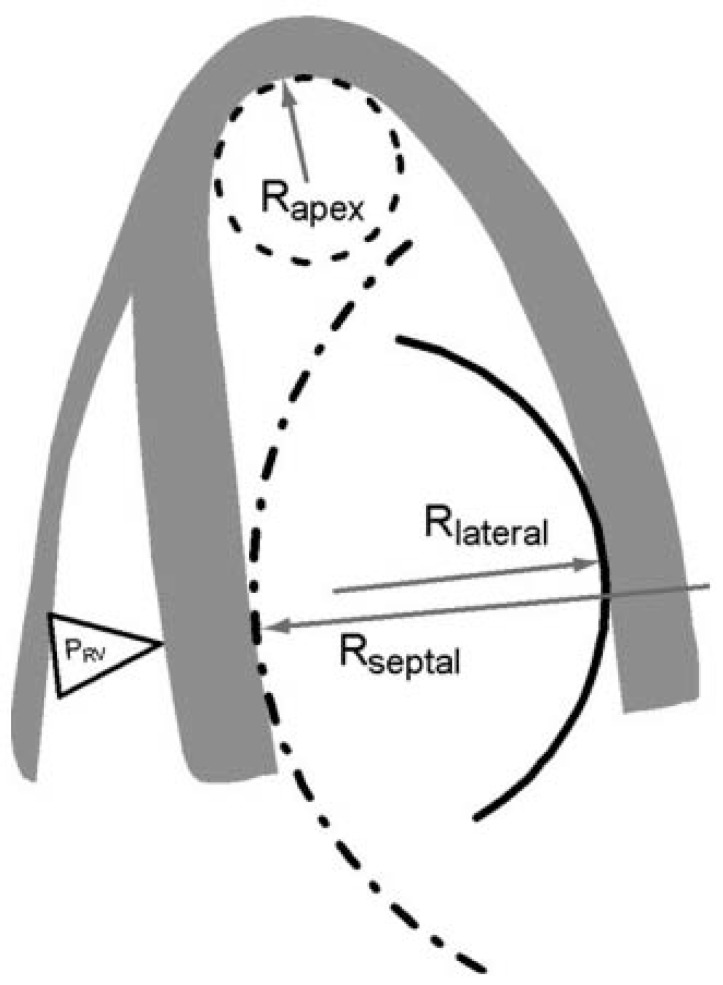
A significant clinical problem is patients presenting with exercise-limiting dyspnoea, sometimes with associated chest pain, in the absence of detectable left ventricular (LV) systolic dysfunction, coronary artery disease, or lung disease. Often the patients are older, female, and have isolated basal septal hypertrophy (BSH), frequently on a background of mild hypertension. The topic of breathlessness in patients with clinical heart failure, but who have a normal ejection fraction (HFNEF) has attracted significant controversy over the past few years. This review aims to analyse the literature on BSH, identify the possible associations between BSH and HFNEF, and consequently explore possible pathophysiological mechanisms whereby clinical symptoms are experienced.
一个重要的临床问题是,患者表现为运动受限性呼吸困难,有时伴有胸痛,却未检测到左心室(LV)收缩功能障碍、冠状动脉疾病或肺部疾病。这些患者通常年龄较大,为女性,且存在孤立性基底间隔肥厚(BSH),常伴有轻度高血压病史。在过去几年中,临床心力衰竭但射血分数正常(HFNEF)的患者出现呼吸困难这一话题引发了重大争议。本综述旨在分析关于BSH的文献,确定BSH与HFNEF之间可能的关联,并进而探索产生临床症状的可能病理生理机制。