National Institute for Public Health and the Environment, P.O. Box 1, 3720 BA Bilthoven, The Netherlands.
J Environ Public Health. 2013;2013:684035. doi: 10.1155/2013/684035. Epub 2013 Nov 13.
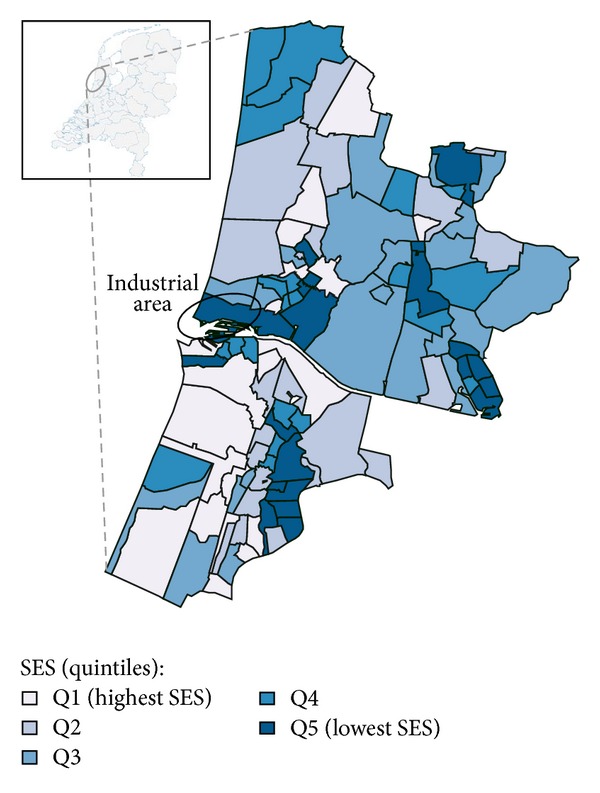
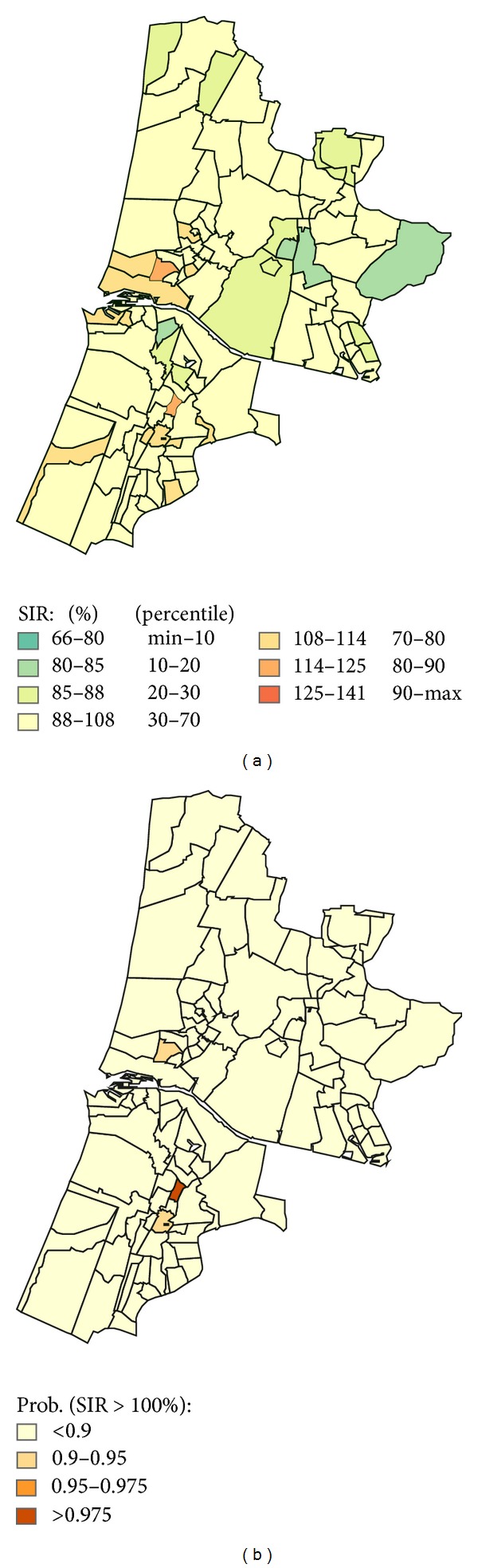
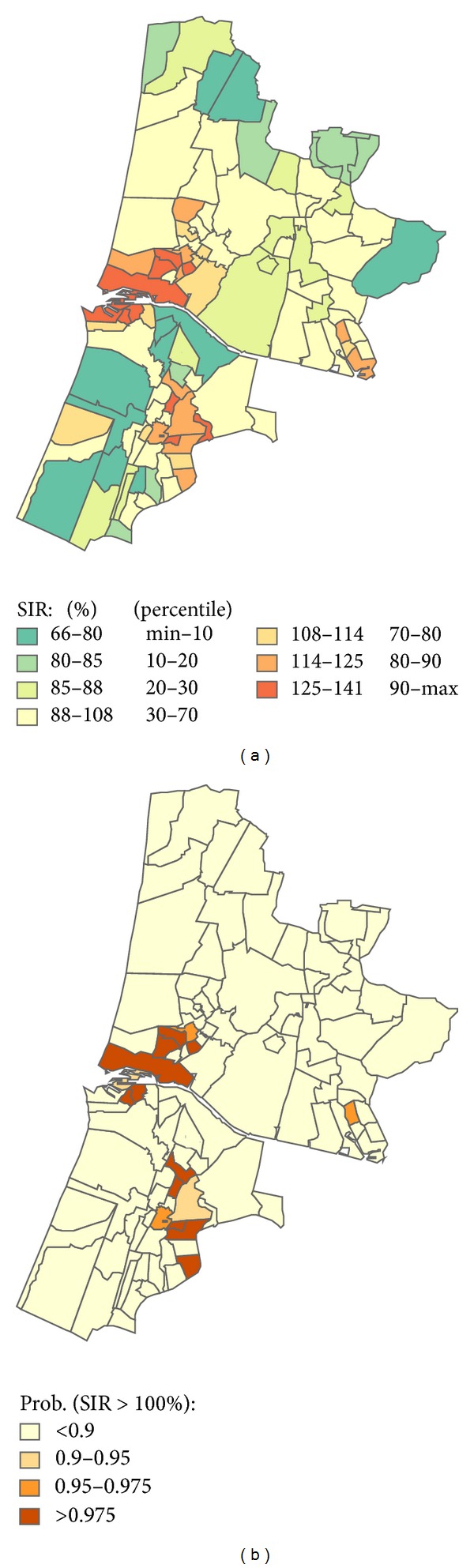
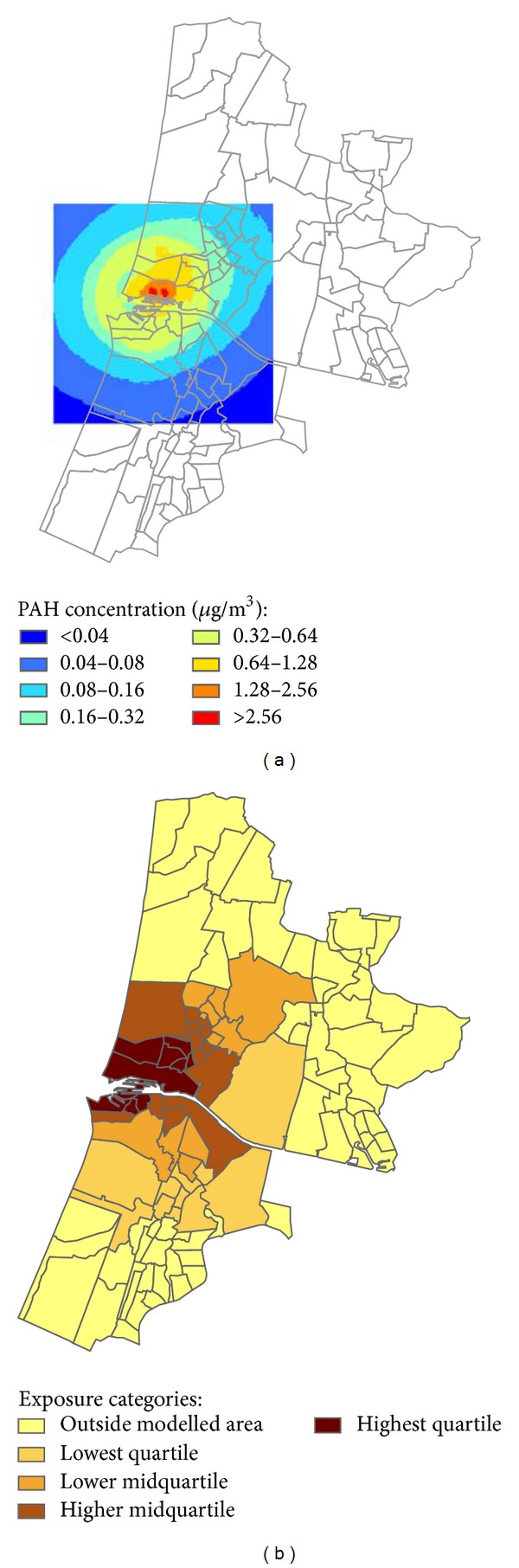
We studied the spatial distribution of cancer incidence rates around a large steel plant and its association with historical exposure. The study population was close to 600,000. The incidence data was collected for 1995-2006. From historical emission data the air pollution concentrations for polycyclic aromatic hydrocarbons (PAH) and metals were modelled. Data were analyzed using Bayesian hierarchical Poisson regression models. The standardized incidence ratio (SIR) for lung cancer was up to 40% higher than average in postcodes located in two municipalities adjacent to the industrial area. Increased incidence rates could partly be explained by differences in socioeconomic status (SES). In the highest exposure category (approximately 45,000 inhabitants) a statistically significant increased relative risk (RR) of 1.21 (1.01-1.43) was found after adjustment for SES. The elevated RRs were similar for men and women. Additional analyses in a subsample of the population with personal smoking data from a recent survey suggested that the observed association between lung cancer and plant emission, after adjustment for SES, could still be caused by residual confounding. Therefore, we cannot indisputably conclude that past emissions from the steel plant have contributed to the increased risk of lung cancer.
我们研究了一家大型钢铁厂周围癌症发病率的空间分布及其与历史暴露的关系。研究人群接近 60 万人。发病率数据收集于 1995 年至 2006 年。根据历史排放数据,对多环芳烃 (PAH) 和金属的空气污染浓度进行了建模。使用贝叶斯分层泊松回归模型对数据进行了分析。位于毗邻工业区的两个直辖市的邮政编码的肺癌标准化发病比 (SIR) 比平均值高出 40%。发病率的增加部分可以用社会经济地位 (SES) 的差异来解释。在最高暴露类别(约 45000 名居民)中,在调整 SES 后,发现统计学上显著的相对风险 (RR) 增加了 1.21(1.01-1.43)。RR 对于男性和女性是相似的。在最近的一项调查中具有个人吸烟数据的人群子样本中的进一步分析表明,在调整 SES 后,肺癌与工厂排放之间的观察到的关联仍可能是由残余混杂引起的。因此,我们不能无可争议地得出结论,认为钢铁厂过去的排放导致了肺癌风险的增加。