Department of Therapeutic Radiology, Yale School of Medicine, New Haven, CT.
J Am Heart Assoc. 2013 Dec 10;2(6):e000548. doi: 10.1161/JAHA.113.000548.
Obesity can cause structural and functional abnormalities of the heart via complex but largely undefined mechanisms. Emerging evidence has shown that obesity results in reduced oxygen concentrations, or hypoxia, in adipose tissue. We hypothesized that the adipocyte hypoxia-signaling pathway plays an essential role in the development of obesity-associated cardiomyopathy.
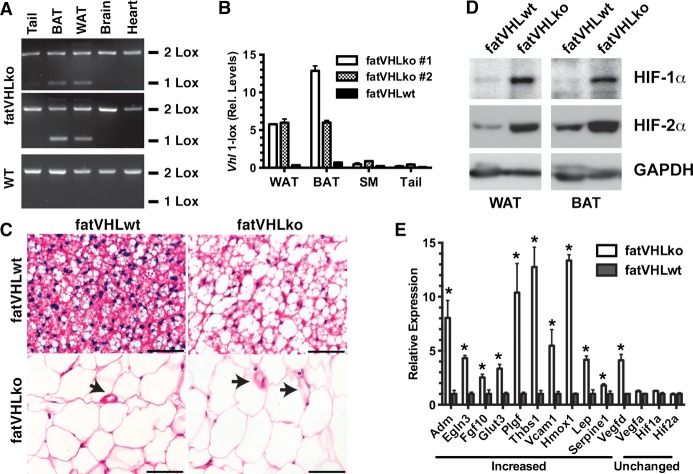
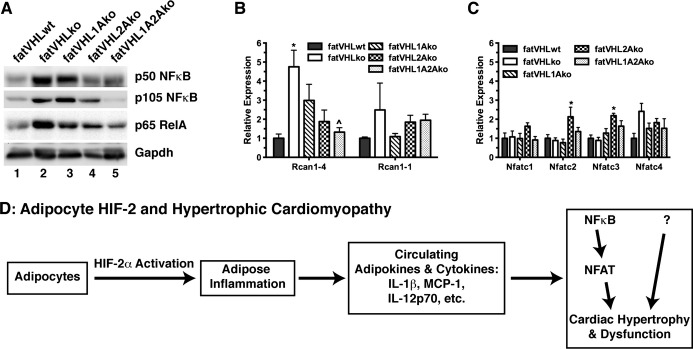
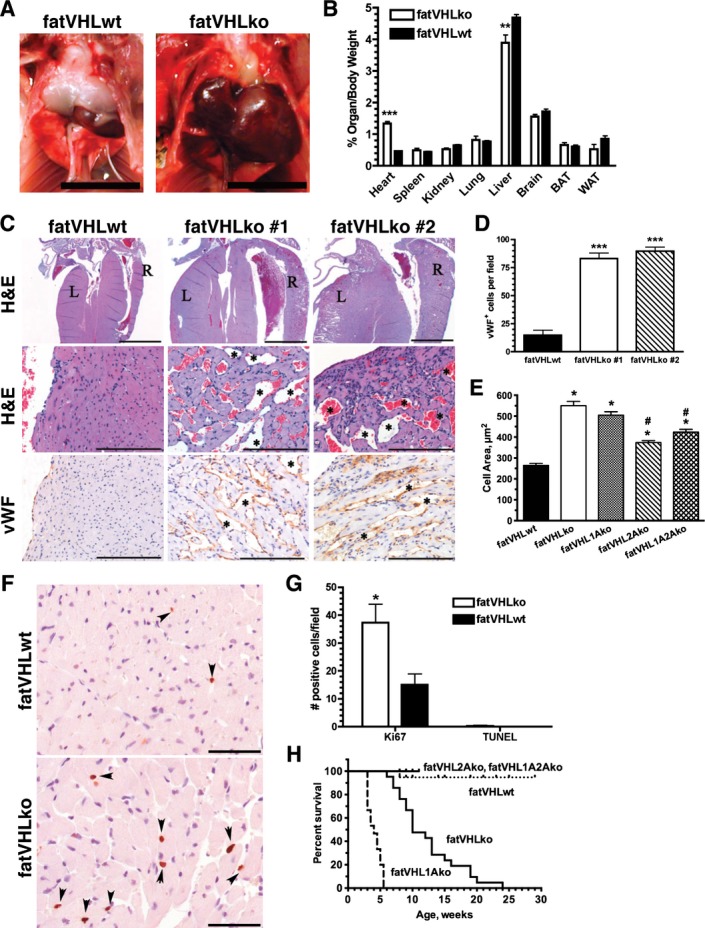
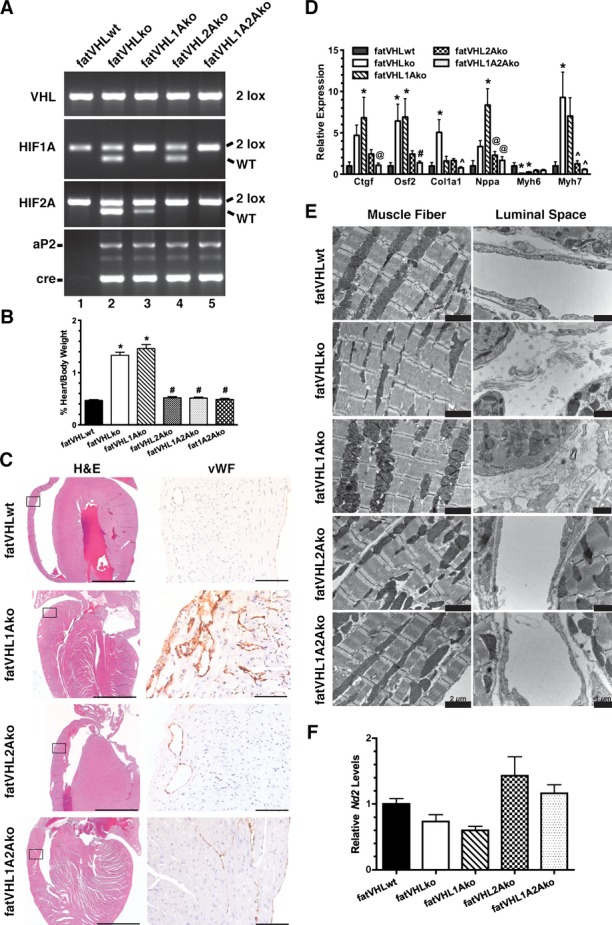
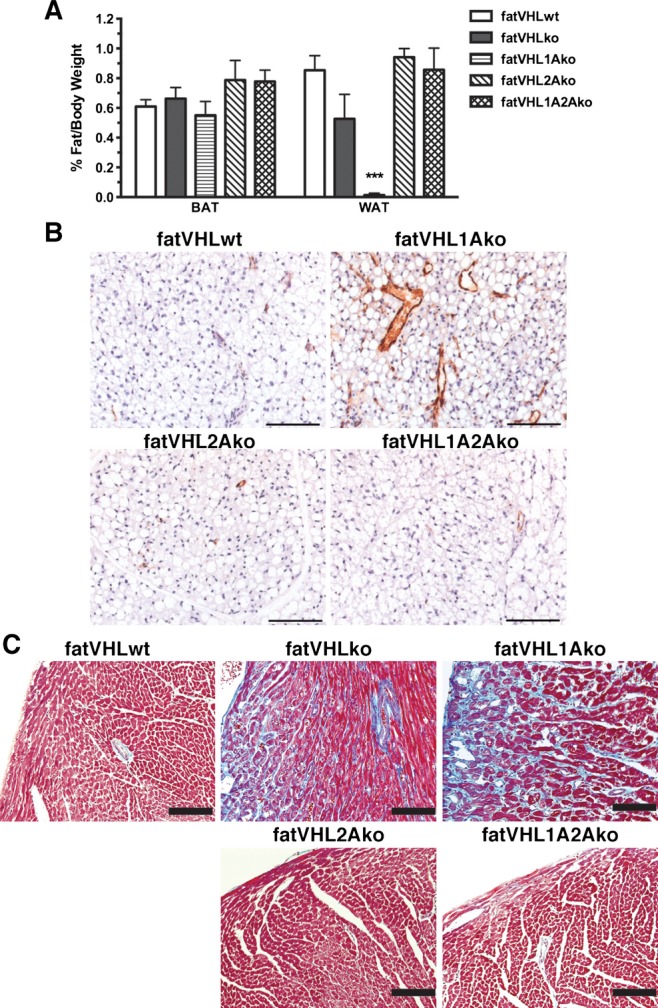
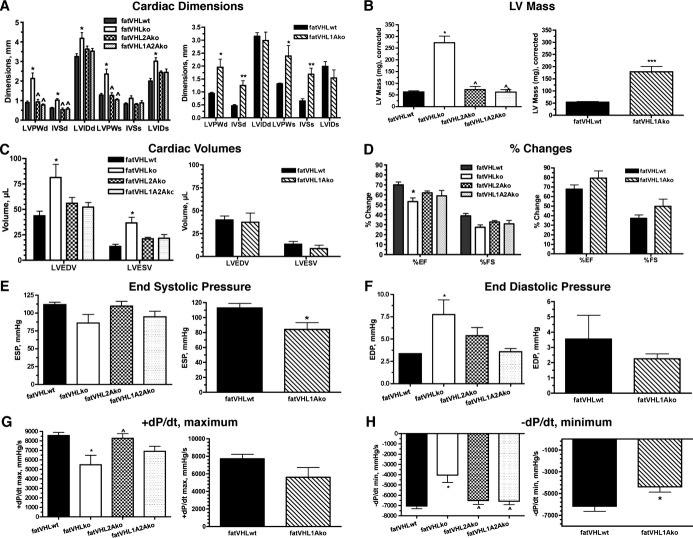
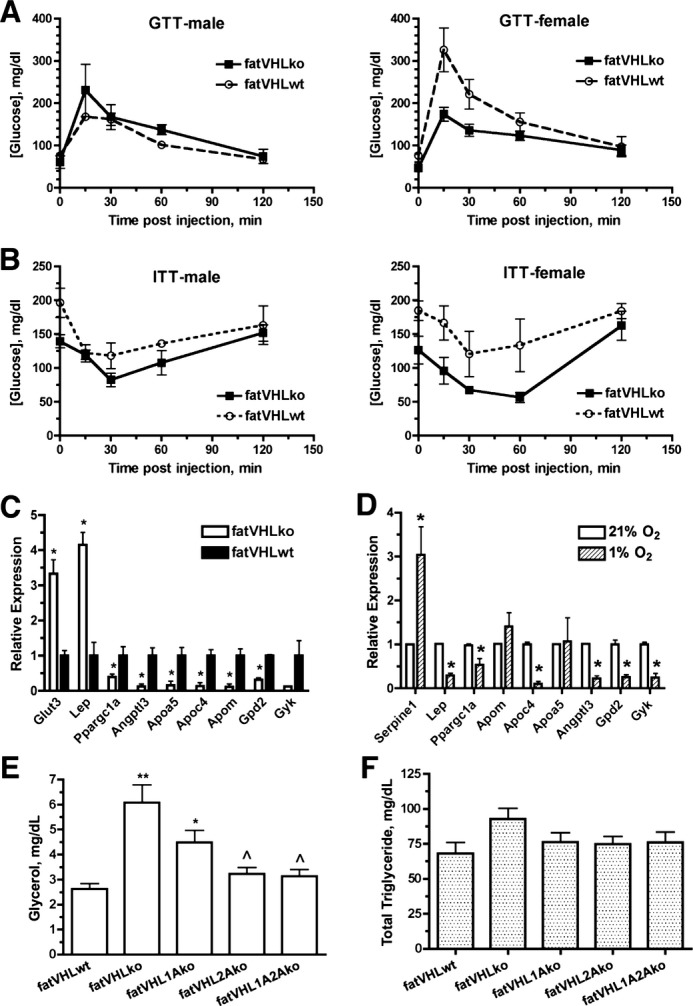
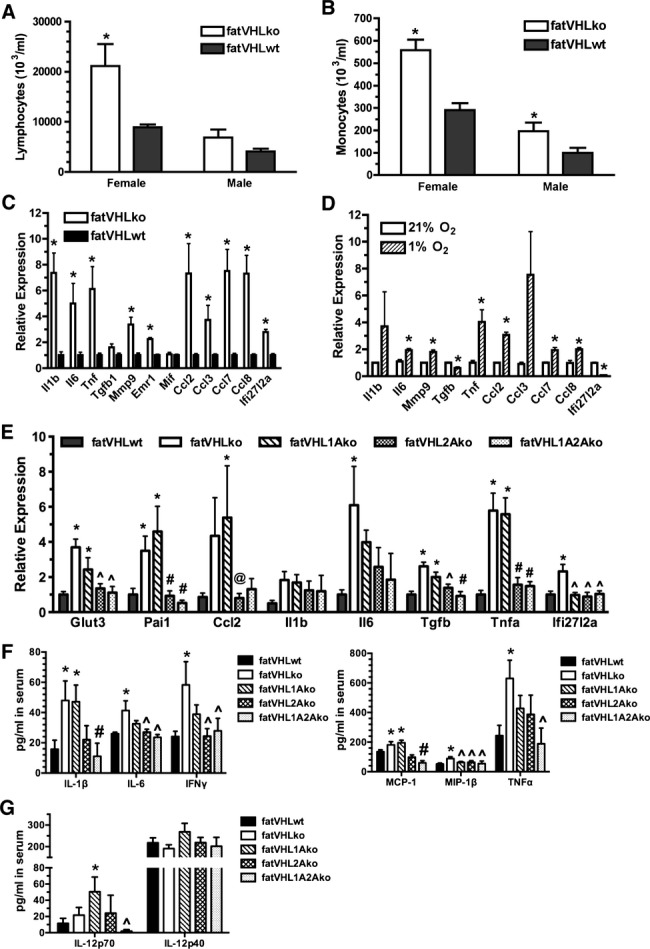
Using a mouse model in which the hypoxia-inducible factor (HIF) pathway is activated by deletion of the von Hippel-Lindau gene specifically in adipocytes, we found that mice with adipocyte-von Hippel-Lindau deletion developed lethal cardiac hypertrophy. HIF activation in adipocytes results in overexpression of key cardiomyopathy-associated genes in adipose tissue, increased serum levels of several proinflammatory cytokines including interleukin-1β and monocyte chemotactic protein-1, and activation of nuclear factor-κB and nuclear factor of activated T cells in the heart. Interestingly, genetic deletion of Hif2a, but not Hif1a, was able to rescue cardiac hypertrophy and abrogate adipose inflammation.
We have discovered a previously uncharacterized mechanism underlying a critical and direct role of the adipocyte HIF-2 transcription factor in the development of adipose inflammation and pathological cardiac hypertrophy.
肥胖可通过复杂但尚未完全明确的机制引起心脏结构和功能异常。新出现的证据表明,肥胖会导致脂肪组织中的氧浓度降低,即缺氧。我们假设脂肪细胞缺氧信号通路在肥胖相关心肌病的发生发展中起着至关重要的作用。
我们使用一种在脂肪细胞中特异性缺失 von Hippel-Lindau 基因激活缺氧诱导因子(HIF)通路的小鼠模型,发现脂肪细胞中 HIF 的激活导致脂肪组织中关键的心肌病相关基因表达过度,包括白细胞介素 1β和单核细胞趋化蛋白-1 在内的几种促炎细胞因子的血清水平升高,以及心脏中核因子-κB 和激活的 T 细胞核因子的激活。有趣的是,Hif2a 的基因缺失而非 Hif1a 的缺失能够挽救心脏肥大并阻断脂肪炎症。
我们发现了一种以前未被描述的机制,即脂肪细胞 HIF-2 转录因子在脂肪炎症和病理性心脏肥大发展中起着关键的直接作用。