Eterno Vincenzo, Zambelli Alberto, Pavesi Lorenzo, Villani Laura, Zanini Vittorio, Petrolo Gianfranco, Manera Stefana, Tuscano Antonella, Amato Angela
Laboratory of Experimental Oncology and Pharmacogenomics.
Oncotarget. 2014 Feb 15;5(3):613-33. doi: 10.18632/oncotarget.1359.
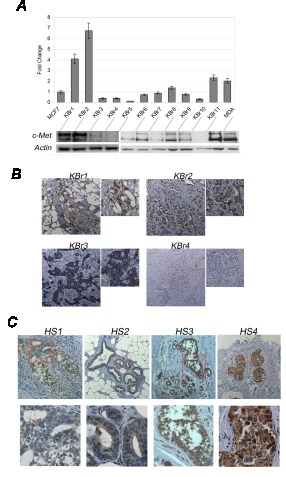
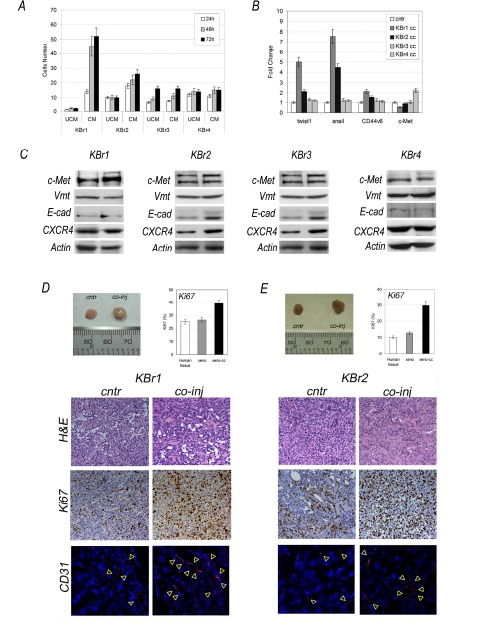
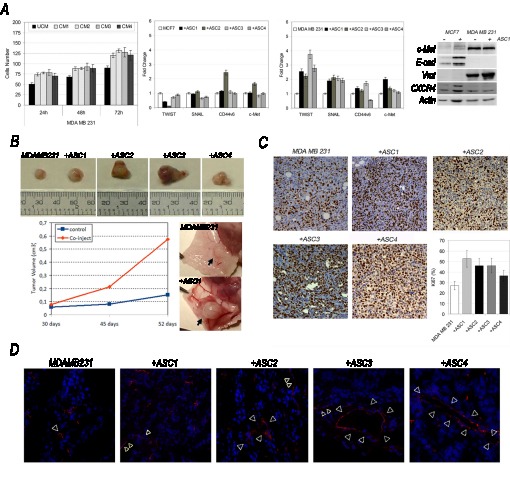
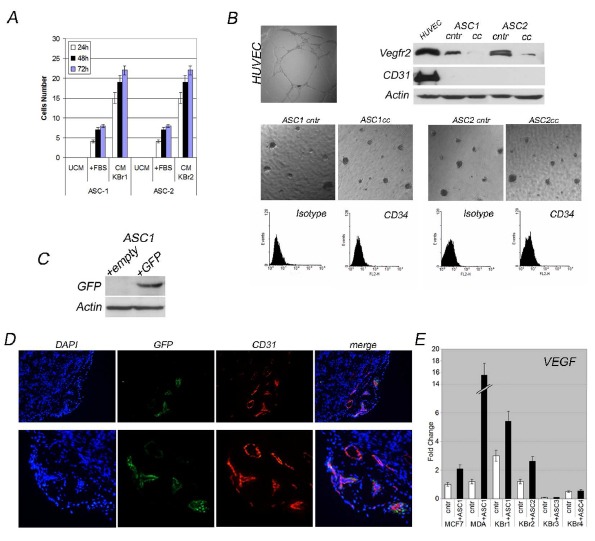
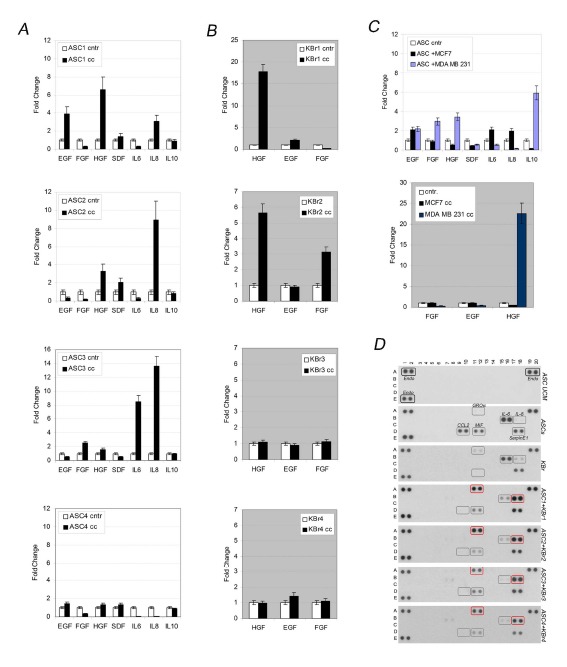
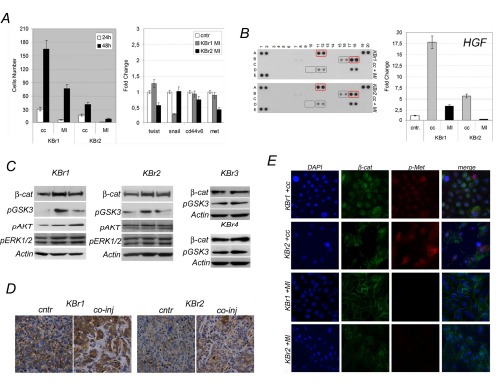
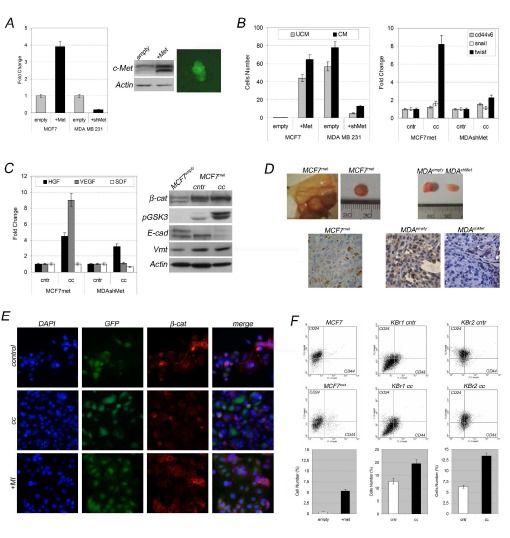
Adipose tissue is a reservoir of Mesenchymal Stem Cells (Adipose-derived Mesenchymal Stem Cells, ASCs), endowed with regenerative properties. Fat graft was proposed for breast reconstruction in post-surgery cancer patients achieving good aesthetic results and tissues regeneration. However, recent findings highlight a potential tumorigenic role that ASCs may have in cancer recurrence, raising some concerns about their safety in clinical application. To address this issue, we established a model where autologous ASCs were combined with primary normal or cancer cells from breast of human donors, in order to evaluate potential effects of their interactions, in vitro and in vivo. Surprisingly, we found that ASCs are not tumorigenic per sè, as they are not able to induce a neoplastic transformation of normal mammary cells, however they could exhacerbate tumorigenic behaviour of c-Met-expressing breast cancer cells, creating an inflammatory microenvironment which sustained tumor growth and angiogenesis. Pharmacological c-Met inhibition showed that a HGF/c-Met crosstalk between ASCs and breast cancer cells enhanced tumor cells migration, acquiring a metastatic signature, and sustained tumor self-renewal. The master role of HGF/c-Met pathway in cancer recurrence was further confirmed by c-Met immunostaining in primary breast cancer from human donors, revealing a strong positivity in patients displaying a recurrent pathology after fat grafts and a weak/moderate staining in patients without signs of recurrence. Altogether our findings, for the first time, suggest c-Met expression, as predictive to evaluate risk of cancer recurrence after autologous fat graft in post-surgery breast cancer patients, increasing the safety of fat graft in clinical application.
脂肪组织是间充质干细胞(脂肪来源的间充质干细胞,ASCs)的储存库,具有再生特性。脂肪移植被提议用于手术后癌症患者的乳房重建,取得了良好的美学效果和组织再生。然而,最近的研究结果突出了ASCs在癌症复发中可能具有的潜在致瘤作用,引发了对其临床应用安全性的一些担忧。为了解决这个问题,我们建立了一个模型,将自体ASCs与来自人类供体乳房的原代正常或癌细胞相结合,以评估它们在体外和体内相互作用的潜在影响。令人惊讶的是,我们发现ASCs本身并不具有致瘤性,因为它们无法诱导正常乳腺细胞发生肿瘤转化,然而它们可能会加剧表达c-Met的乳腺癌细胞的致瘤行为,创造一个维持肿瘤生长和血管生成的炎症微环境。药理学上对c-Met的抑制表明,ASCs与乳腺癌细胞之间的HGF/c-Met相互作用增强了肿瘤细胞的迁移,获得了转移特征,并维持了肿瘤的自我更新。HGF/c-Met通路在癌症复发中的主要作用通过对人类供体原发性乳腺癌的c-Met免疫染色进一步得到证实,显示在脂肪移植后出现复发病理的患者中呈强阳性,而在没有复发迹象的患者中呈弱/中度染色。总之,我们的研究结果首次表明,c-Met表达可作为评估手术后乳腺癌患者自体脂肪移植后癌症复发风险的预测指标,提高了脂肪移植在临床应用中的安全性。