FMRIB Centre, University of Oxford, Oxford, United Kingdom.
Ann N Y Acad Sci. 2013 Dec;1305(1):83-93. doi: 10.1111/nyas.12271. Epub 2013 Sep 24.
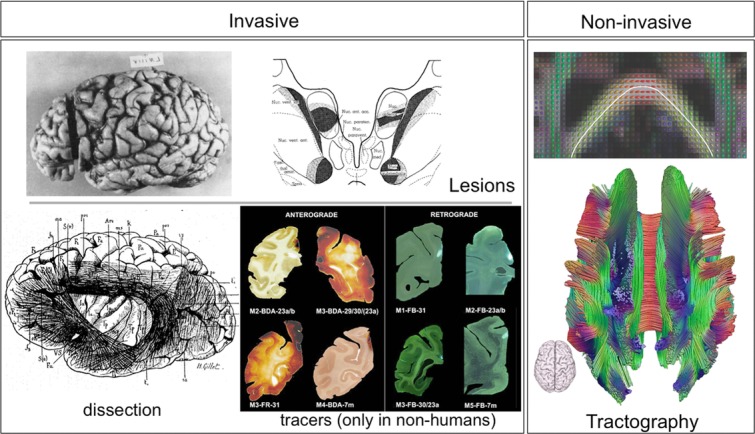
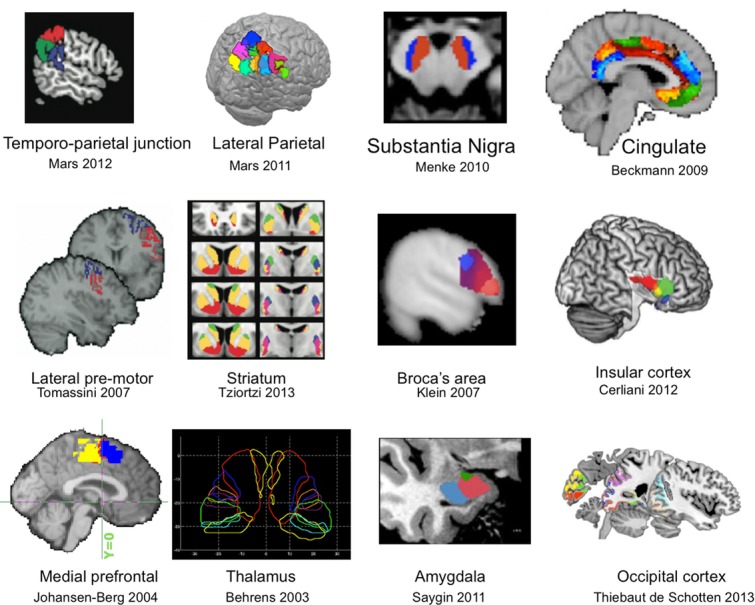
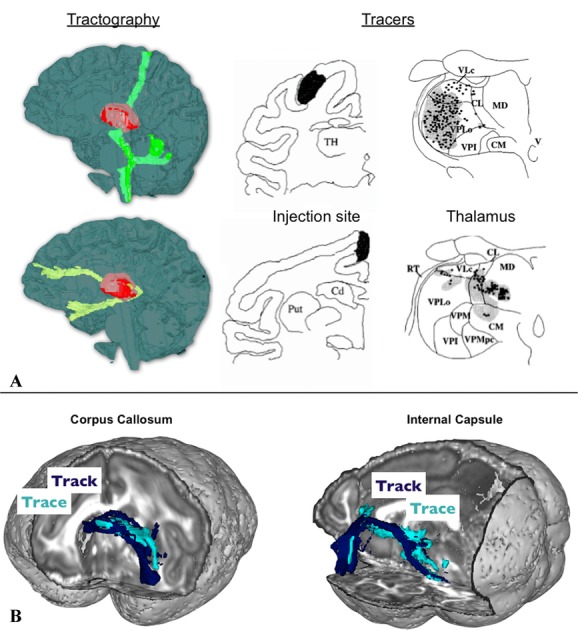
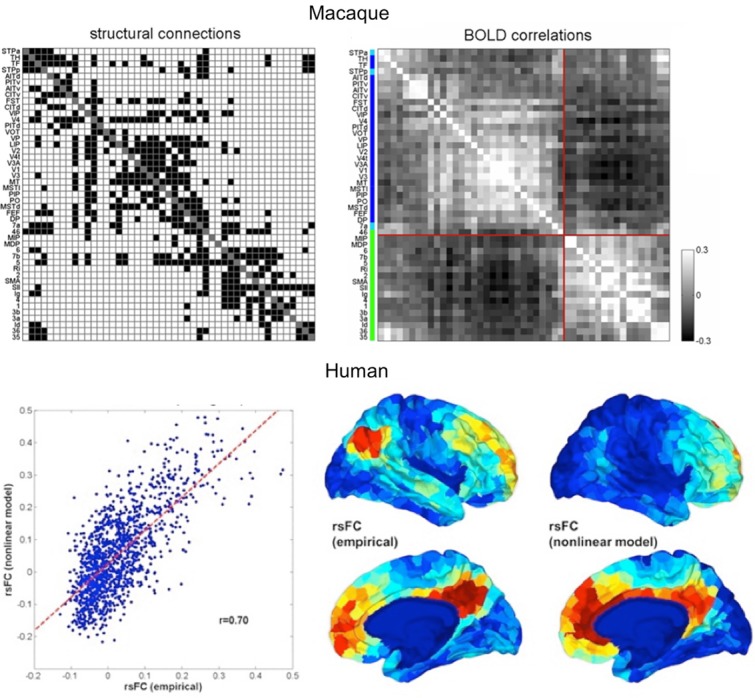
Decoding neural algorithms is one of the major goals of neuroscience. It is generally accepted that brain computations rely on the orchestration of neural activity at local scales, as well as across the brain through long-range connections. Understanding the relationship between brain activity and connectivity is therefore a prerequisite to cracking the neural code. In the past few decades, tremendous technological advances have been achieved in connectivity measurement techniques. We now possess a battery of tools to measure brain activity and connections at all available scales. A great source of excitement are the new in vivo tools that allow us to measure structural and functional connections noninvasively. Here, we discuss how these new technologies may contribute to deciphering the neural code.
解码神经算法是神经科学的主要目标之一。人们普遍认为,大脑计算依赖于局部尺度上神经活动的协调,以及通过长程连接在整个大脑中的协调。因此,理解大脑活动和连接之间的关系是破解神经密码的前提。在过去的几十年中,连接测量技术取得了巨大的技术进步。我们现在拥有一系列工具,可以在所有可用的尺度上测量大脑活动和连接。令人兴奋的是,新的活体工具使我们能够无创地测量结构和功能连接。在这里,我们讨论这些新技术如何有助于破译神经密码。