Laboratory of Developmental Neurobiology, Department of Cell Biology, Faculty of Biological Sciences, Center for Advanced Microscopy, Universidad de Concepción Concepción, Chile.
Institute of Chemistry, Faculty of Sciences, Pontificia Universidad Católica de Valparaíso Valparaiso, Chile.
Front Cell Neurosci. 2013 Dec 3;7:239. doi: 10.3389/fncel.2013.00239. eCollection 2013.
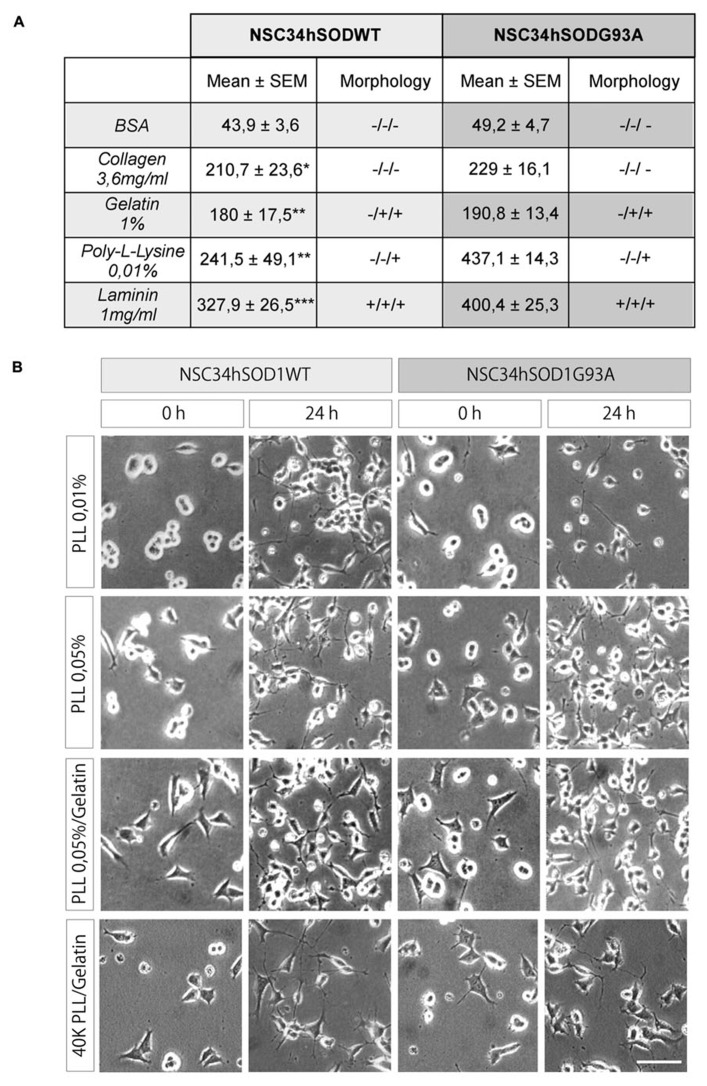
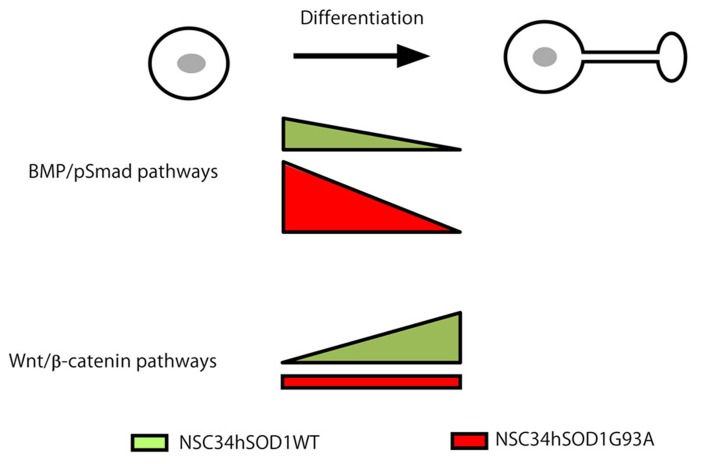
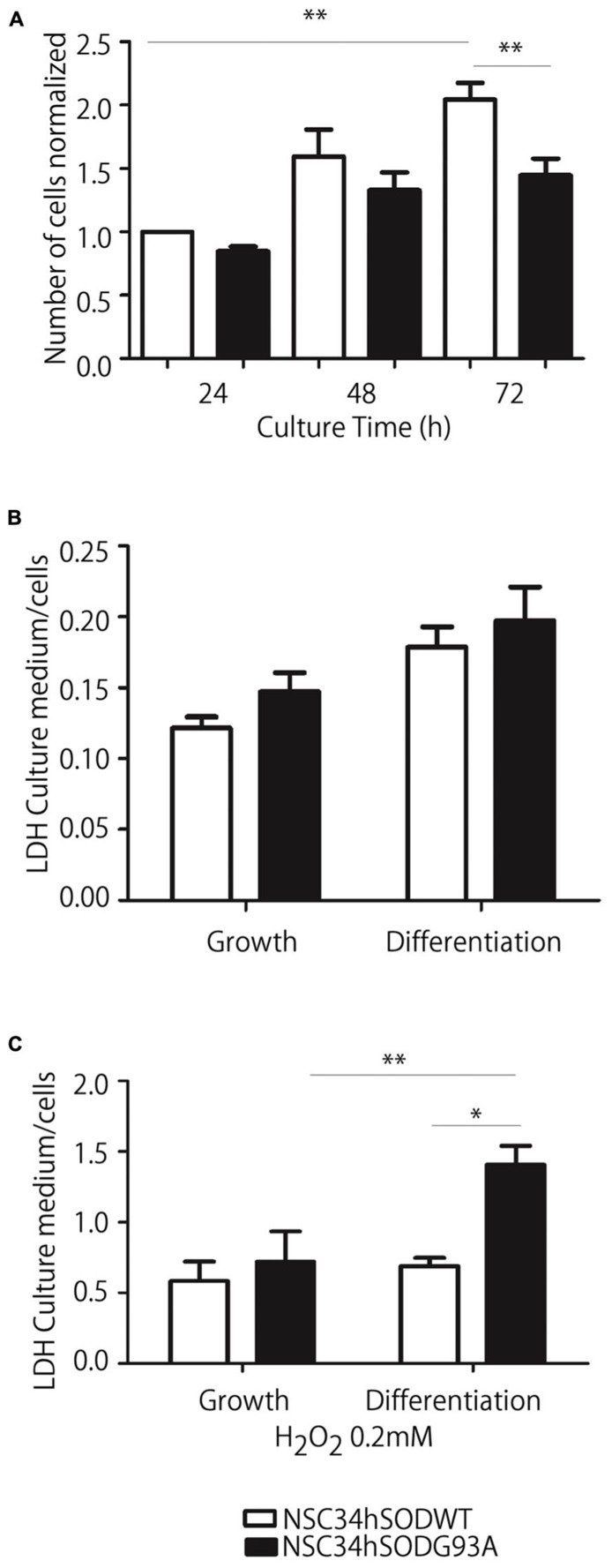
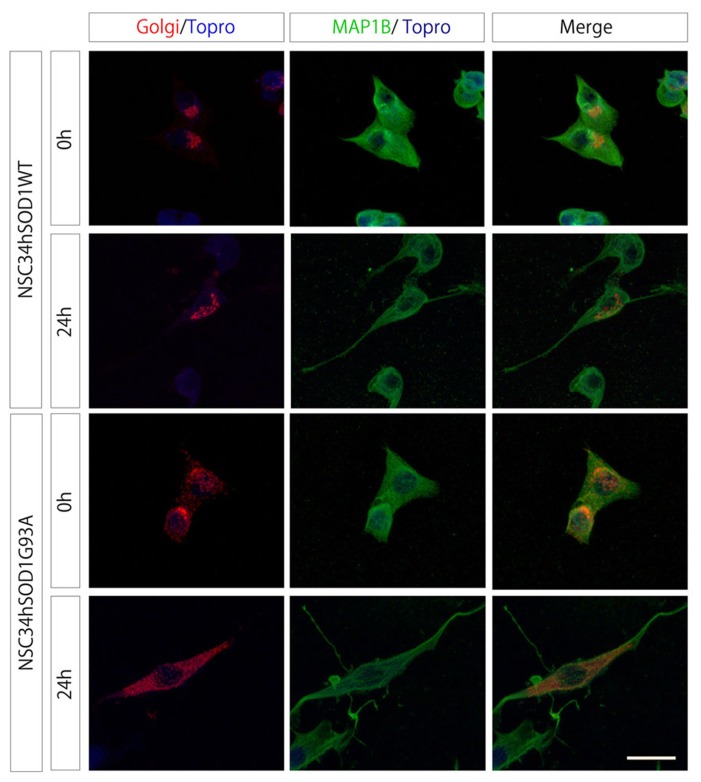
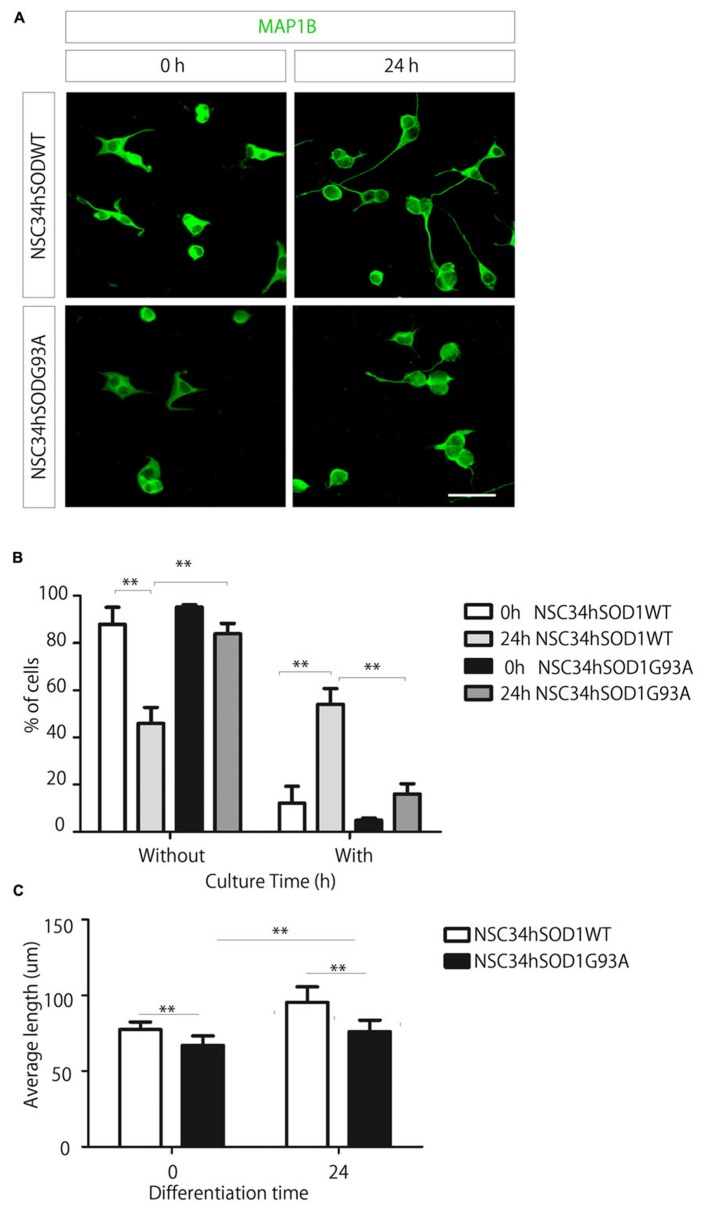
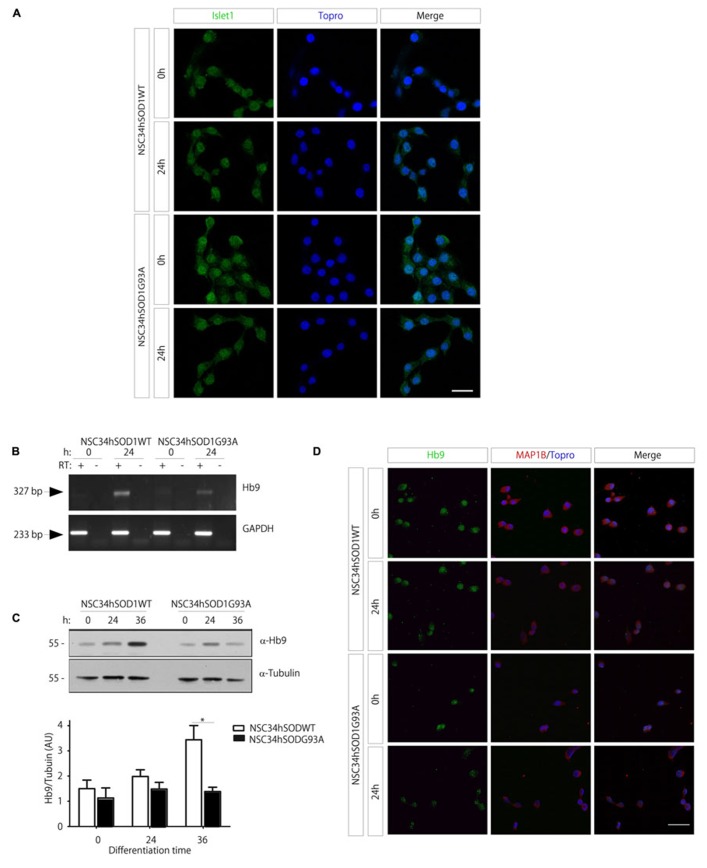
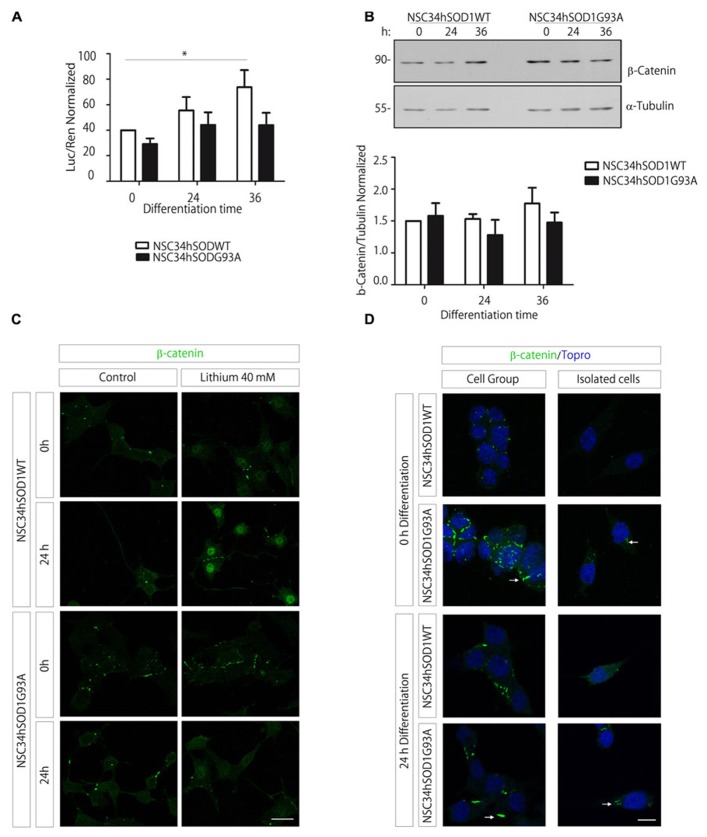
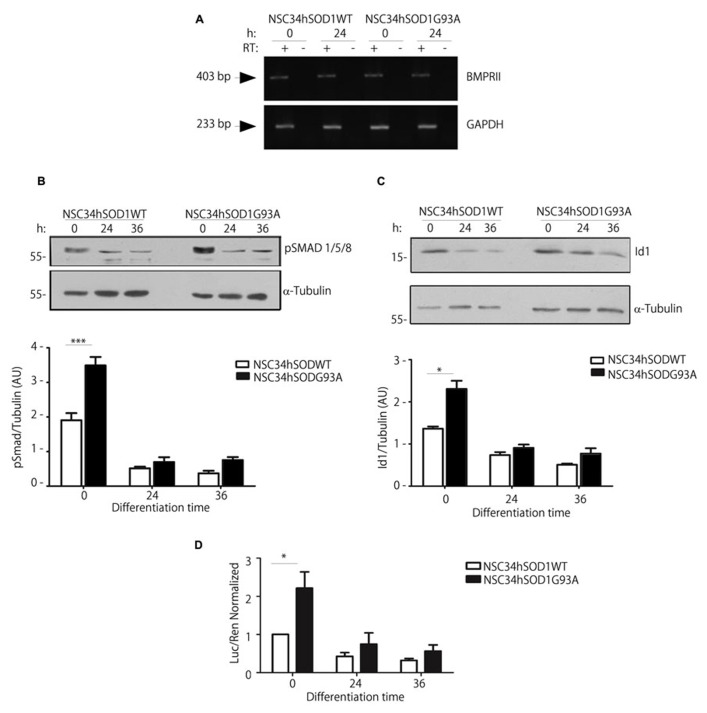
Different pathways activated by morphogens of the early embryonic development, such as the Wnt and the Bone Morphogenetic Protein (BMP) ligands, are involved in diverse physiological and pathological conditions of the nervous system, including neurodegeneration. In this work, we have analyzed the endogenous activity of the canonical Wnt/β-catenin and BMP/Smad-dependent pathways in an in vitro model of amyotrophic lateral sclerosis (ALS), given by motor neuron-like NSC34 cells stably expressing wild-type or G93A mutated forms of human Cu/Zn superoxide dismutase-1 (SOD1). As ALS-derived motor neurons, NSC34 cells expressing mutated hSOD1 show a decreased proliferation rate, are more susceptible to oxidation-induced cell death and display Golgi fragmentation. In addition, they display an impaired ability to induce the expression of the motor neuronal marker Hb9 and, consistently, to morphologically differentiate into a motor neuronal phenotype. Regarding signaling, our data show that the transcriptional activity associated to the Wnt/β-catenin pathway is decreased, a finding possibly associated to the cytosolic aggregation of β-catenin. In turn, the BMP-dependent phosphorylation of Smad1 and the transcriptional activation of the BMP/Smad pathway is increased in the pathologic model. Together, these findings suggest that Wnt/β-catenin and the BMP-dependent pathways could play relevant roles in the neurodegeneration of motor neurons in the context of ALS.
早期胚胎发育中形态发生素(如 Wnt 和骨形态发生蛋白(BMP)配体)激活的不同途径参与神经系统的多种生理和病理状况,包括神经退行性变。在这项工作中,我们分析了在稳定表达野生型或 G93A 突变型人铜/锌超氧化物歧化酶-1(SOD1)的运动神经元样 NSC34 细胞体外肌萎缩侧索硬化症(ALS)模型中,经典 Wnt/β-catenin 和 BMP/Smad 依赖性途径的内源性活性。作为源自 ALS 的运动神经元,表达突变型 hSOD1 的 NSC34 细胞显示出降低的增殖率,对氧化诱导的细胞死亡更敏感并且显示出高尔基碎片化。此外,它们显示出诱导运动神经元标志物 Hb9 的表达和形态上分化为运动神经元表型的能力受损。关于信号转导,我们的数据表明与 Wnt/β-catenin 途径相关的转录活性降低,这一发现可能与β-catenin 的细胞质聚集有关。相反,在病理模型中 BMP 依赖性 Smad1 磷酸化和 BMP/Smad 途径的转录激活增加。总之,这些发现表明 Wnt/β-catenin 和 BMP 依赖性途径可能在 ALS 中运动神经元的神经退行性变中发挥重要作用。