Dipartimento Scienze Cliniche Specialistiche ed Odontostomatologiche, Università Politecnica delle Marche, Ancona, Italy.
Dipartimento Scienze e Ingegneria della Materia, dell'Ambiente ed Urbanistica, Università Politecnica delle Marche, Ancona, Italy.
PLoS One. 2014 Jan 7;9(1):e83401. doi: 10.1371/journal.pone.0083401. eCollection 2014.
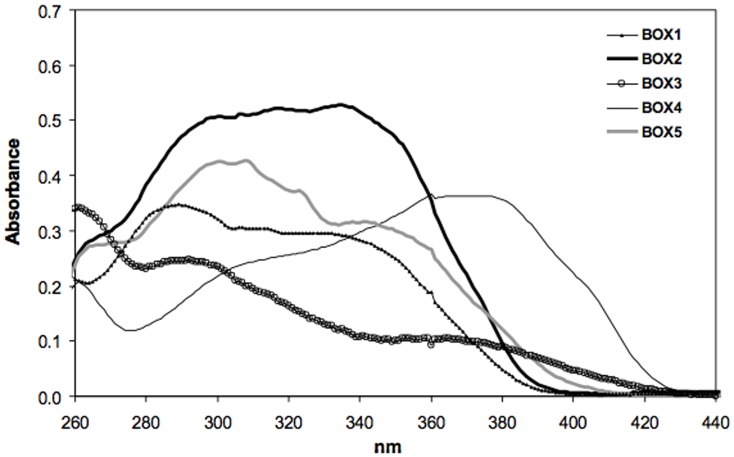
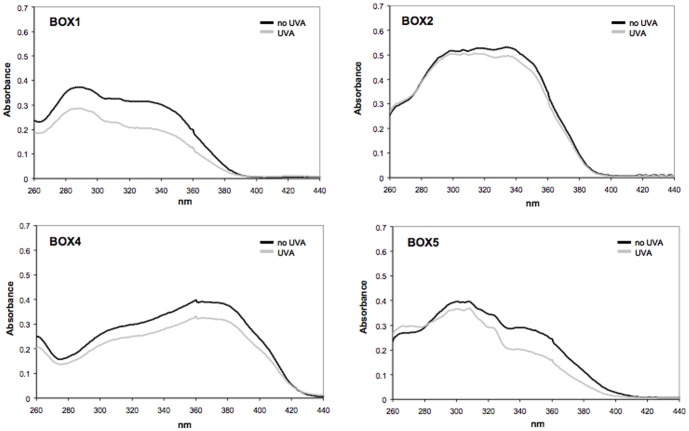
UVA rays present in sunlight are able to reach the dermal skin layer generating reactive oxygen species (ROS) responsible for oxidative damage, alterations in gene expression, DNA damage, leading to cell inflammation, photo-ageing/-carcinogenesis. Sunscreens contain UV filters as active ingredients that absorb/reflect/dissipate UV radiation: their efficiency depends on their spectral profile and photostability which should then be reflected in biological protection of underlying skin.
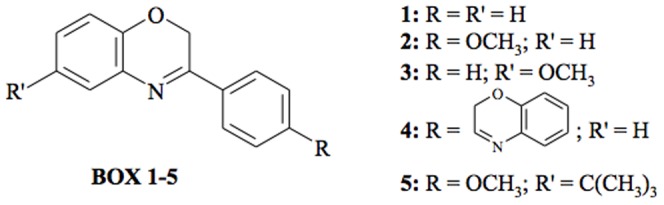
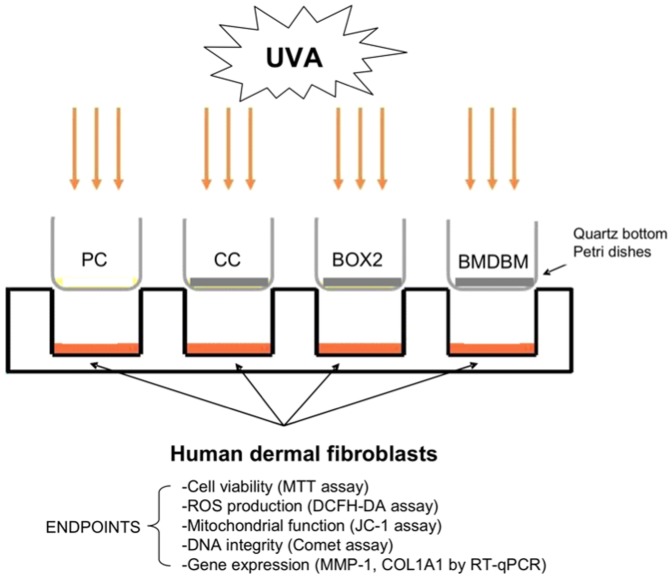
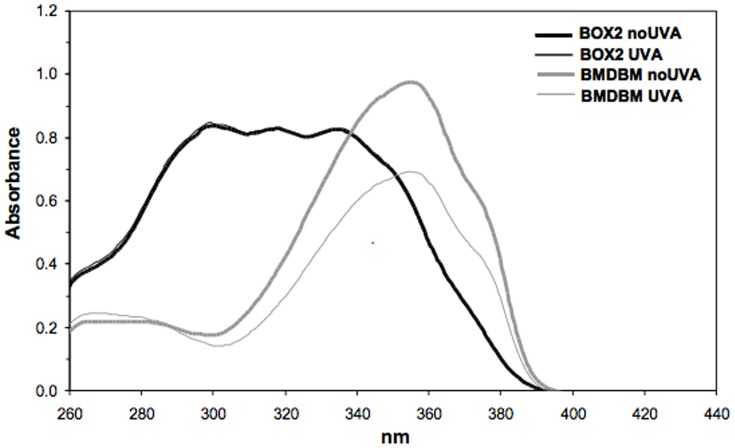
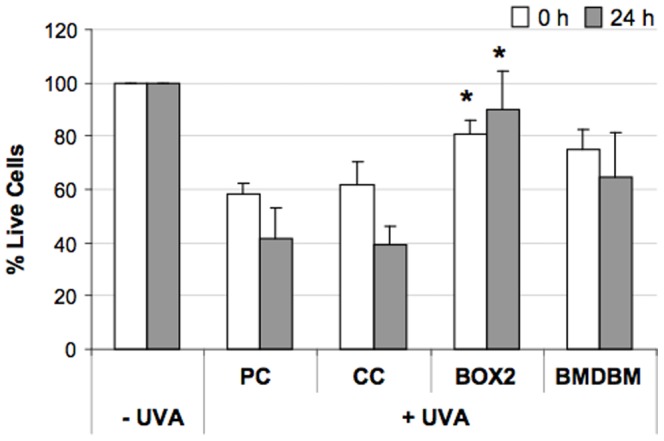
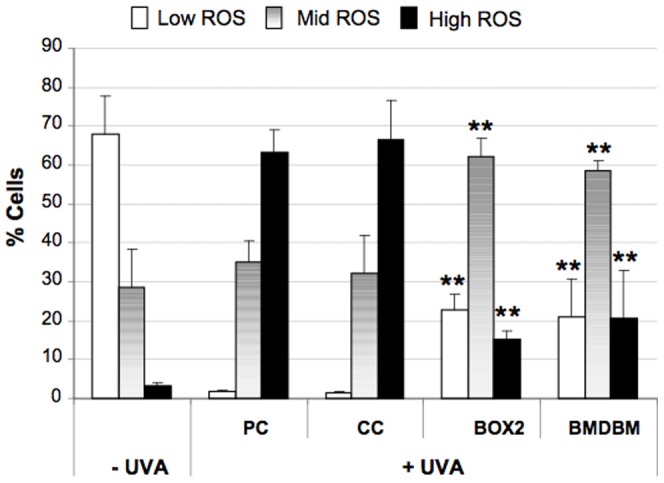
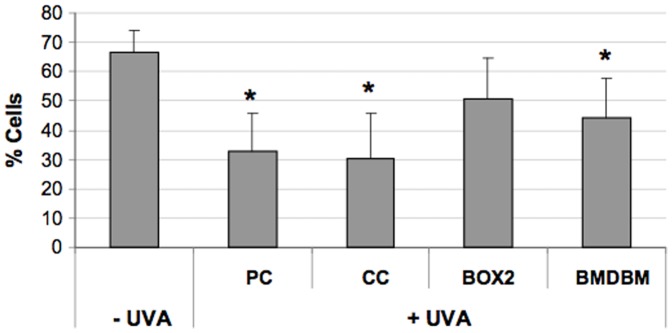
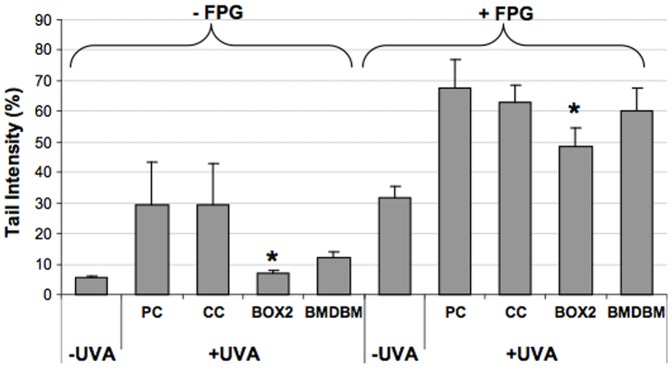
A set of new UV filters was synthesized, and the most photostable one was compared to BMDBM, a widely used UVA filter. Cultured human dermal fibroblasts were exposed to UVA radiation which was filtered by a base cream containing or not UV filters placed above cell culture wells. The endpoints measured were: cell viability (MTT assay), ROS generation (DCFH-DA assay), mitochondrial function (JC-1 assay), DNA integrity (Comet assay) and gene expression (MMP-1, COL1A1) by RT-qPCR.
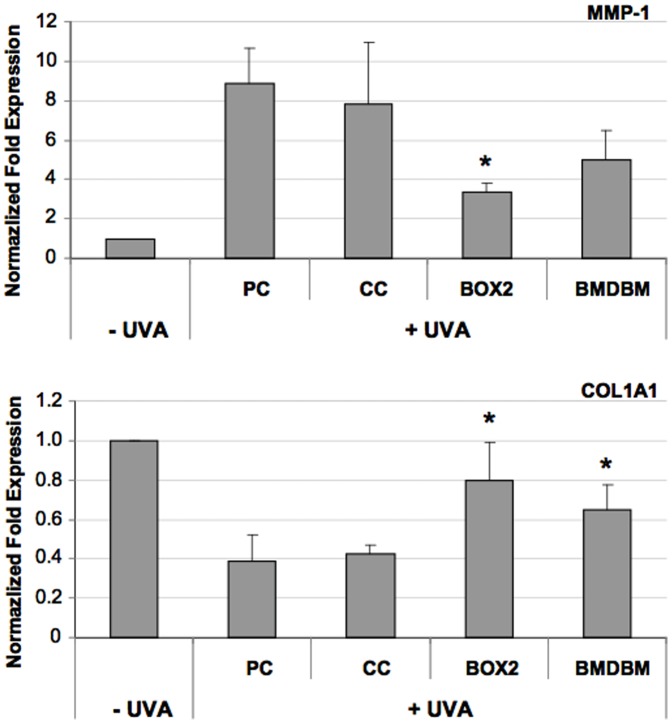
The new UV filter resulted more efficient than BMDBM in preserving cell viability, mitochondrial functionality and oxidative DNA damage, despite similar inhibition levels of intracellular ROS. Moreover, expression of genes involved in dermal photoageing were positively affected by the filtering action of the tested molecules.
The experimental model proposed was able to validate the efficacy of the new UV filter, taking into account important cellular events related to UV-induced intracellular oxidative stress, often underestimated in the assessments of these compounds.
The model may be used to compare the actual biological protection of commercial sunscreens and suncare products aside from their SPF and UVA-PF values.
阳光中的 UVA 射线能够到达真皮皮肤层,产生活性氧(ROS),导致氧化损伤、基因表达改变、DNA 损伤,进而引发细胞炎症、光老化/光致癌。防晒霜含有紫外线过滤剂作为活性成分,可吸收/反射/消散紫外线辐射:其效率取决于其光谱特性和光稳定性,这应反映在对底层皮肤的生物保护中。
一组新的紫外线过滤剂被合成,其中最稳定的一种与 BMDBM(一种广泛使用的 UVA 过滤剂)进行了比较。培养的人真皮成纤维细胞暴露于 UVA 辐射下,该辐射被含有或不含有紫外线过滤剂的基础霜过滤,放置在细胞培养孔上方。测量的终点包括:细胞活力(MTT 测定)、ROS 生成(DCFH-DA 测定)、线粒体功能(JC-1 测定)、DNA 完整性(彗星测定)和基因表达(MMP-1、COL1A1)通过 RT-qPCR。
尽管细胞内 ROS 的抑制水平相似,但新的紫外线过滤剂在保护细胞活力、线粒体功能和氧化 DNA 损伤方面比 BMDBM 更有效。此外,参与皮肤光老化的基因的表达受到测试分子过滤作用的积极影响。
所提出的实验模型能够验证新紫外线过滤剂的功效,同时考虑到与紫外线诱导的细胞内氧化应激相关的重要细胞事件,这些事件通常在这些化合物的评估中被低估。
该模型可用于比较商业防晒霜和防晒产品的实际生物保护,除了它们的 SPF 和 UVA-PF 值之外。