Keegan Raphael-John H, Lu Zhiren, Bogusz Jaimee M, Williams Jennifer E, Holick Michael F
Department of Medicine; Section of Endocrinology, Nutrition, and Diabetes; Vitamin D, Skin and Bone Research Laboratory; Boston University Medical Center; Boston, MA USA.
Dermatoendocrinol. 2013 Jan 1;5(1):165-76. doi: 10.4161/derm.23321.
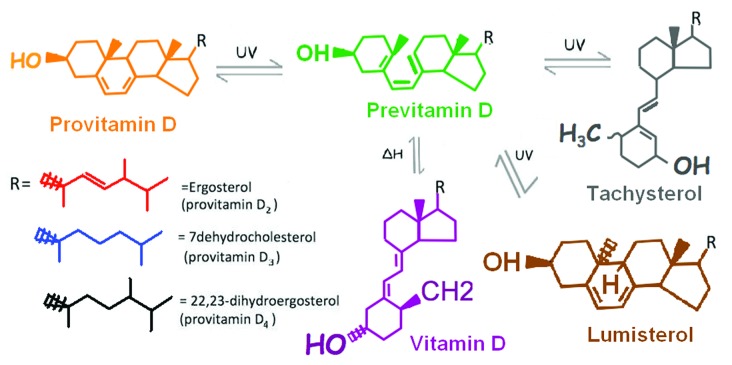
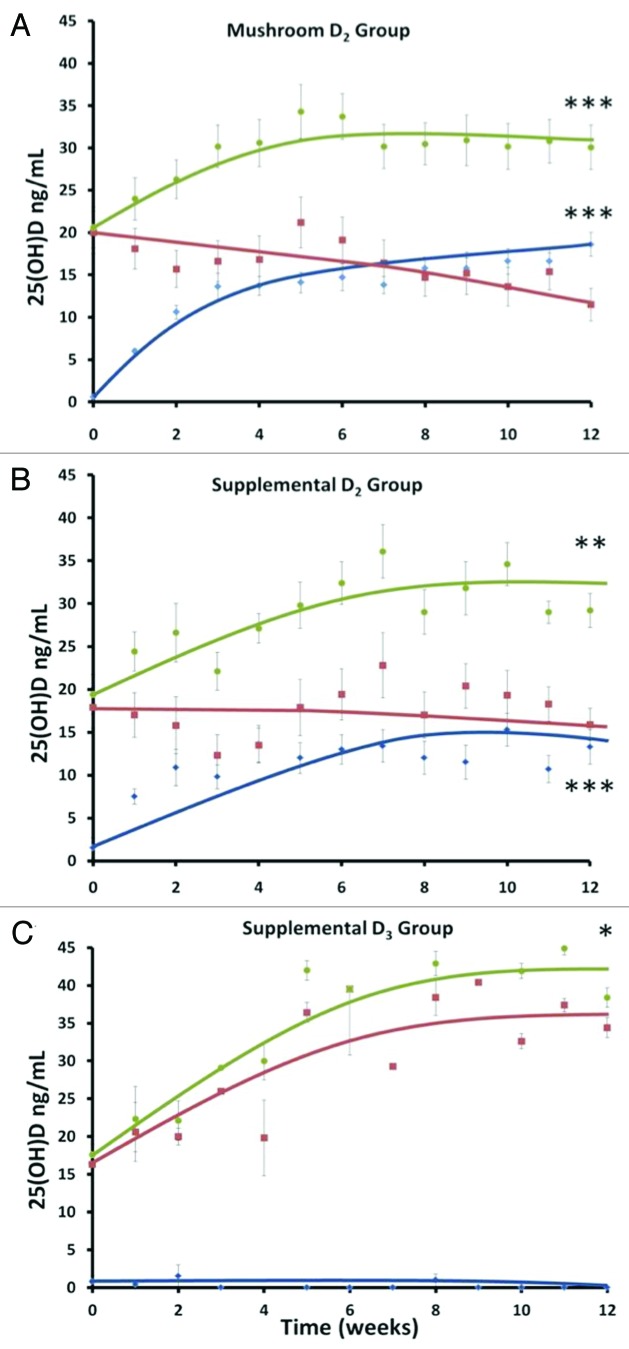
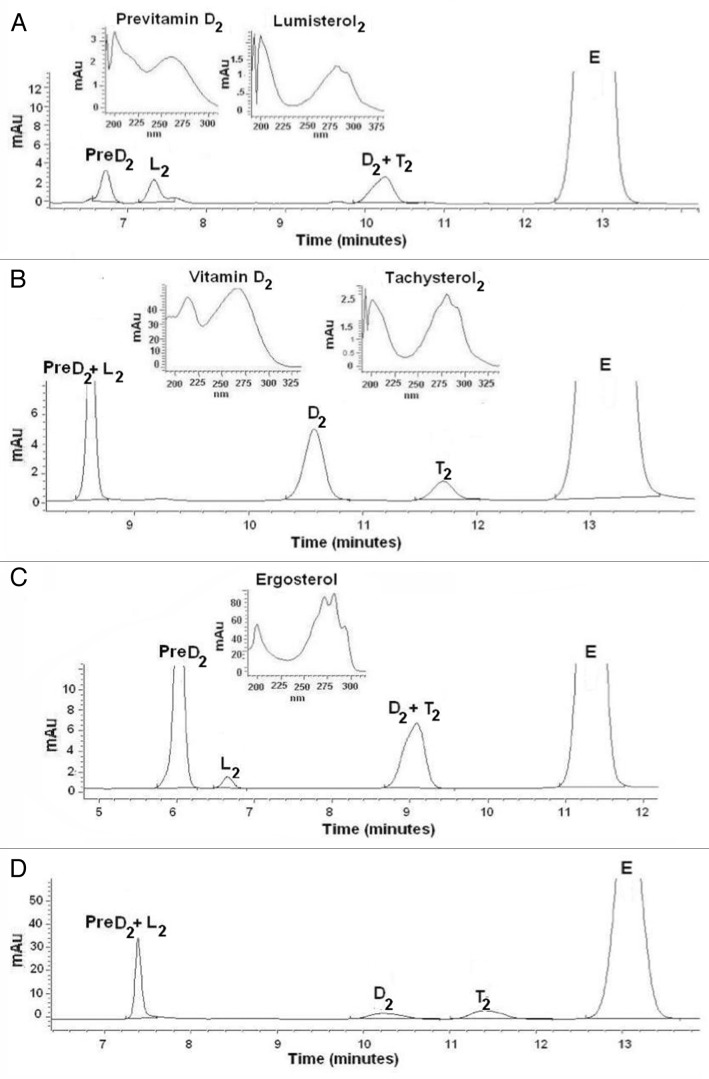
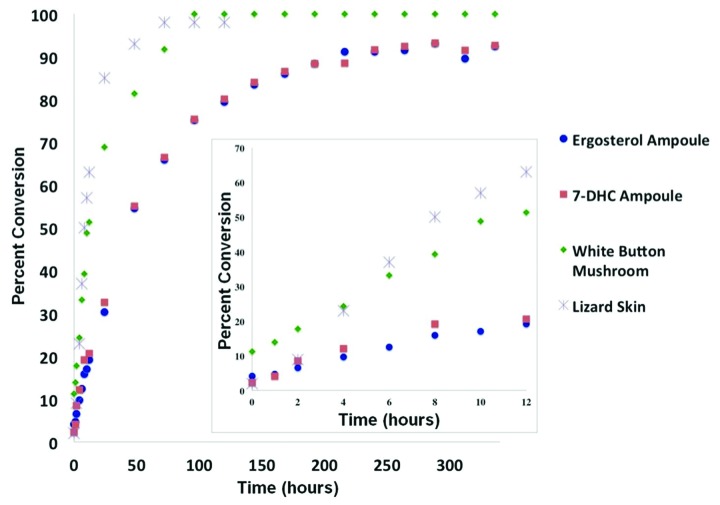
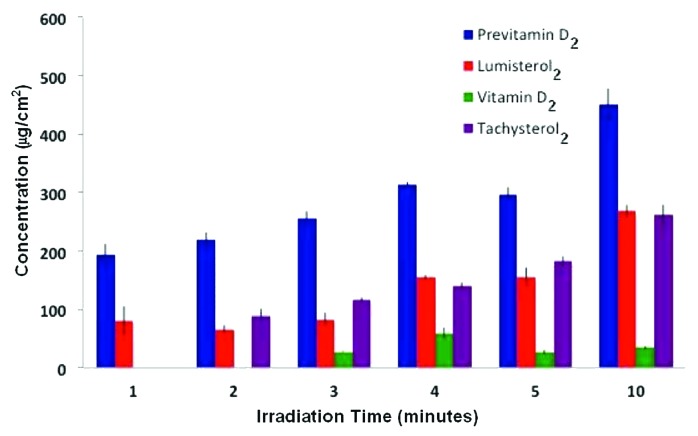
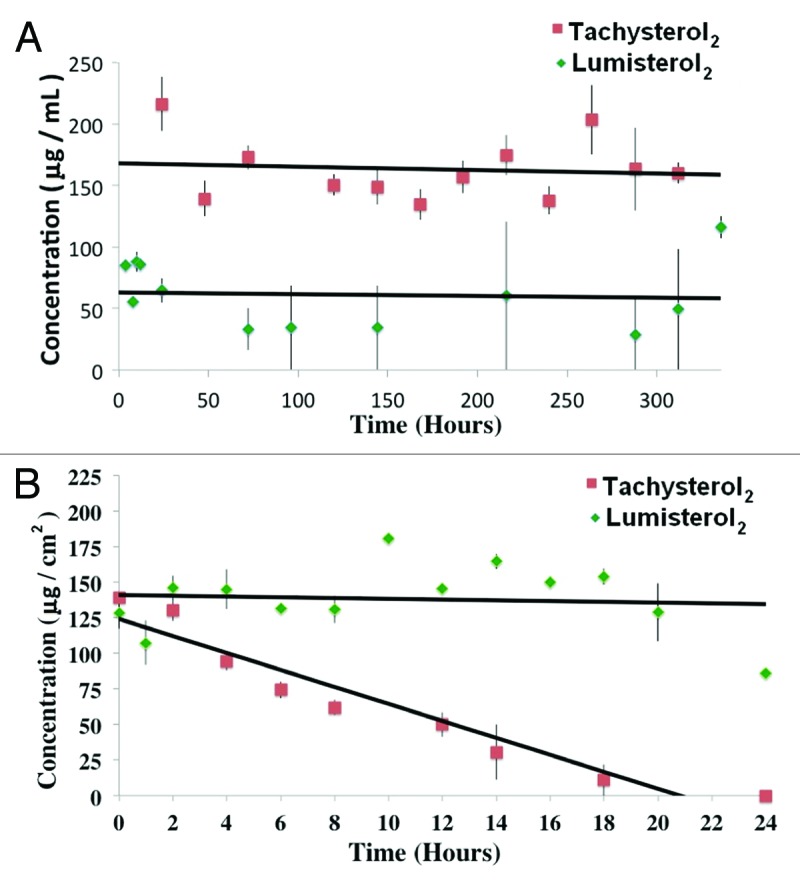
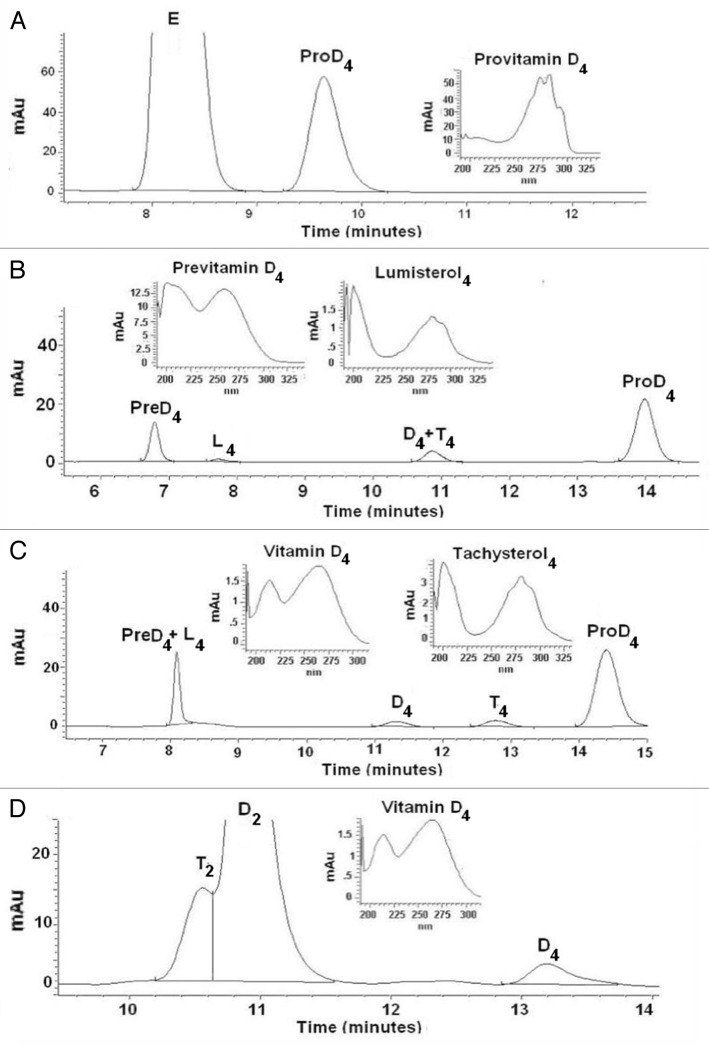
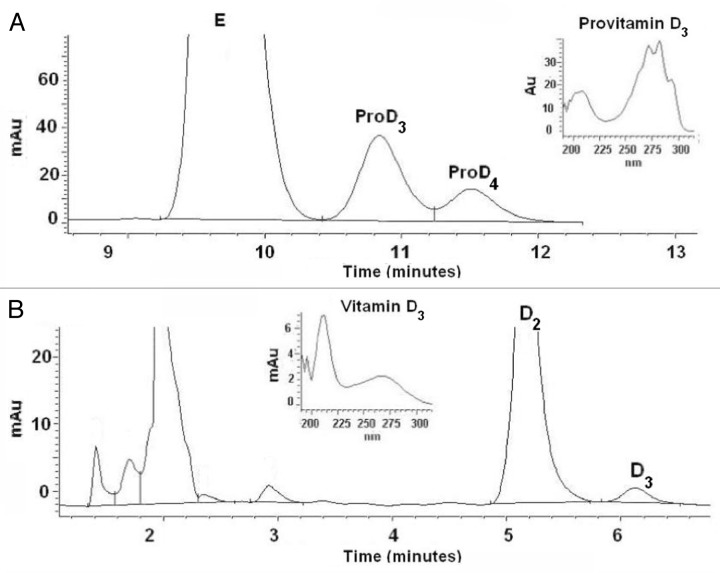
Mushrooms exposed to sunlight or UV radiation are an excellent source of dietary vitamin D2 because they contain high concentrations of the vitamin D precursor, provitamin D2. When mushrooms are exposed to UV radiation, provitamin D2 is converted to previtamin D2. Once formed, previtamin D2 rapidly isomerizes to vitamin D2 in a similar manner that previtamin D3 isomerizes to vitamin D3 in human skin. Continued exposure of mushrooms to UV radiation results in the production of lumisterol2 and tachysterol2. It was observed that the concentration of lumisterol2 remained constant in white button mushrooms for up to 24 h after being produced. However, in the same mushroom tachysterol2 concentrations rapidly declined and were undetectable after 24 h. Shiitake mushrooms not only produce vitamin D2 but also produce vitamin D3 and vitamin D4. A study of the bioavailability of vitamin D2 in mushrooms compared with the bioavailability of vitamin D2 or vitamin D3 in a supplement revealed that ingestion of 2000 IUs of vitamin D2 in mushrooms is as effective as ingesting 2000 IUs of vitamin D2 or vitamin D3 in a supplement in raising and maintaining blood levels of 25-hydroxyvitamin D which is a marker for a person's vitamin D status. Therefore, mushrooms are a rich source of vitamin D2 that when consumed can increase and maintain blood levels of 25-hydroxyvitamin D in a healthy range. Ingestion of mushrooms may also provide the consumer with a source of vitamin D3 and vitamin D4.
暴露在阳光或紫外线辐射下的蘑菇是膳食维生素D2的优质来源,因为它们含有高浓度的维生素D前体——维生素原D2。当蘑菇暴露于紫外线辐射时,维生素原D2会转化为前维生素D2。一旦形成,前维生素D2会以类似于人体皮肤中前维生素D3异构化为维生素D3的方式迅速异构化为维生素D2。蘑菇持续暴露在紫外线辐射下会产生速甾醇2和麦角甾醇2。据观察,白色纽扣蘑菇中速甾醇2的浓度在产生后长达24小时内保持恒定。然而,在同一蘑菇中,麦角甾醇2的浓度迅速下降,24小时后无法检测到。香菇不仅能产生维生素D2,还能产生维生素D3和维生素D4。一项关于蘑菇中维生素D2生物利用度与补充剂中维生素D2或维生素D3生物利用度的比较研究表明,摄入2000国际单位蘑菇中的维生素D2与摄入2000国际单位补充剂中的维生素D2或维生素D3在提高和维持血液中25-羟基维生素D水平方面效果相同,而25-羟基维生素D是一个人维生素D状态的指标。因此,蘑菇是维生素D2的丰富来源,食用后可将血液中25-羟基维生素D水平提高并维持在健康范围内。食用蘑菇还可能为消费者提供维生素D3和维生素D4的来源。