Cao Jian, Ni Julie, Ma Wenxiu, Shiu Vanessa, Milla Luis A, Park Sangbin, Spletter Maria L, Tang Sheng, Zhang Jun, Wei Xing, Kim Seung K, Scott Matthew P
Department of Developmental Biology, Stanford University School of Medicine, Stanford, California 94305.
Genetics. 2014 May;197(1):175-92. doi: 10.1534/genetics.113.160663. Epub 2014 Feb 20.
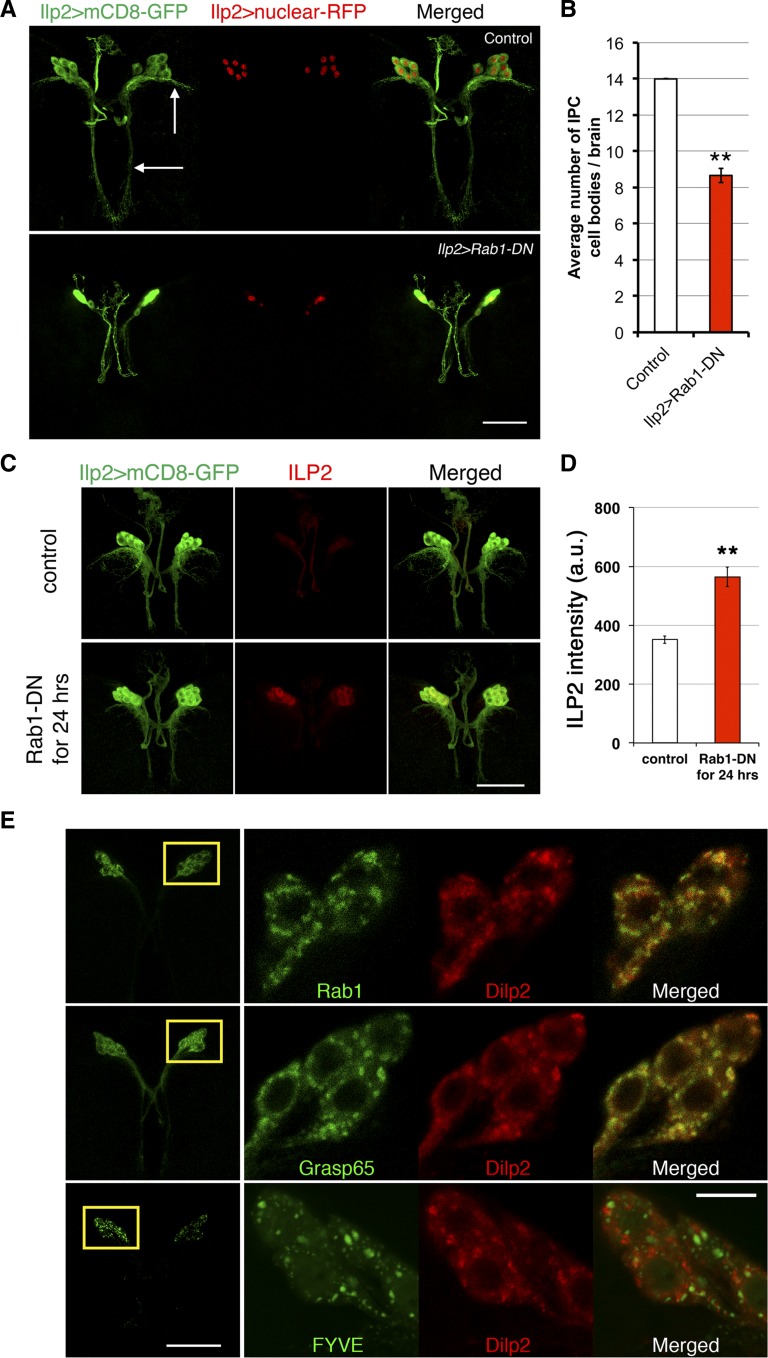
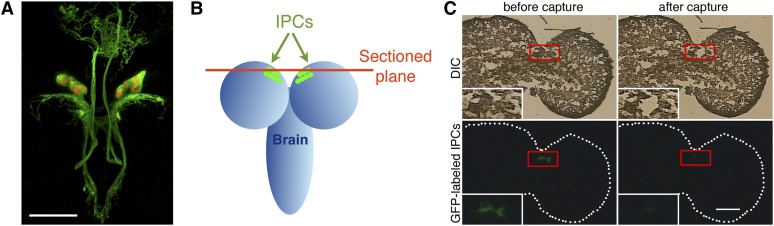
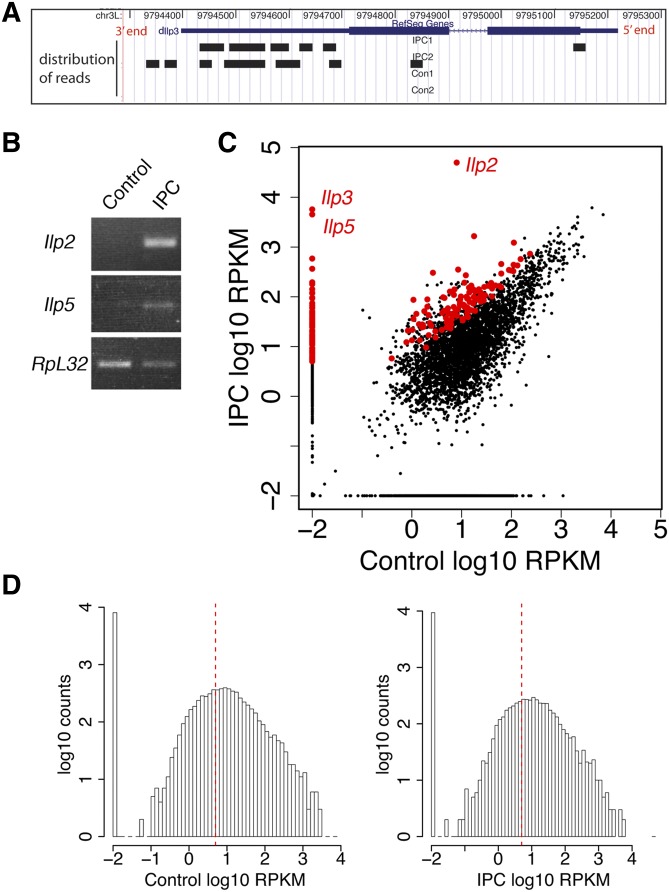
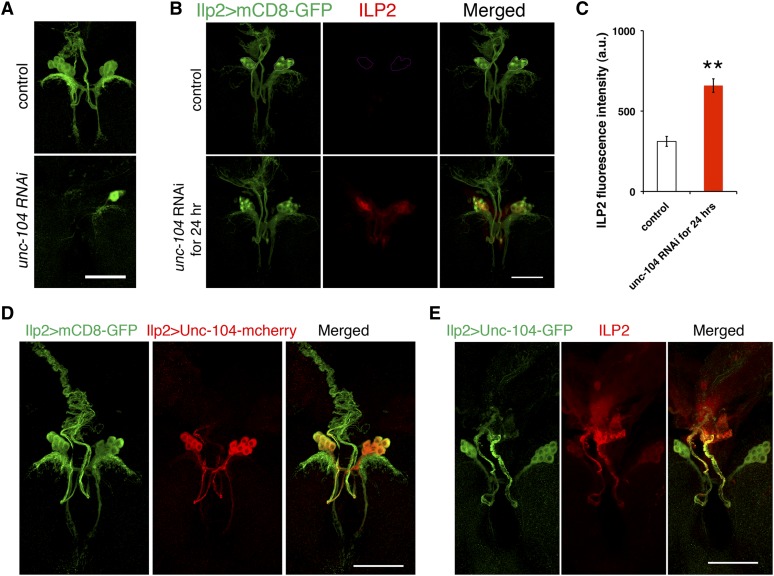
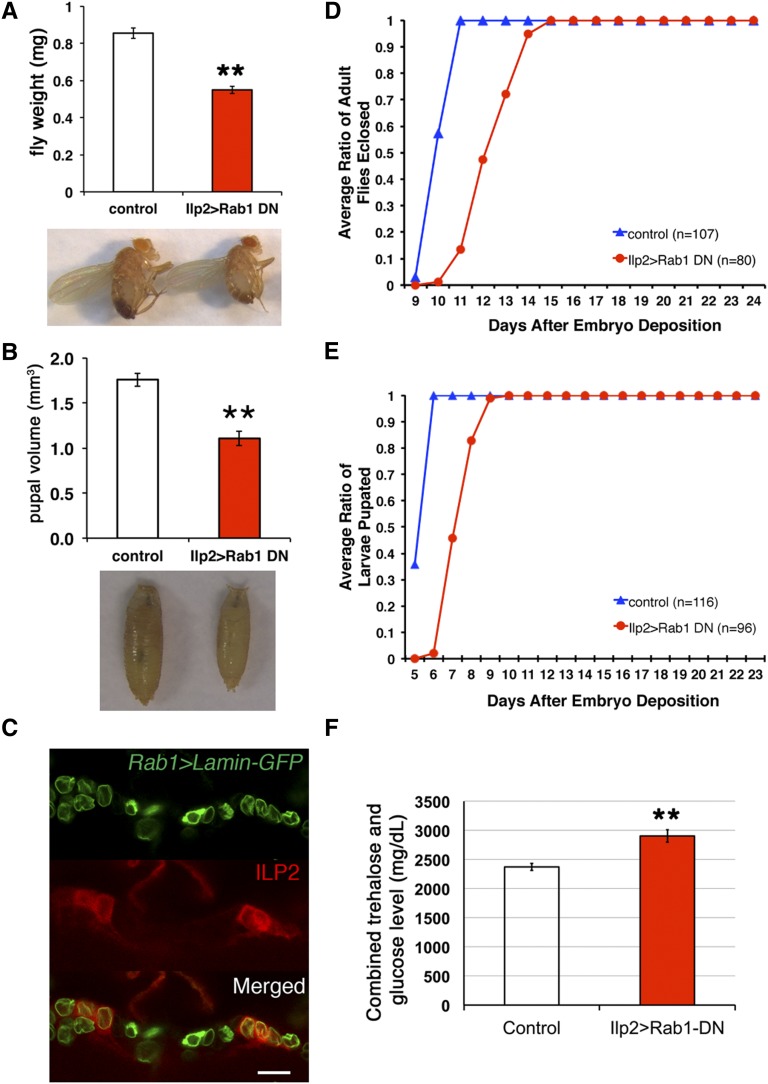
Insulin-producing cells (IPCs) in the Drosophila brain produce and release insulin-like peptides (ILPs) to the hemolymph. ILPs are crucial for growth and regulation of metabolic activity in flies, functions analogous to those of mammalian insulin and insulin-like growth factors (IGFs). To identify components functioning in IPCs to control ILP production, we employed genomic and candidate gene approaches. We used laser microdissection and messenger RNA sequencing to characterize the transcriptome of larval IPCs. IPCs highly express many genes homologous to genes active in insulin-producing β-cells of the mammalian pancreas. The genes in common encode ILPs and proteins that control insulin metabolism, storage, secretion, β-cell proliferation, and some not previously linked to insulin production or β-cell function. Among these novelties is unc-104, a kinesin 3 family gene, which is more highly expressed in IPCs compared to most other neurons. Knockdown of unc-104 in IPCs impaired ILP secretion and reduced peripheral insulin signaling. Unc-104 appears to transport ILPs along axons. As a complementary approach, we tested dominant-negative Rab genes to find Rab proteins required in IPCs for ILP production or secretion. Rab1 was identified as crucial for ILP trafficking in IPCs. Inhibition of Rab1 in IPCs increased circulating sugar levels, delayed development, and lowered weight and body size. Immunofluorescence labeling of Rab1 showed its tight association with ILP2 in the Golgi of IPCs. Unc-104 and Rab1 join other proteins required for ILP transport in IPCs.
果蝇大脑中产生胰岛素的细胞(IPCs)会产生胰岛素样肽(ILPs)并将其释放到血淋巴中。ILPs对于果蝇的生长和代谢活动调节至关重要,其功能类似于哺乳动物胰岛素和胰岛素样生长因子(IGFs)的功能。为了鉴定在IPCs中发挥作用以控制ILP产生的成分,我们采用了基因组学和候选基因方法。我们使用激光显微切割和信使核糖核酸测序来表征幼虫IPCs的转录组。IPCs高度表达许多与哺乳动物胰腺中产生胰岛素的β细胞中活跃的基因同源的基因。共同的基因编码ILPs和控制胰岛素代谢、储存、分泌、β细胞增殖的蛋白质,以及一些以前未与胰岛素产生或β细胞功能相关联的蛋白质。其中的新发现包括unc-104,一种驱动蛋白3家族基因,与大多数其他神经元相比,它在IPCs中的表达更高。在IPCs中敲低unc-104会损害ILP分泌并降低外周胰岛素信号传导。Unc-104似乎沿着轴突运输ILPs。作为一种补充方法,我们测试了显性负性Rab基因,以寻找IPCs中ILP产生或分泌所需的Rab蛋白。Rab1被确定为对IPCs中ILP运输至关重要。在IPCs中抑制Rab1会增加循环糖水平、延迟发育并降低体重和体型。Rab1的免疫荧光标记显示其在IPCs的高尔基体中与ILP2紧密结合。Unc-104和Rab1加入了IPCs中ILP运输所需的其他蛋白质。