National Laboratory of Industrial Microbiology,Department of Biology, Alzahra University, Tehran, Iran.
Department of Plant Molecular Biology, National Institute of Genetic Engineering and Biotechnology, Tehran, Iran.
Iran J Basic Med Sci. 2013 Dec;16(12):1245-53.
Objective(s) : Although bacteria and molds are the pioneering microorganisms for production of many enzymes, yet yeasts provide safe and reliable sources of enzymes with applications in food and feed.
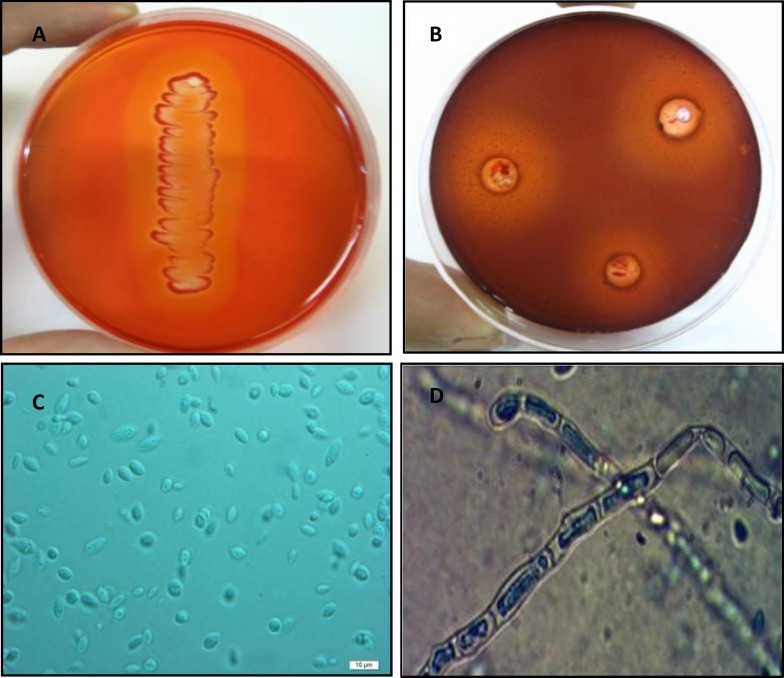
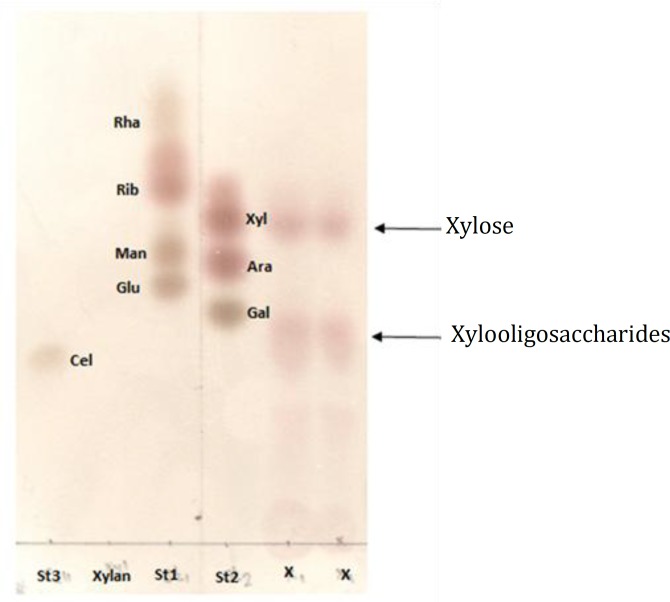
Single xylanase producer yeast was isolated from plant residues based on formation of transparent halo zones on xylan agar plates. The isolate showed much greater endo-1, 4-β-xylanase activity of 2.73 IU/ml after optimization of the initial extrinsic conditions. It was shown that the strain was also able to produce β-xylosidase (0.179 IU/ml) and α-arabinofuranosidase (0.063 IU/ml). Identification of the isolate was carried out and the endo-1, 4-β-xylanaseproduction by feeding the yeast cells on agro-industrial residues was optimized using one factor at a time approach.
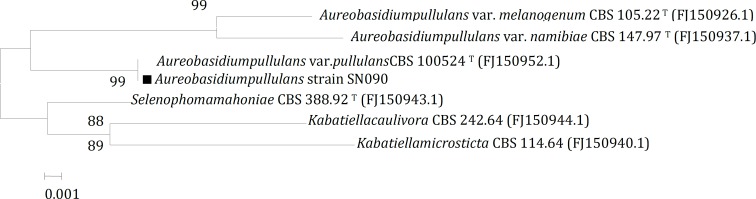
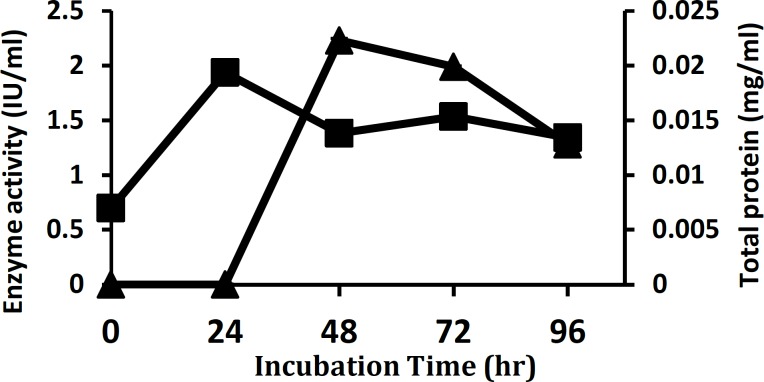
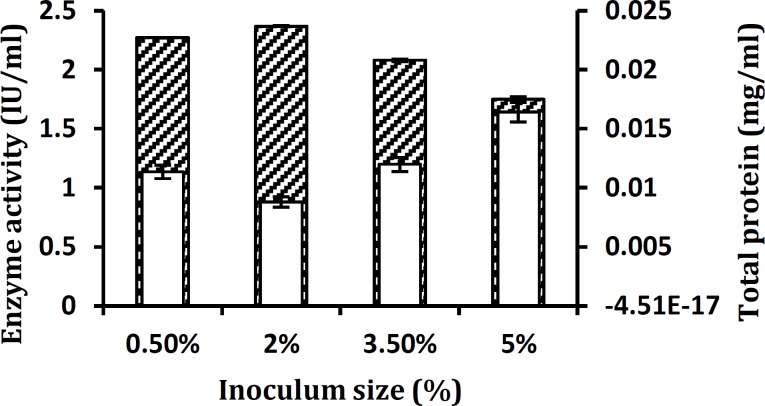
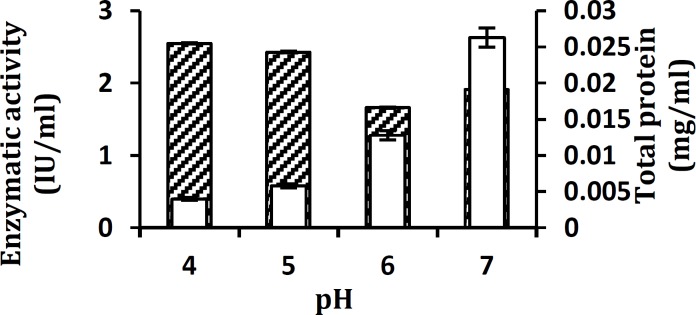
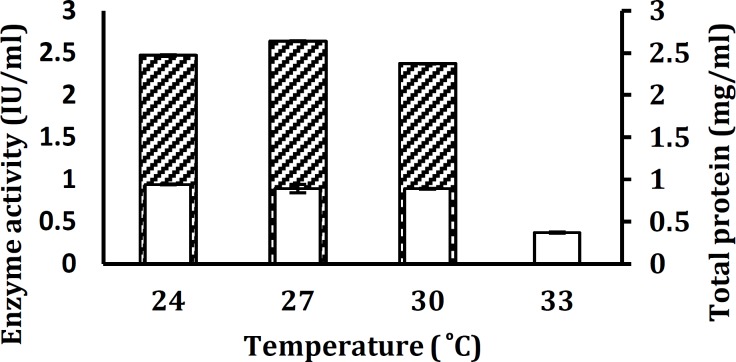
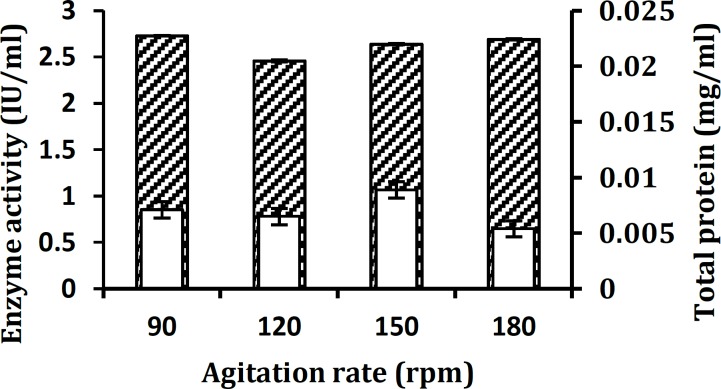
The enzyme producer strain was identified as Aureobasidiumpullulans. Based on the optimization approach, an incubation time of 48 hr at 27°C, inoculum size of 2% (v/v), initial pH value of 4 and agitation rate of 90 rpm were found to be the optimal conditions for achieving maximum yield of the enzyme. Xylan, containing agricultural residues, was evaluated as low-cost alternative carbon source for production of xylanolytic enzymes. The production of xylanase enzyme in media containing wheat bran as the sole carbon source was very similar to that of the medium containing pure beechwoodxylan.
This finding indicates the feasibility of growing of A. pullulans strain SN090 on wheat bran as an alternate economical substrate in order for reducing the costs of enzyme production and using this fortified agro-industrial byproduct in formulation of animal feed.
目的(S):虽然细菌和霉菌是许多酶生产的先驱微生物,但酵母为酶的生产提供了安全可靠的来源,可应用于食品和饲料。
根据木聚糖琼脂平板上形成透明晕圈的情况,从植物残渣中分离出单一木聚糖酶产生酵母。在优化初始外在条件后,该分离株的内切 1,4-β-木聚糖酶活性达到 2.73IU/ml。结果表明,该菌株还能够产生β-木糖苷酶(0.179IU/ml)和α-阿拉伯呋喃糖苷酶(0.063IU/ml)。对分离株进行了鉴定,并采用单因素法优化了酵母细胞在农业工业残渣上的内切 1,4-β-木聚糖酶生产。
酶产生菌株被鉴定为出芽短梗霉。基于优化方法,在 27°C 下培养 48 小时、接种量为 2%(v/v)、初始 pH 值为 4 和搅拌速度为 90rpm 的条件被发现是获得最大酶产量的最佳条件。含有农业残渣的木聚糖被评估为生产木聚糖酶的低成本替代碳源。在以麦麸为唯一碳源的培养基中生产木聚糖酶的情况与以纯山毛榉木聚糖为唯一碳源的培养基非常相似。
这一发现表明,在以麦麸为替代经济基质的情况下,生长 A. pullulans SN090 菌株的可行性,以降低酶生产的成本,并在动物饲料的配方中使用这种强化的农业工业副产品。