Williams Sarah K, Maier Olaf, Fischer Roman, Fairless Richard, Hochmeister Sonja, Stojic Aleksandar, Pick Lara, Haar Doreen, Musiol Sylvia, Storch Maria K, Pfizenmaier Klaus, Diem Ricarda
Department of Neuro-oncology, University Clinic Heidelberg, Heidelberg, Germany.
Institute of Cell Biology and Immunology, University of Stuttgart, Stuttgart, Germany.
PLoS One. 2014 Feb 28;9(2):e90117. doi: 10.1371/journal.pone.0090117. eCollection 2014.
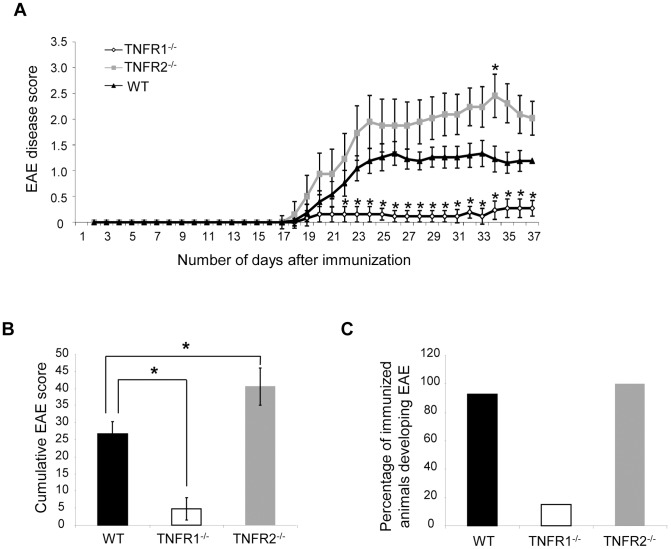
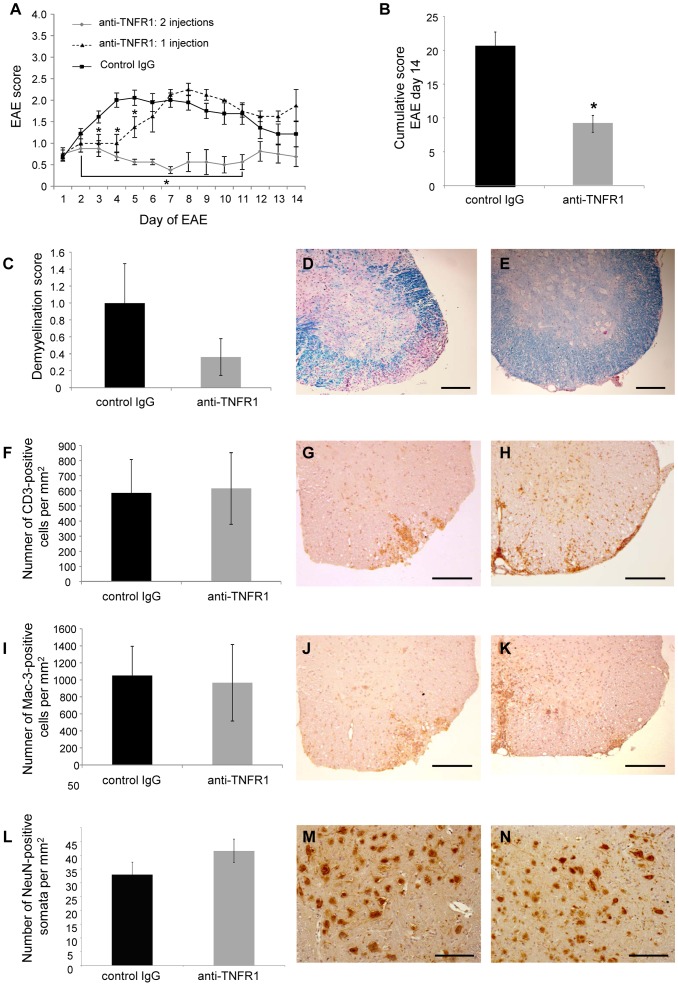
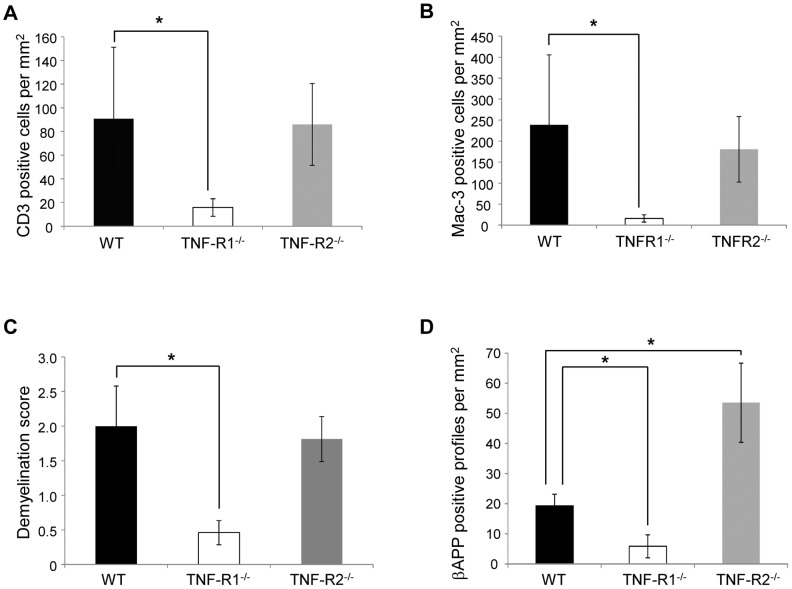
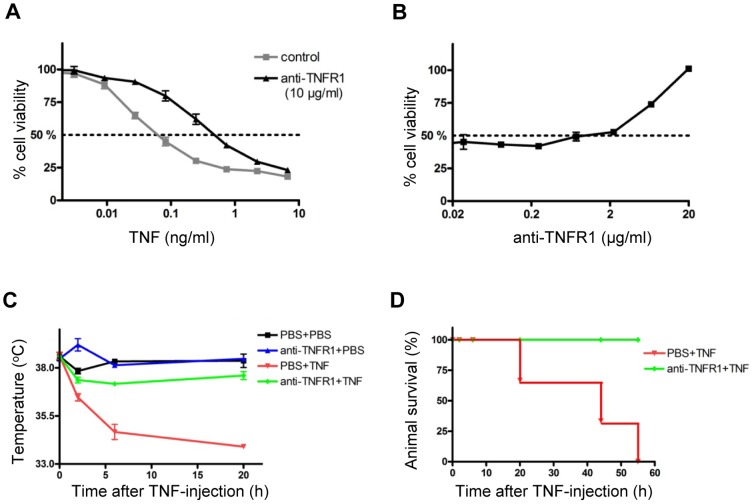
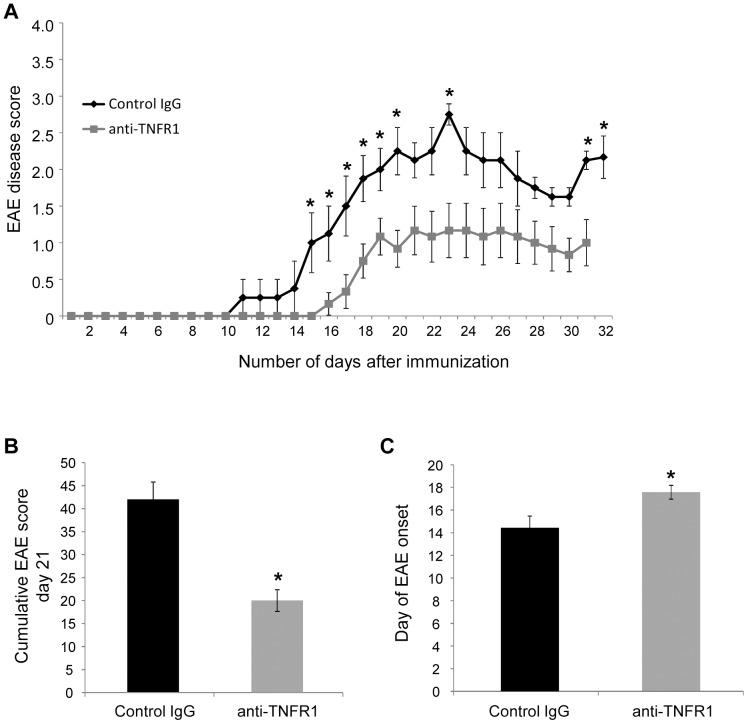
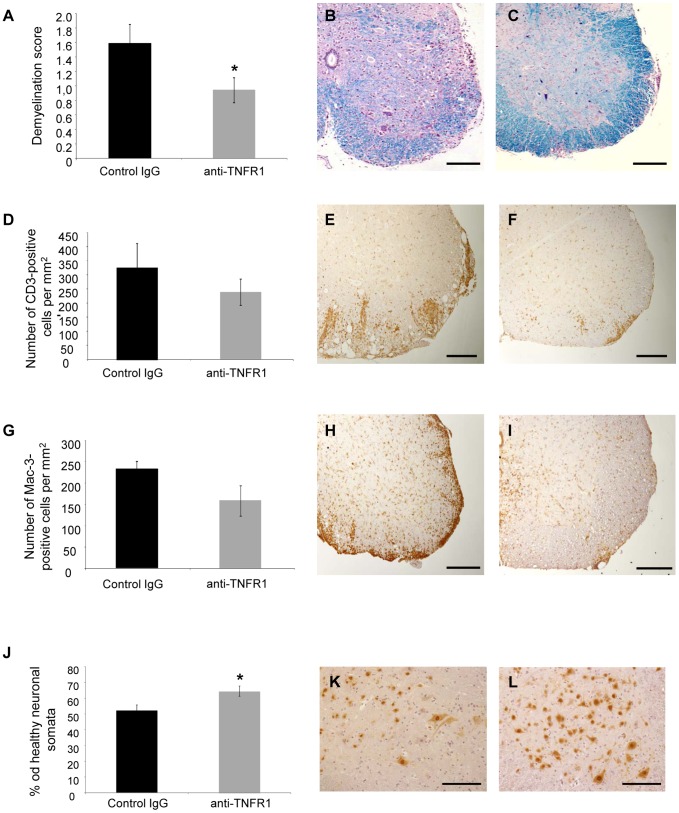
Tumour necrosis factor (TNF) is a proinflammatory cytokine that is known to regulate inflammation in a number of autoimmune diseases, including multiple sclerosis (MS). Although targeting of TNF in models of MS has been successful, the pathological role of TNF in MS remains unclear due to clinical trials where the non-selective inhibition of TNF resulted in exacerbated disease. Subsequent experiments have indicated that this may have resulted from the divergent effects of the two TNF receptors, TNFR1 and TNFR2. Here we show that the selective targeting of TNFR1 with an antagonistic antibody ameliorates symptoms of the most common animal model of MS, experimental autoimmune encephalomyelitis (EAE), when given following both a prophylactic and therapeutic treatment regime. Our results demonstrate that antagonistic TNFR1-specific antibodies may represent a therapeutic approach for the treatment of MS in the future.
肿瘤坏死因子(TNF)是一种促炎细胞因子,已知其在包括多发性硬化症(MS)在内的多种自身免疫性疾病中调节炎症。尽管在MS模型中靶向TNF已取得成功,但由于临床试验中对TNF的非选择性抑制导致疾病加重,TNF在MS中的病理作用仍不清楚。随后的实验表明,这可能是由于两种TNF受体TNFR1和TNFR2的不同作用所致。在这里,我们表明,当采用预防性和治疗性治疗方案给药时,用拮抗抗体选择性靶向TNFR1可改善MS最常见动物模型实验性自身免疫性脑脊髓炎(EAE)的症状。我们的结果表明,拮抗TNFR1特异性抗体可能代表未来治疗MS的一种治疗方法。