Razak Nur Inani Abdul, Ibrahim Nor Azowa, Zainuddin Norhazlin, Rayung Marwah, Saad Wan Zuhainis
Department of Chemistry, Faculty of Science, Universiti Putra Malaysia, 43400 Serdang, Selangor, Malaysia.
Department of Microbiology, Faculty of Biotechnology and Biomolecular Sciences, Universiti Putra Malaysia, 43400 Serdang, Selangor, Malaysia.
Molecules. 2014 Mar 7;19(3):2957-68. doi: 10.3390/molecules19032957.
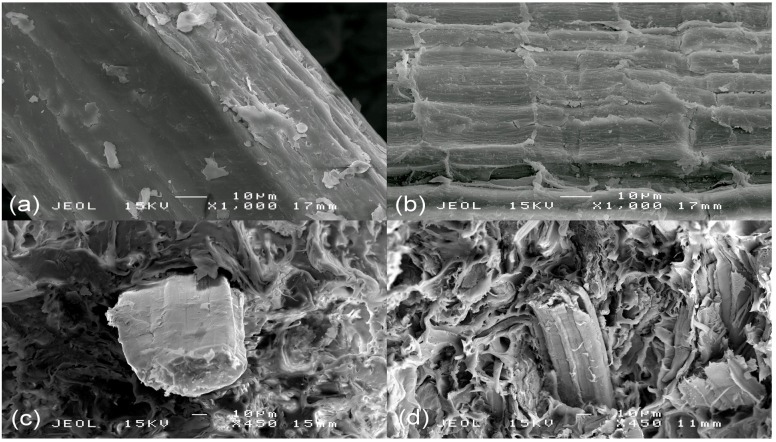
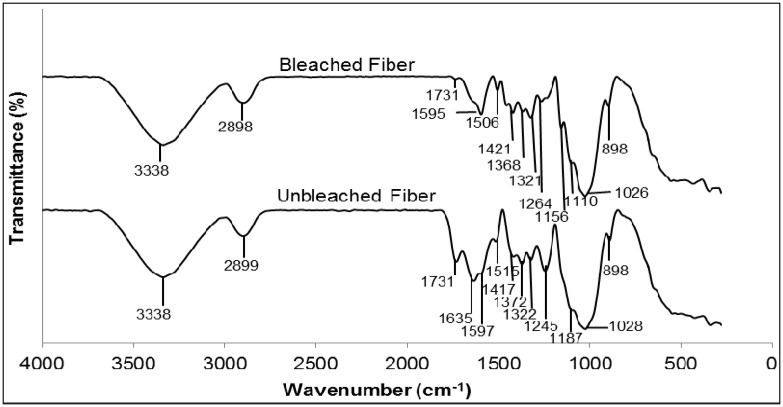
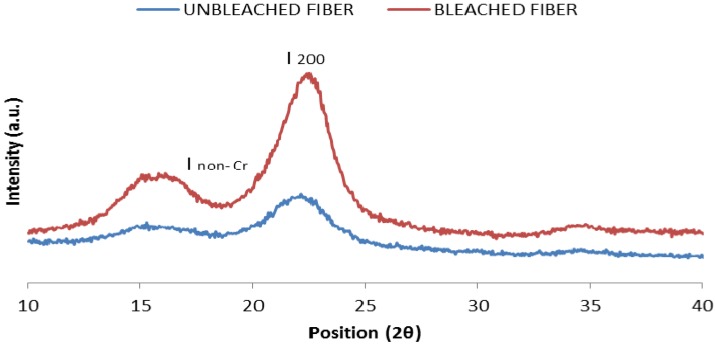
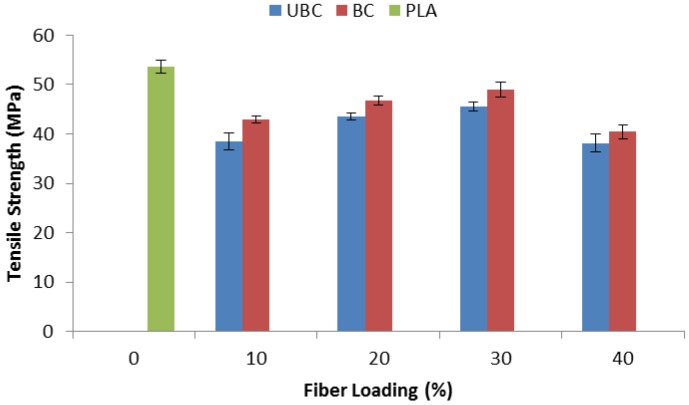
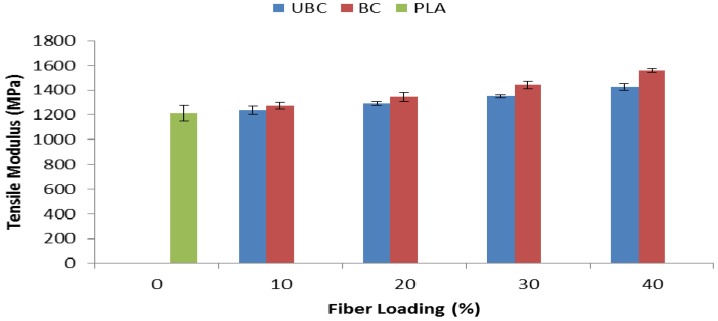
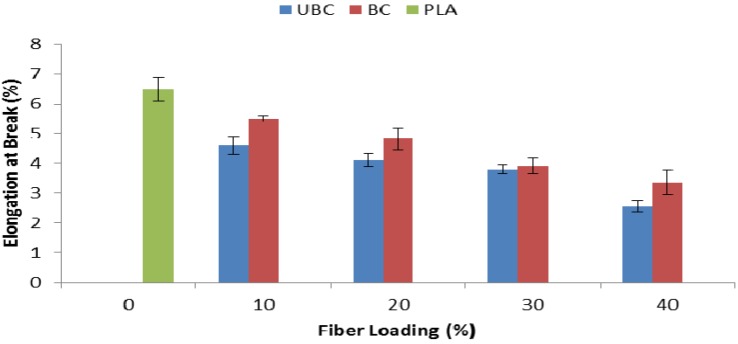
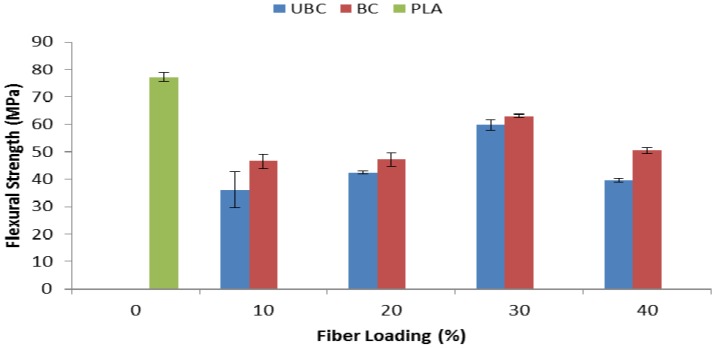
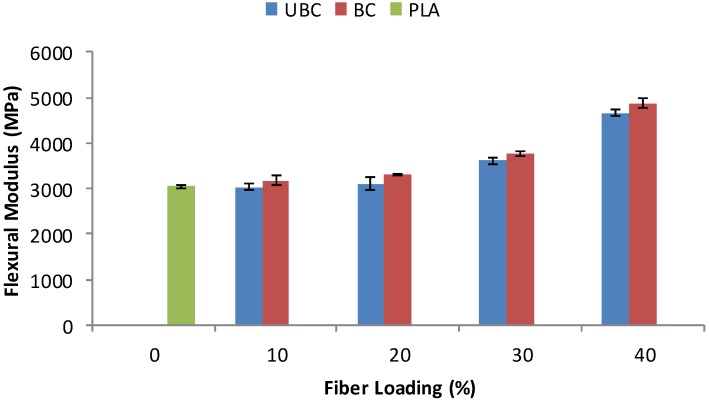
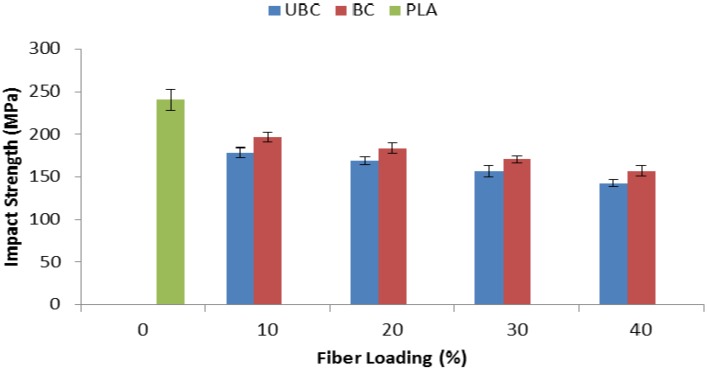
Bleaching treatment of kenaf fiber was performed in alkaline medium containing hydrogen peroxide solution maintained at pH 11 and 80 °C for 60 min. The bleached kenaf fiber was analyzed using Fourier Transform Infrared (FTIR) and X-ray Diffraction (XRD) analysis. The bleached kenaf fiber was then compounded with poly-(lactic acid) (PLA) via a melt blending method. The mechanical (tensile, flexural and impact) performance of the product was tested. The fiber treatment improved the mechanical properties of PLA/bleached kenaf fiber composites. Scanning electron micrograph (SEM) morphological analysis showed improvement of the interfacial adhesion between the fiber surface and polymer matrix.
在含有过氧化氢溶液的碱性介质中对红麻纤维进行漂白处理,该碱性介质的pH值保持在11,温度为80℃,持续60分钟。使用傅里叶变换红外光谱(FTIR)和X射线衍射(XRD)分析对漂白后的红麻纤维进行分析。然后通过熔融共混法将漂白后的红麻纤维与聚乳酸(PLA)进行复合。对产品的机械性能(拉伸、弯曲和冲击)进行测试。纤维处理改善了聚乳酸/漂白红麻纤维复合材料的机械性能。扫描电子显微镜(SEM)形态分析表明,纤维表面与聚合物基体之间的界面粘附性得到了改善。