Bowen Katharine L, Morgan Joanne E, Moore Simon C, van Goozen Stephanie H M
School of Psychology, Cardiff University, Tower Building, Park Place, Cardiff, CF10 3AT UK.
School of Dentistry, Cardiff University, Cardiff, CF14 4XY UK.
J Psychopathol Behav Assess. 2014;36(1):60-73. doi: 10.1007/s10862-013-9368-z.
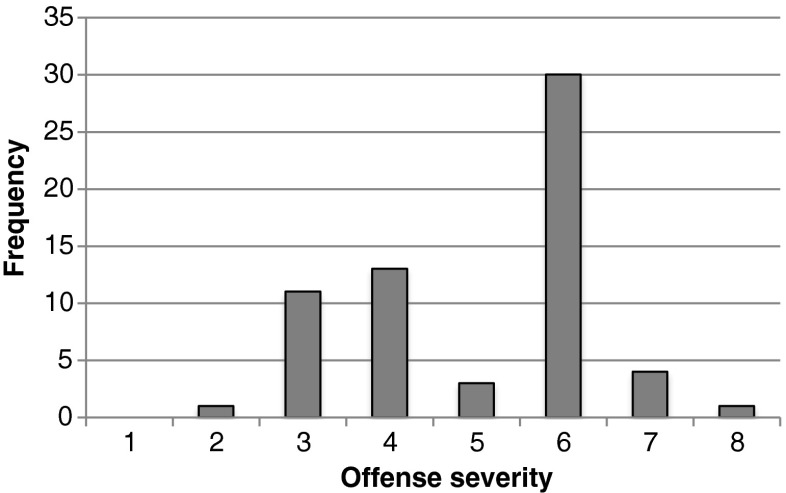
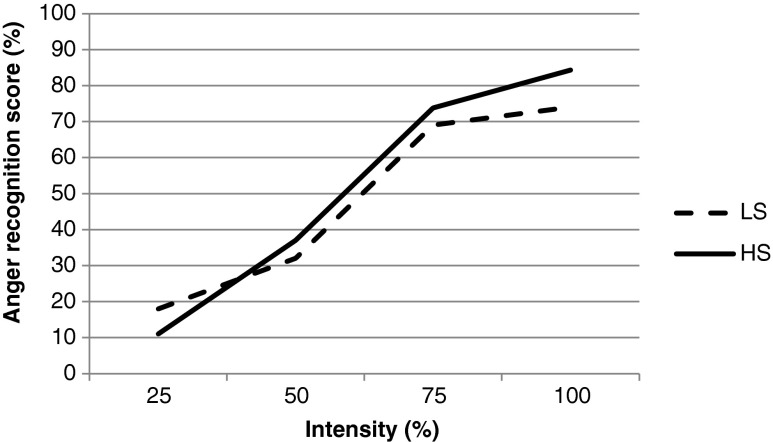
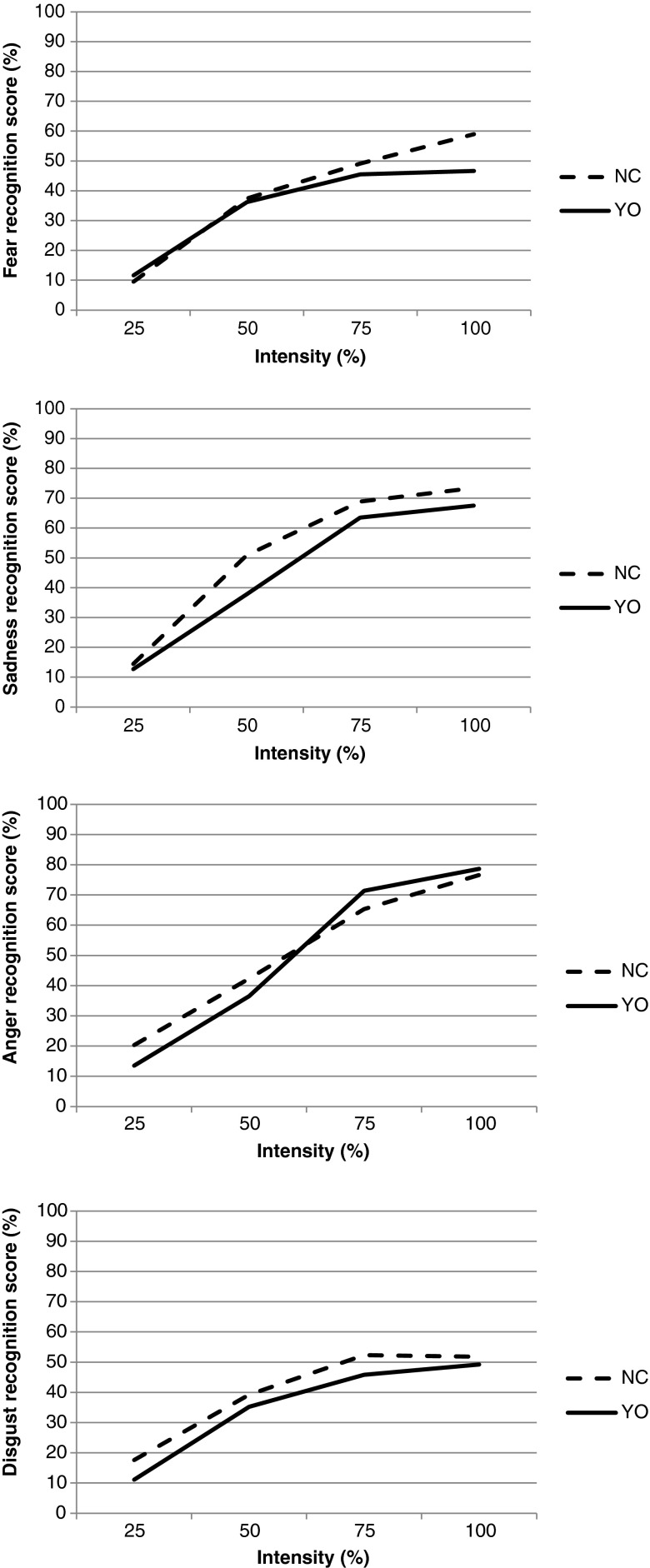
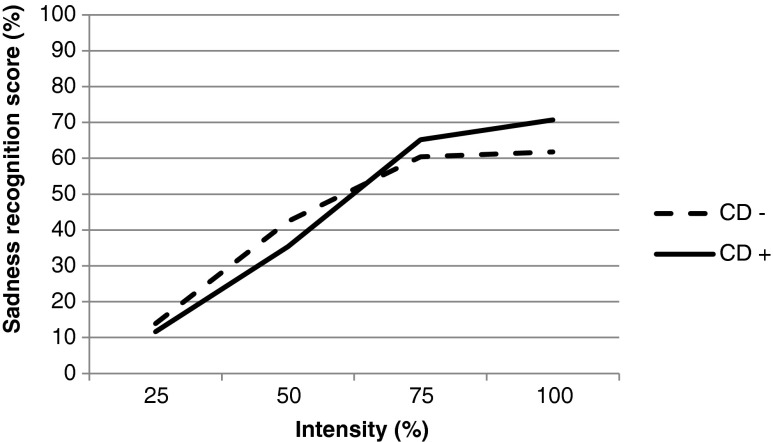
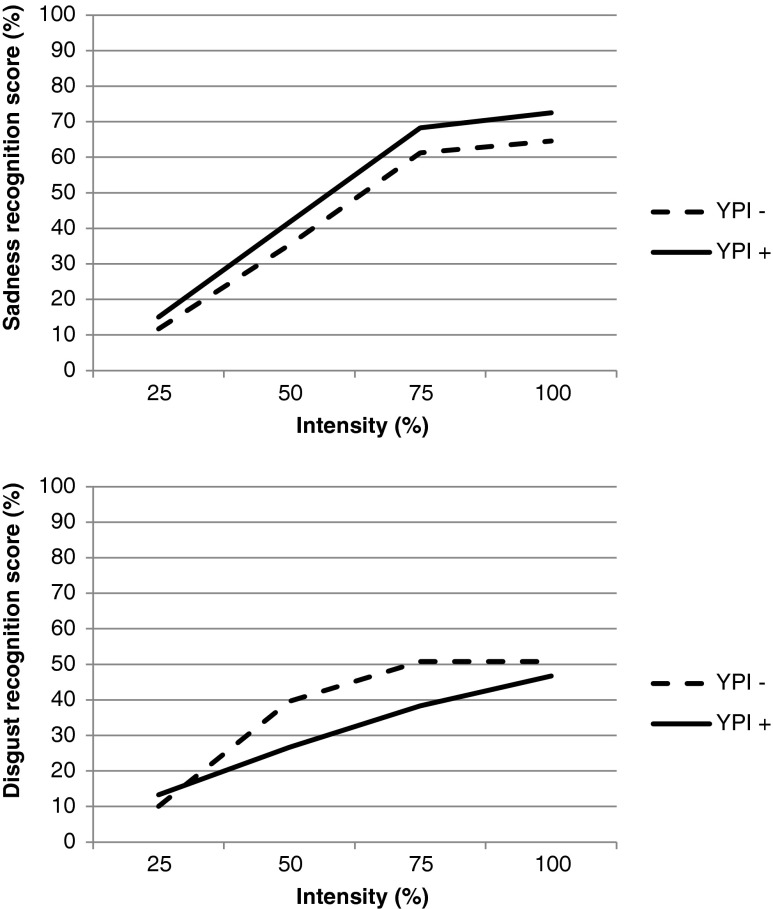
Antisocial individuals have problems recognizing negative emotions (e.g. Marsh & Blair in Neuroscience and Biobehavioral Reviews 32:454-465, 2009); however, due to issues with sampling and different methods used, previous findings have been varied. Sixty-three male young offenders and 37 age-, IQ- and socio-economic status-matched male controls completed a facial emotion recognition task, which measures recognition of happiness, sadness, fear, anger, disgust, and surprise and neutral expressions across 4 emotional intensities. Conduct disorder (YSR), and psychopathic and callous/unemotional traits (YPI) were measured, and offenders' offense data were taken from the Youth Offending Service's case files. Relative to controls, offenders were significantly worse at identifying sadness, low intensity disgust and high intensity fear. A significant interaction for anger was also observed, with offenders showing reduced low- but increased high-intensity anger recognition in comparison with controls. Within the young offenders levels of conduct disorder and psychopathic traits explained variation in sadness and disgust recognition, whereas offense severity explained variation in anger recognition. These results suggest that antisocial youths show specific problems in recognizing negative emotions and support the use of targeted emotion recognition interventions for problematic behavior.
反社会个体在识别负面情绪方面存在问题(例如,Marsh和Blair,《神经科学与生物行为评论》,32:454 - 465,2009年);然而,由于抽样问题和所使用的不同方法,先前的研究结果各不相同。63名男性青少年罪犯和37名年龄、智商和社会经济地位相匹配的男性对照组完成了一项面部情绪识别任务,该任务测量对幸福、悲伤、恐惧、愤怒、厌恶、惊讶以及4种情绪强度下的中性表情的识别。测量了品行障碍(青年自我报告)以及精神病态和冷酷/无情特质(青年精神病态特质问卷),罪犯的犯罪数据来自青少年犯罪服务机构的案件档案。与对照组相比,罪犯在识别悲伤、低强度厌恶和高强度恐惧方面明显更差。还观察到愤怒方面的显著交互作用,与对照组相比,罪犯识别低强度愤怒的能力下降,但识别高强度愤怒的能力增强。在青少年罪犯中,品行障碍和精神病态特质水平解释了悲伤和厌恶识别方面的差异,而犯罪严重程度解释了愤怒识别方面的差异。这些结果表明,反社会青少年在识别负面情绪方面存在特定问题,并支持针对问题行为使用有针对性的情绪识别干预措施。