Gomes Maria João, Martins Susana, Ferreira Domingos, Segundo Marcela A, Reis Salette
REQUIMTE, Laboratory of Applied Chemistry, Department of Chemical Sciences, Faculty of Pharmacy, University of Porto, Porto, Portugal.
Laboratory of Pharmaceutical Technology, Department of Drug Sciences, Faculty of Pharmacy, University of Porto, Porto, Portugal ; Department of Physics, Chemistry and Pharmacy, University of Southern Denmark, Odense, Denmark.
Int J Nanomedicine. 2014 Mar 7;9:1231-42. doi: 10.2147/IJN.S45561. eCollection 2014.
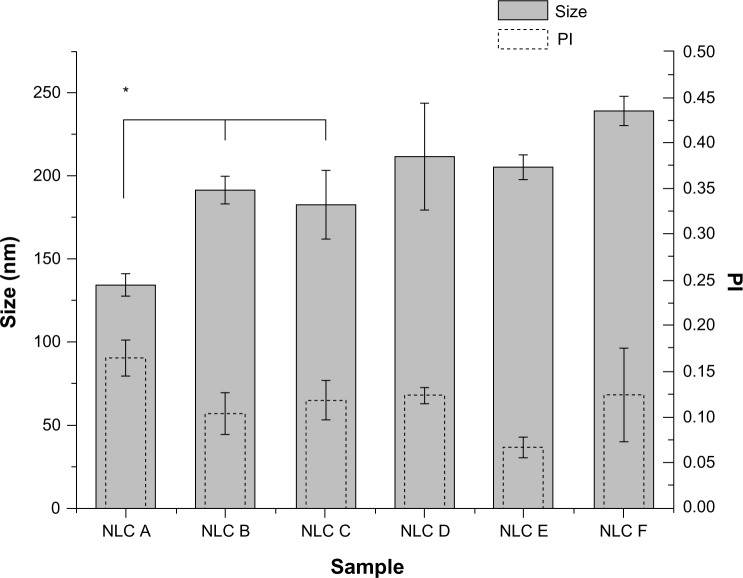
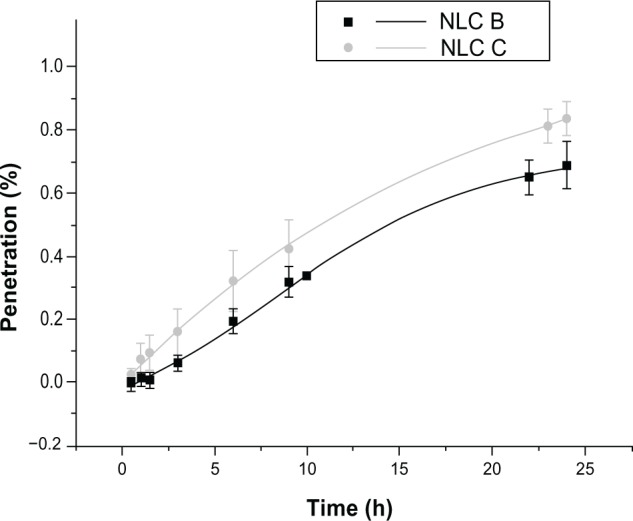
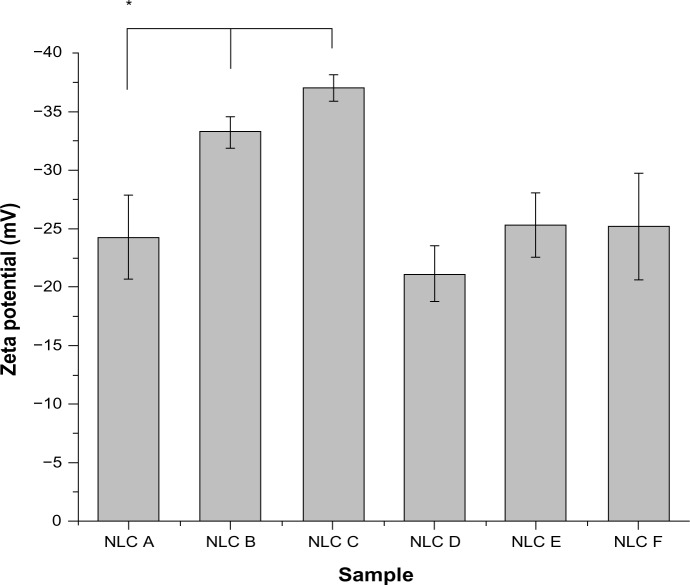
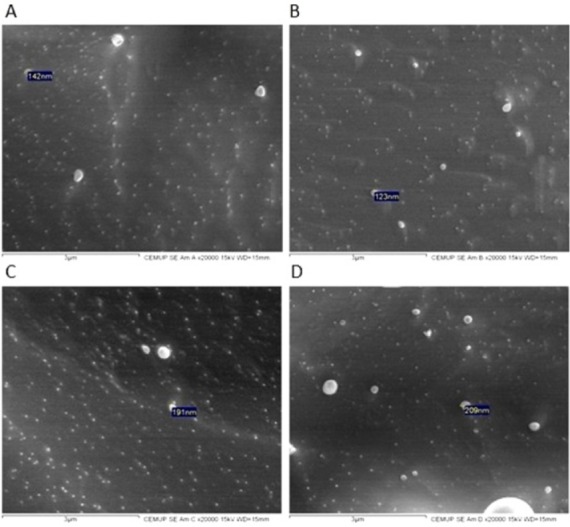
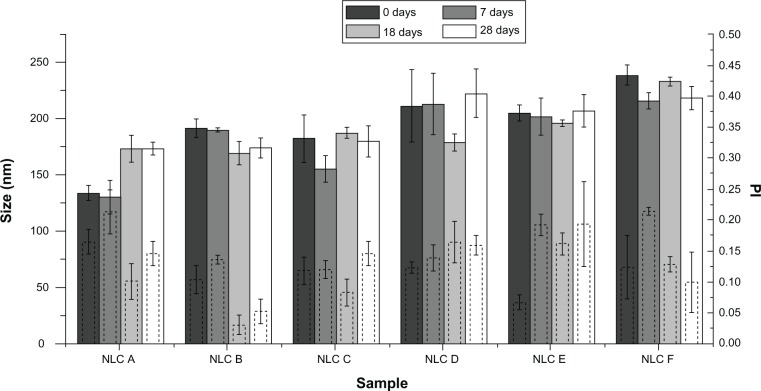
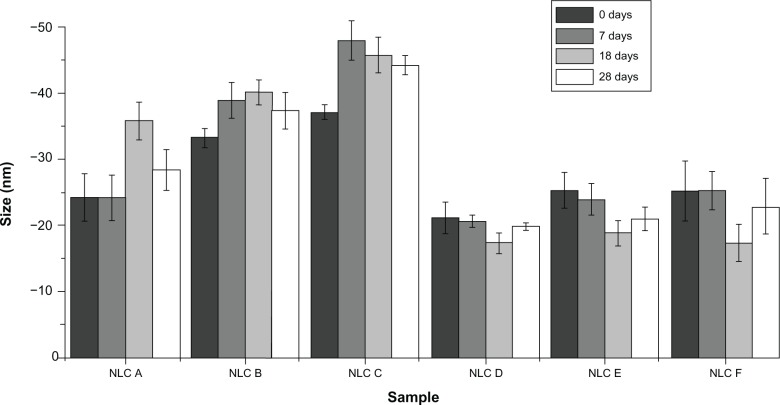
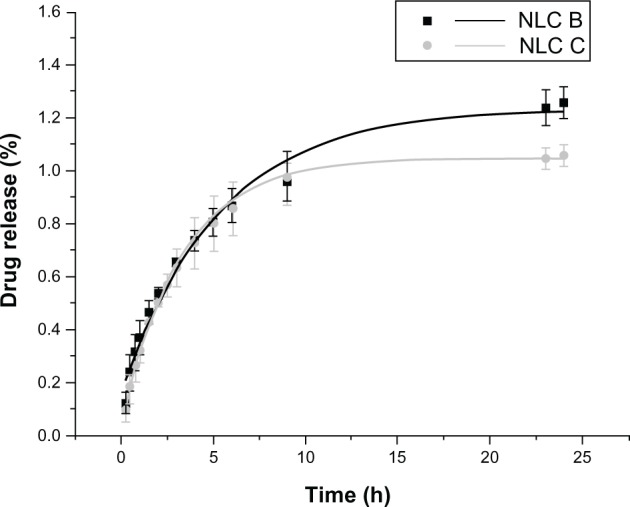
Alopecia is a dermatological disorder, commonly known as hair loss, which affects up to half of the Caucasian male population by middle age, and almost all (95%) Caucasian men by old age. Considering that alopecia affects so many people and that there is currently no scientifically proven treatment with few side effects, new drug-delivery systems able to improve alopecia therapy are urgently required. With this purpose in mind, the present study aimed to develop lipid nanoparticles (nanostructured lipid carriers) with the ability to incorporate and deliver anti-alopecia active compounds (minoxidil and finasteride) into the dermis and hair follicles. Lipid nanoparticles, prepared by ultrasonication method, showed mean particle sizes around 200 nm, which is sufficient for reaching the dermis and hair follicles, and zeta potential values around -30 mV, which indicates good physical stability. Over 28 days of storage, no significant variations in these parameters were observed, which indicates that all nanoformulations are stable in storage over that period. Cryo-scanning electron microscope measurements showed that all the lipid nanoparticles exhibited a spherical shape and a smooth surface regardless of their composition. Differential scanning calorimetry studies allowed the determination of phase transition temperatures and confirmed the recrystallization of the lipid nanoparticles (recrystallization index between 11% and 86%). A high loading efficiency was achieved for finasteride (between 70% and 90%), while less than 30% was achieved for minoxidil nanoparticles, over 28 days. Controlled release assays in physiological conditions demonstrated that nanoparticles loaded with minoxidil yielded a prolonged release, as desired. Penetration assays through pig ear skin demonstrated that nanoparticles loaded with minoxidil and finasteride had low levels of penetration. These results suggest that the proposed novel formulation presents several good characteristics indicating their suitability for dermal delivery of anti-alopecia active compounds.
脱发是一种皮肤病,俗称掉发,中年时影响多达一半的白种男性人群,老年时几乎影响所有(95%)白种男性。鉴于脱发影响如此多的人,且目前尚无经科学验证且副作用少的治疗方法,迫切需要能够改善脱发治疗的新型药物递送系统。出于这一目的,本研究旨在开发具有将抗脱发活性化合物(米诺地尔和非那雄胺)包封并递送至真皮和毛囊能力的脂质纳米粒(纳米结构脂质载体)。通过超声法制备的脂质纳米粒显示平均粒径约为200 nm,足以到达真皮和毛囊,zeta电位值约为 -30 mV,表明具有良好的物理稳定性。在储存28天期间,未观察到这些参数有显著变化,这表明所有纳米制剂在该期间储存稳定。冷冻扫描电子显微镜测量表明,所有脂质纳米粒无论其组成如何均呈现球形且表面光滑。差示扫描量热法研究可确定相变温度,并证实脂质纳米粒的重结晶(重结晶指数在11%至86%之间)。28天内,非那雄胺的载药效率较高(在70%至90%之间),而米诺地尔纳米粒的载药效率低于30%。生理条件下的控释试验表明,载有米诺地尔的纳米粒按预期实现了缓释。通过猪耳皮肤的渗透试验表明,载有米诺地尔和非那雄胺的纳米粒渗透水平较低。这些结果表明,所提出的新型制剂具有若干良好特性,表明其适用于抗脱发活性化合物的皮肤递送。