Department of Public Health Sciences, Karolinska Institutet , Stockholm , Sweden.
Ups J Med Sci. 2014 May;119(2):117-24. doi: 10.3109/03009734.2014.902879. Epub 2014 Mar 27.
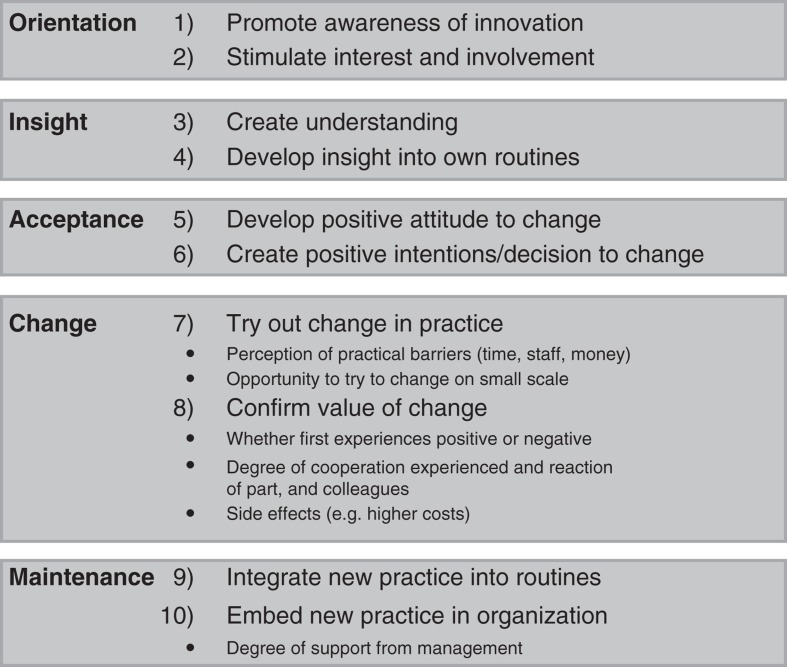
Current use, misuse, and overuse of antibiotics raise dangers and ethical dilemmas that cannot be solved in isolation, exclusively within a health system building block or even within the health sector only. There is a need to tackle antibiotic resistance emergence and containment on levels ranging from individuals, households, and the communities, to health care facilities, the entire health sector, and finally to national and global levels. We analyse emergence of antibiotic resistance based on interdependencies between health systems resources. We further go beyond the health system building blocks, to look at determinants of antibiotic resistance referring to wider global dynamics. Multi-level governance is the key for successful action in containment strategies. This will involve, in a comprehensive way, patients, health facilities where they receive care, health systems to which these facilities pertain, and the wider national context as well as the global community that influences the functioning of these health systems. In order to be effective and sustainable in both high and low-resource settings, implementation of containment interventions at all these levels needs to be managed based on existing theories and models of change. Although ministries of health and the global community must provide vision and support, it is important to keep in mind that containment interventions for antibiotic resistance will target individuals, consumers as well as providers.
目前抗生素的使用、误用和滥用带来了各种危险和伦理困境,这些问题不能孤立地、仅在卫生系统的某个组成部分内、甚至仅在卫生部门内解决。需要在个人、家庭和社区、医疗机构、整个卫生部门乃至国家和全球各级解决抗生素耐药性的出现和遏制问题。我们根据卫生系统资源的相互依存关系来分析抗生素耐药性的出现。我们进一步超越卫生系统的组成部分,从更广泛的全球动态着眼,研究抗生素耐药性的决定因素。多层次治理是遏制战略中成功行动的关键。这将全面涉及接受治疗的患者、他们接受治疗的卫生机构、这些机构所属的卫生系统以及更广泛的国家背景和影响这些卫生系统运作的全球社区。为了在高资源和低资源环境中都能有效和可持续地实施,需要根据现有的变革理论和模式来管理所有这些层面的遏制干预措施。尽管卫生部和全球社会必须提供愿景和支持,但重要的是要记住,抗生素耐药性的遏制干预措施将针对个人、消费者以及提供者。