Zheng Yonghua, Cretoiu Dragos, Yan Guoquan, Cretoiu Sanda Maria, Popescu Laurentiu M, Wang Xiangdong
Department of Respirology, Xinhua Hospital Affiliated to Shanghai Jiao Tong University School of Medicine, Shanghai, China.
J Cell Mol Med. 2014 Apr;18(4):568-89. doi: 10.1111/jcmm.12290. Epub 2014 Mar 28.
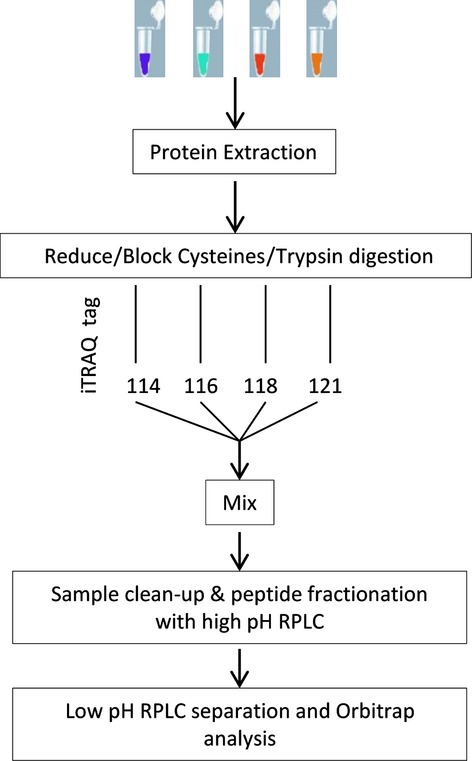
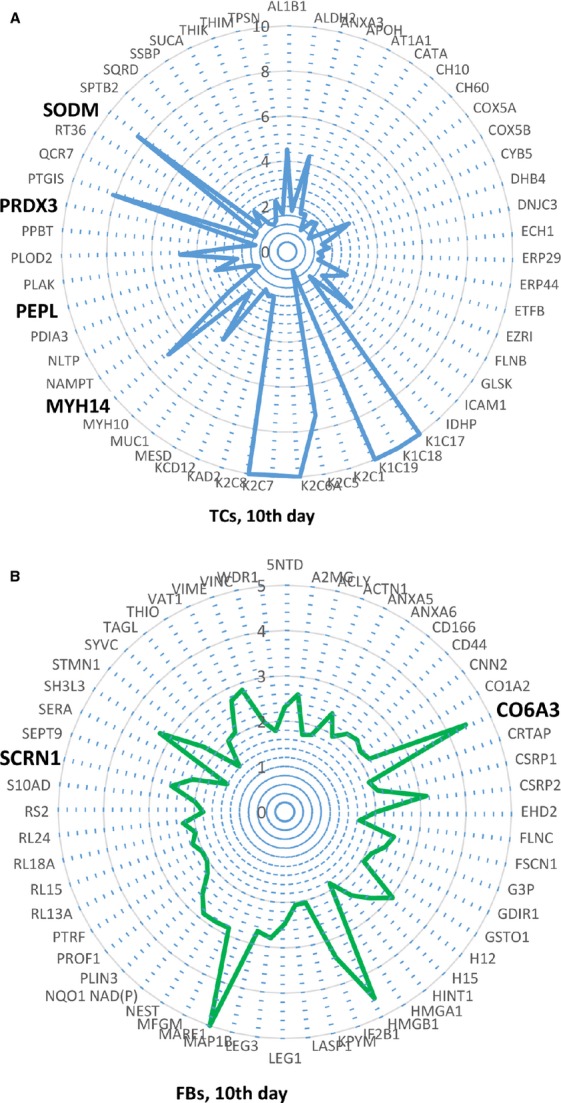
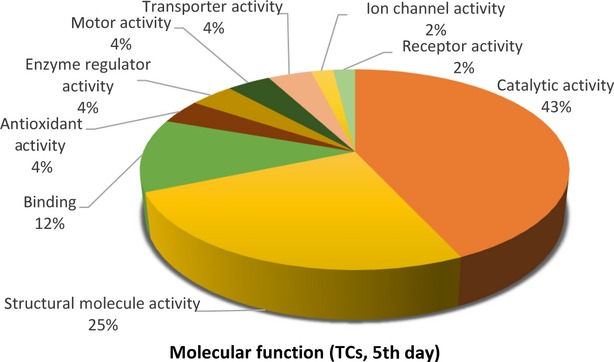
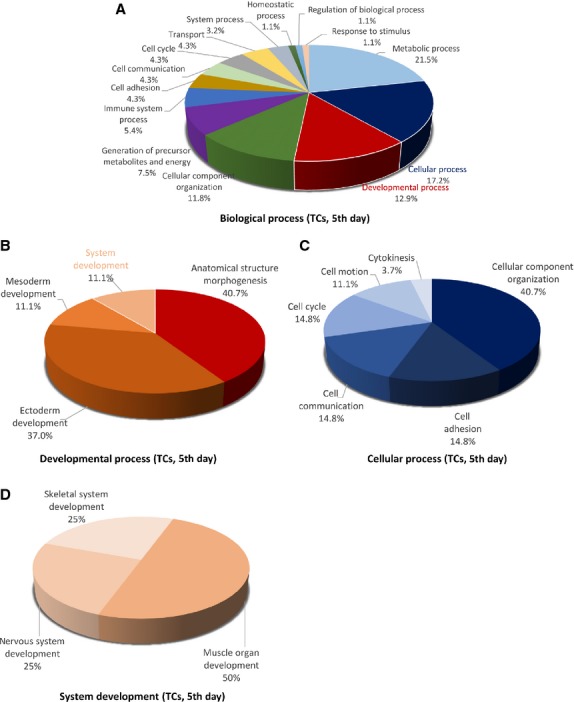
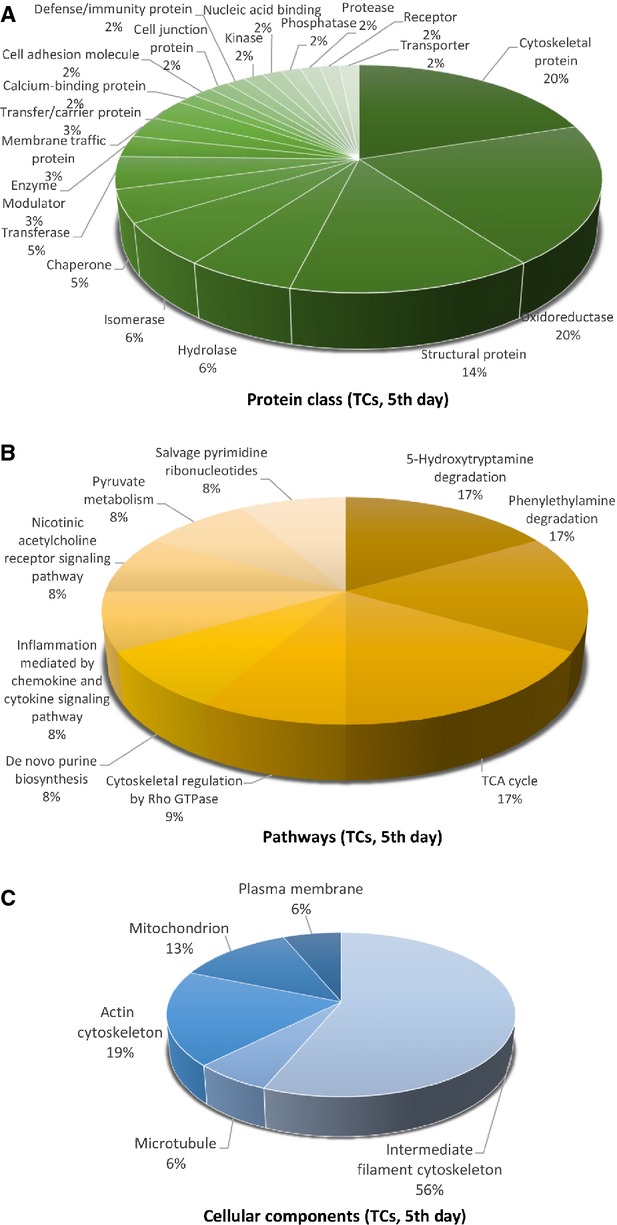
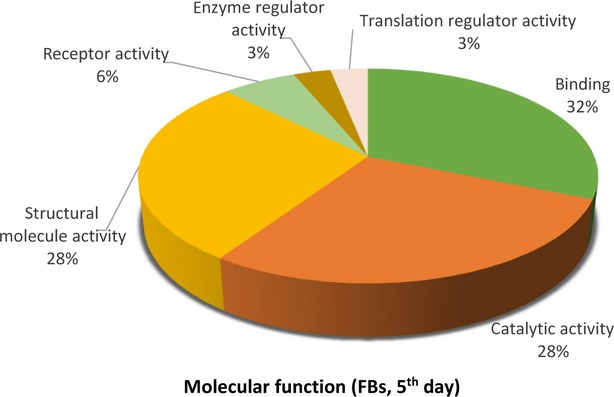
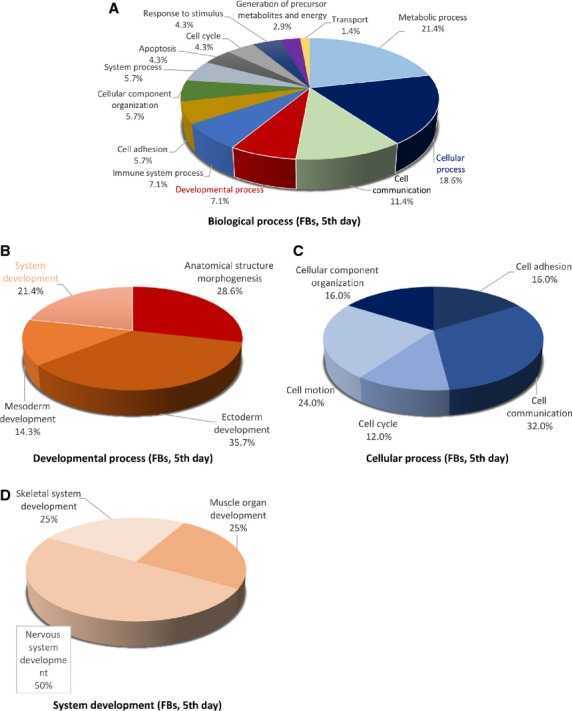
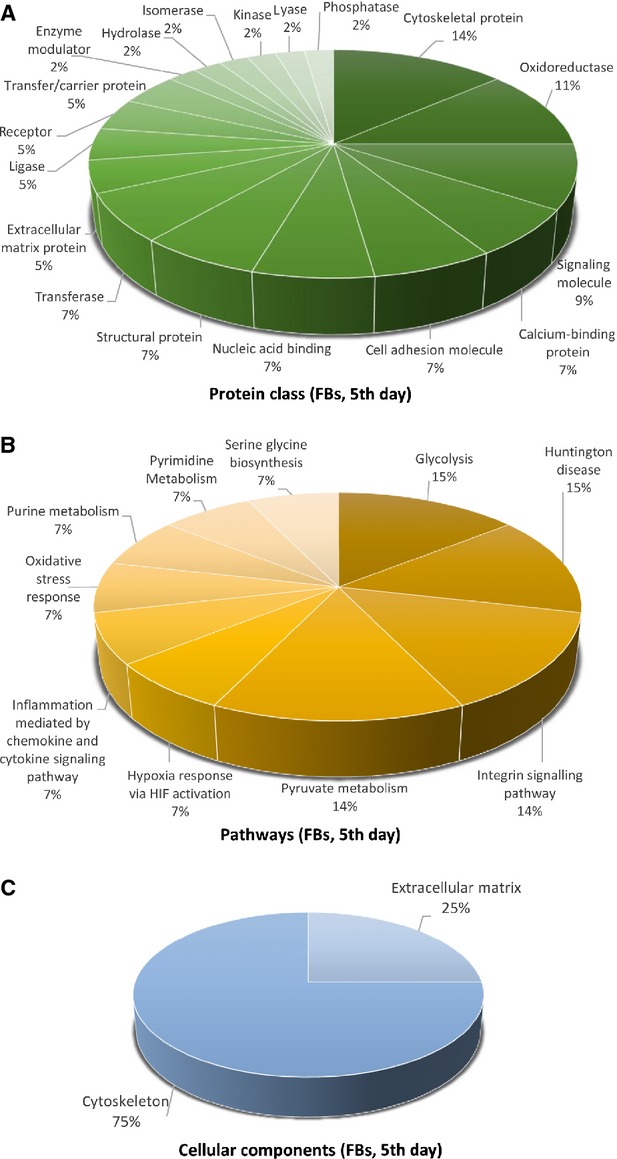
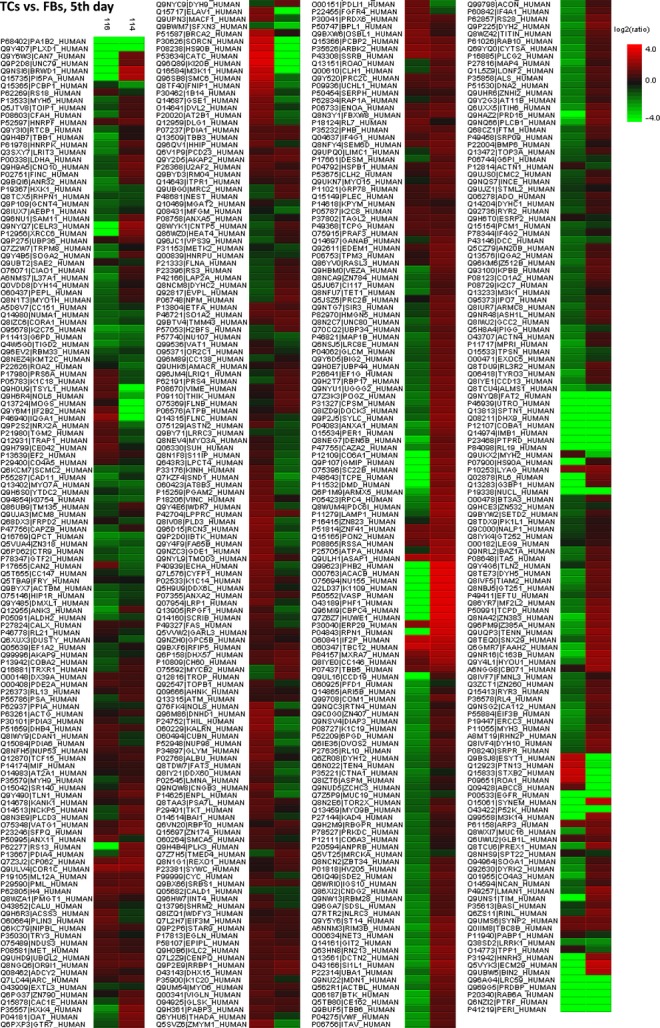
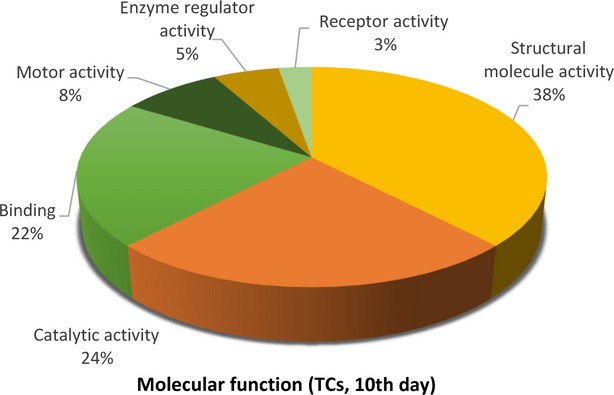
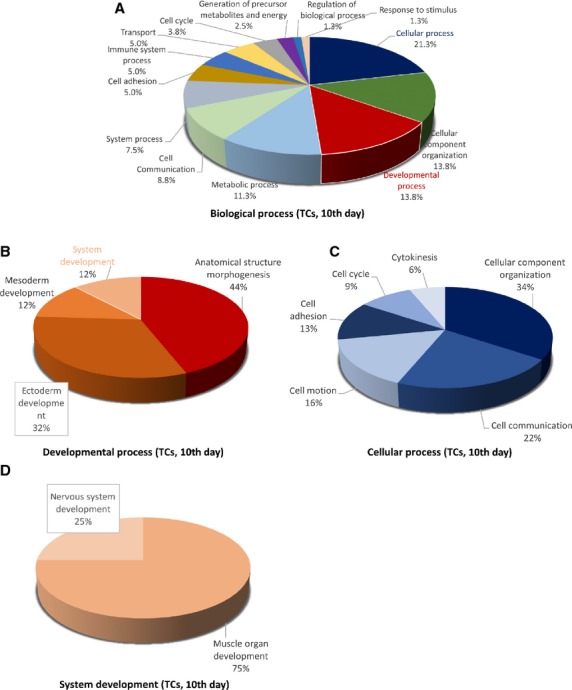
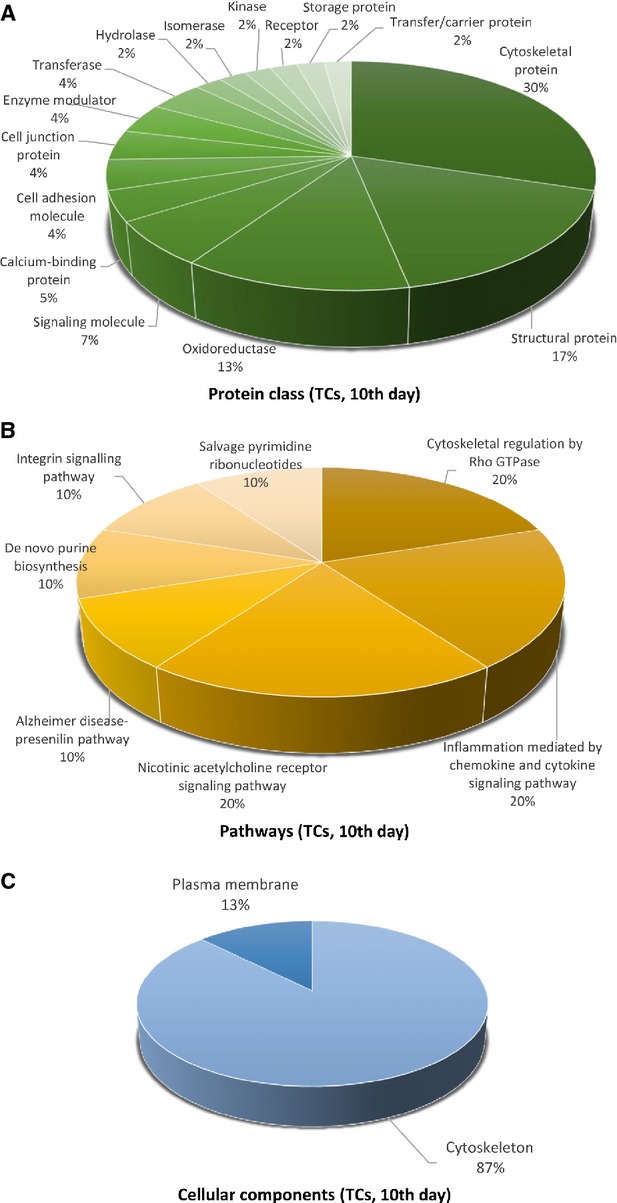
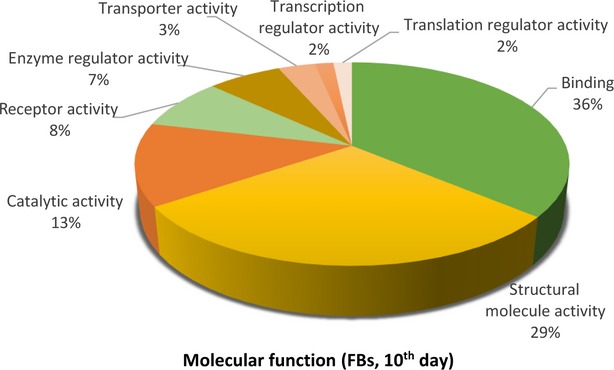
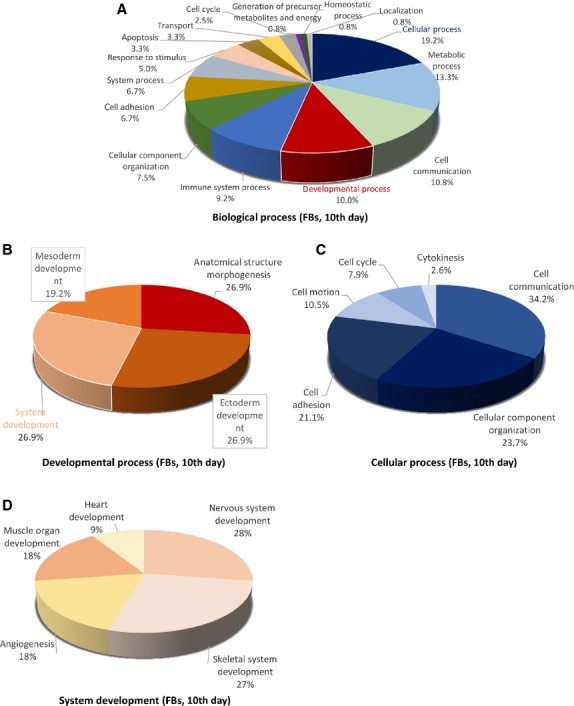
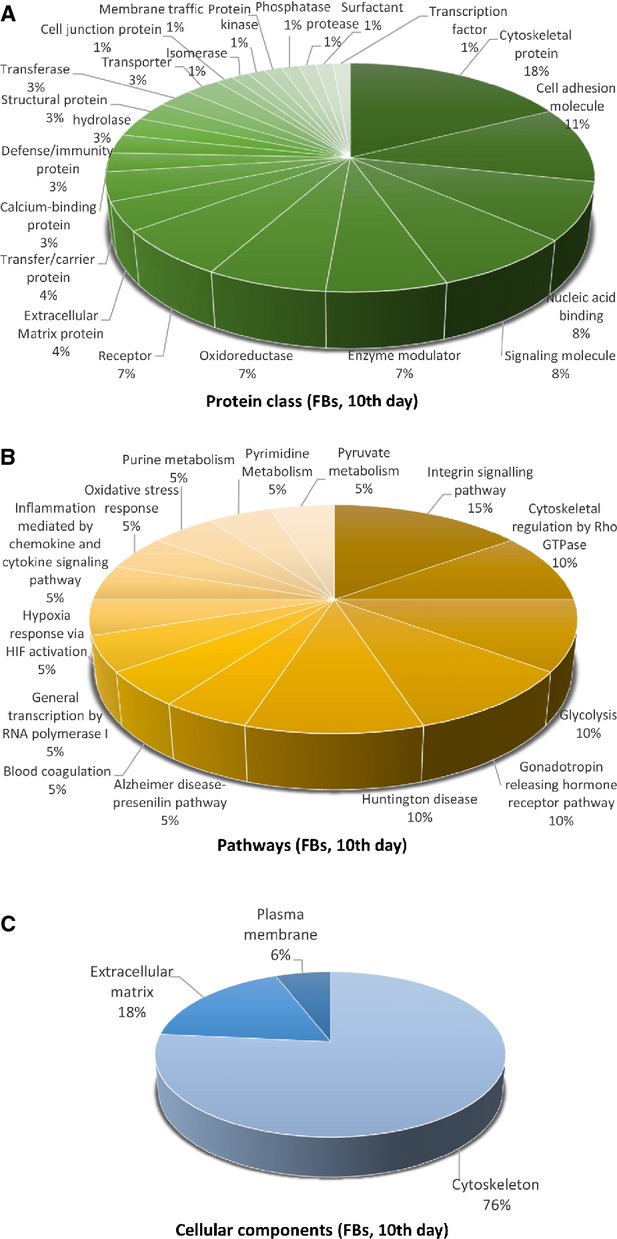
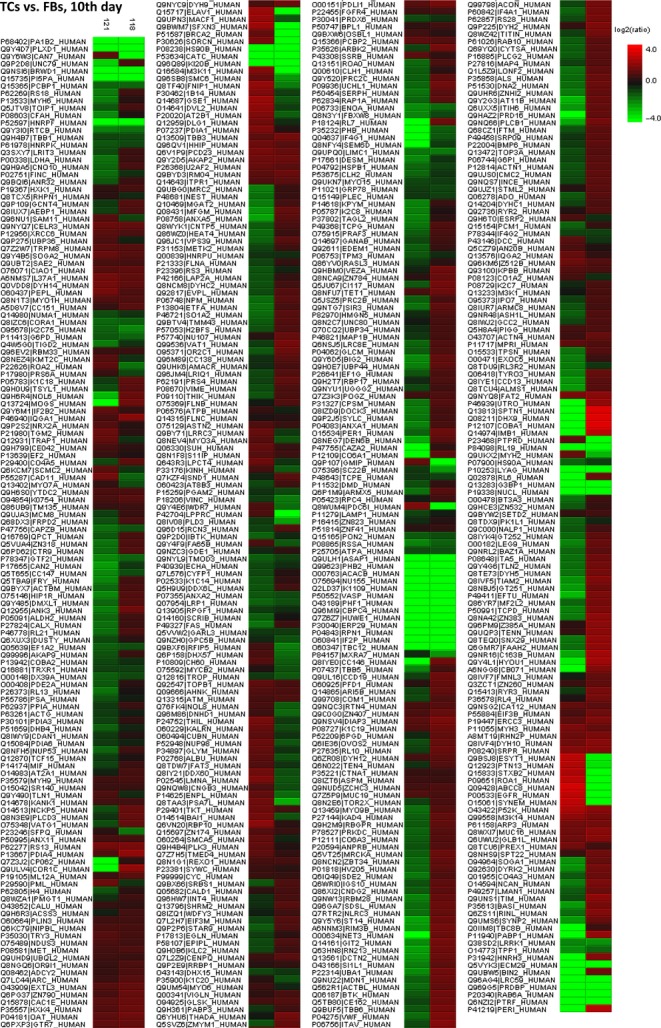
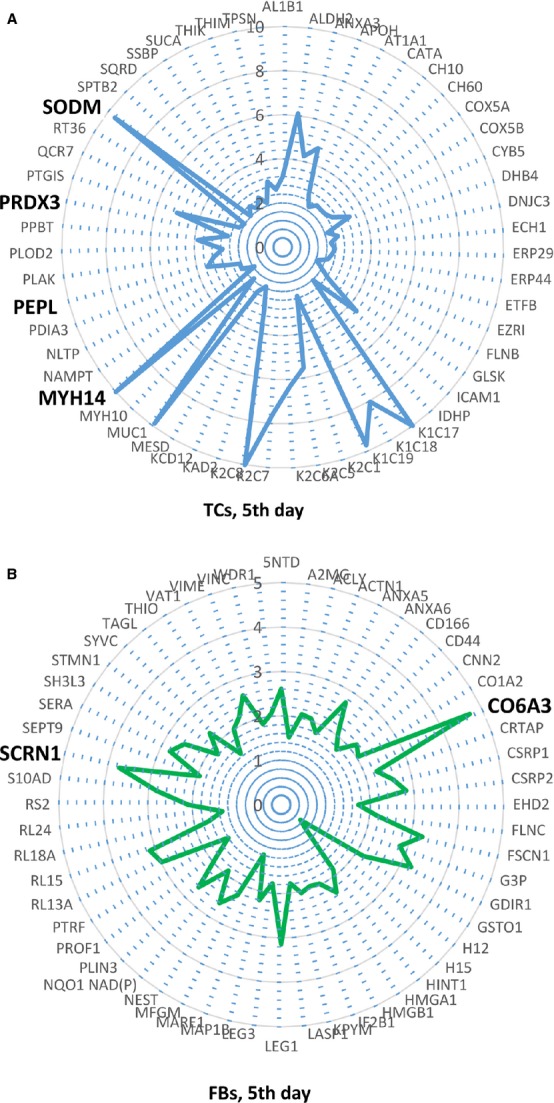
Telocytes (TCs) were recently described as interstitial cells with very long prolongations named telopodes (Tps; www.telocytes.com). Establishing the TC proteome is a priority to show that TCs are a distinct type of cells. Therefore, we examined the molecular aspects of lung TCs by comparison with fibroblasts (FBs). Proteins extracted from primary cultures of these cells were analysed by automated 2-dimensional nano-electrospray ionization liquid chromatography tandem mass spectrometry (2D Nano-ESI LC-MS/MS). Differentially expressed proteins were screened by two-sample t-test (P < 0.05) and fold change (>2), based on the bioinformatics analysis. We identified hundreds of proteins up- or down-regulated, respectively, in TCs as compared with FBs. TC proteins with known identities are localized in the cytoskeleton (87%) and plasma membrane (13%), while FB up-regulated proteins are in the cytoskeleton (75%) and destined to extracellular matrix (25%). These identified proteins were classified into different categories based on their molecular functions and biological processes. While the proteins identified in TCs are mainly involved in catalytic activity (43%) and as structural molecular activity (25%), the proteins in FBs are involved in catalytic activity (24%) and in structural molecular activity, particularly synthesis of collagen and other extracellular matrix components (25%). Anyway, our data show that TCs are completely different from FBs. In conclusion, we report here the first extensive identification of proteins from TCs using a quantitative proteomics approach. Protein expression profile shows many up-regulated proteins e.g. myosin-14, periplakin, suggesting that TCs might play specific roles in mechanical sensing and mechanochemical conversion task, tissue homoeostasis and remodelling/renewal. Furthermore, up-regulated proteins matching those found in extracellular vesicles emphasize TCs roles in intercellular signalling and stem cell niche modulation. The novel proteins identified in TCs will be an important resource for further proteomic research and it will possibly allow biomarker identification for TCs. It also creates the premises for understanding the pathogenesis of some lung diseases involving TCs.
端粒细胞(TCs)最近被描述为具有名为端粒(Tps;www.telocytes.com)的非常长的延长部分的间质细胞。建立TC蛋白质组是证明TCs是一种独特细胞类型的首要任务。因此,我们通过与成纤维细胞(FBs)比较来研究肺TCs的分子特征。从这些细胞的原代培养物中提取的蛋白质通过自动二维纳米电喷雾电离液相色谱串联质谱法(2D Nano-ESI LC-MS/MS)进行分析。基于生物信息学分析,通过双样本t检验(P < 0.05)和倍数变化(>2)筛选差异表达的蛋白质。与FBs相比,我们分别鉴定出数百种在TCs中上调或下调的蛋白质。具有已知身份的TC蛋白质定位于细胞骨架(87%)和质膜(13%),而FB上调的蛋白质位于细胞骨架(75%)并定位于细胞外基质(25%)。这些鉴定出的蛋白质根据其分子功能和生物学过程被分类为不同类别。虽然在TCs中鉴定出的蛋白质主要参与催化活性(43%)和作为结构分子活性(25%),但FBs中的蛋白质参与催化活性(24%)和结构分子活性,特别是胶原蛋白和其他细胞外基质成分的合成(25%)。无论如何,我们的数据表明TCs与FBs完全不同。总之,我们在此报告首次使用定量蛋白质组学方法对TCs蛋白质进行广泛鉴定。蛋白质表达谱显示许多上调的蛋白质,例如肌球蛋白-14、外周膜蛋白,表明TCs可能在机械传感和机械化学转换任务、组织稳态以及重塑/更新中发挥特定作用。此外,与细胞外囊泡中发现的蛋白质相匹配的上调蛋白质强调了TCs在细胞间信号传导和干细胞微环境调节中的作用。在TCs中鉴定出的新蛋白质将是进一步蛋白质组学研究的重要资源,并且可能允许鉴定TCs的生物标志物。它也为理解一些涉及TCs的肺部疾病的发病机制创造了前提条件。