Department of Medicine, Division of Cardiology, Stanford, CA 94305, USA; Department of Radiology, Molecular Imaging Program, Stanford, CA 94305, USA; Stanford Cardiovascular Institute, Stanford, CA 94305, USA.
Department of Medicine, Division of Cardiology, Stanford, CA 94305, USA; Department of Radiology, Molecular Imaging Program, Stanford, CA 94305, USA; Stanford Cardiovascular Institute, Stanford, CA 94305, USA; Institute of Stem Cell Biology and Regenerative Medicine, Stanford, CA 94305, USA.
Cell Stem Cell. 2014 Apr 3;14(4):431-44. doi: 10.1016/j.stem.2014.03.009.
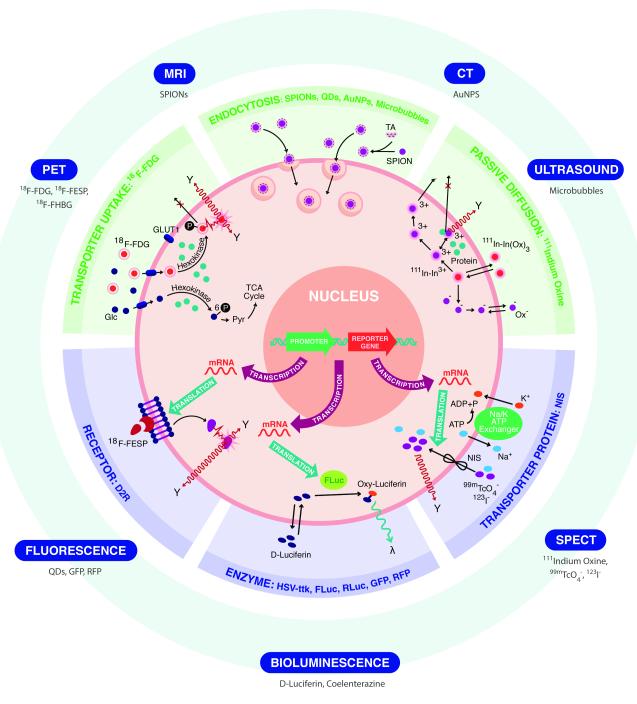
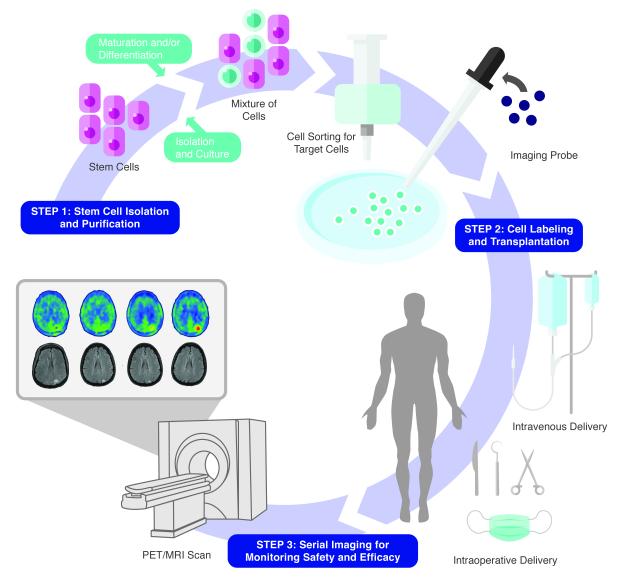
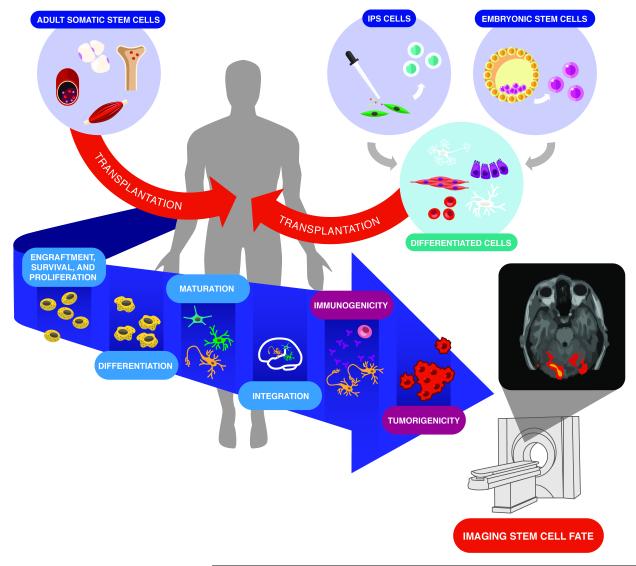
Although cellular therapies hold great promise for the treatment of human disease, results from several initial clinical trials have not shown a level of efficacy required for their use as a first line therapy. Here we discuss how in vivo molecular imaging has helped identify barriers to clinical translation and potential strategies that may contribute to successful transplantation and improved outcomes, with a focus on cardiovascular and neurological diseases. We conclude with a perspective on the future role of molecular imaging in defining safety and efficacy for clinical implementation of stem cell therapies.
尽管细胞疗法在治疗人类疾病方面具有巨大的潜力,但几项初始临床试验的结果并未显示出将其用作一线治疗所需的疗效水平。在这里,我们讨论了体内分子成像如何帮助确定临床转化的障碍,以及可能有助于成功移植和改善结果的潜在策略,重点是心血管和神经疾病。最后,我们展望了分子成像在定义干细胞疗法临床实施的安全性和有效性方面的未来作用。