Batool Komal, Niazi Muaz A
National University of Science & Technology, Islamabad, Pakistan.
Bahria University, Islamabad, Pakistan; COSIPRA Lab, University of Stirling, Stirling, Scotland, United Kingdom.
PLoS One. 2014 Apr 7;9(4):e90283. doi: 10.1371/journal.pone.0090283. eCollection 2014.
Living systems are associated with Social networks - networks made up of nodes, some of which may be more important in various aspects as compared to others. While different quantitative measures labeled as "centralities" have previously been used in the network analysis community to find out influential nodes in a network, it is debatable how valid the centrality measures actually are. In other words, the research question that remains unanswered is: how exactly do these measures perform in the real world? So, as an example, if a centrality of a particular node identifies it to be important, is the node actually important?
The goal of this paper is not just to perform a traditional social network analysis but rather to evaluate different centrality measures by conducting an empirical study analyzing exactly how do network centralities correlate with data from published multidisciplinary network data sets.
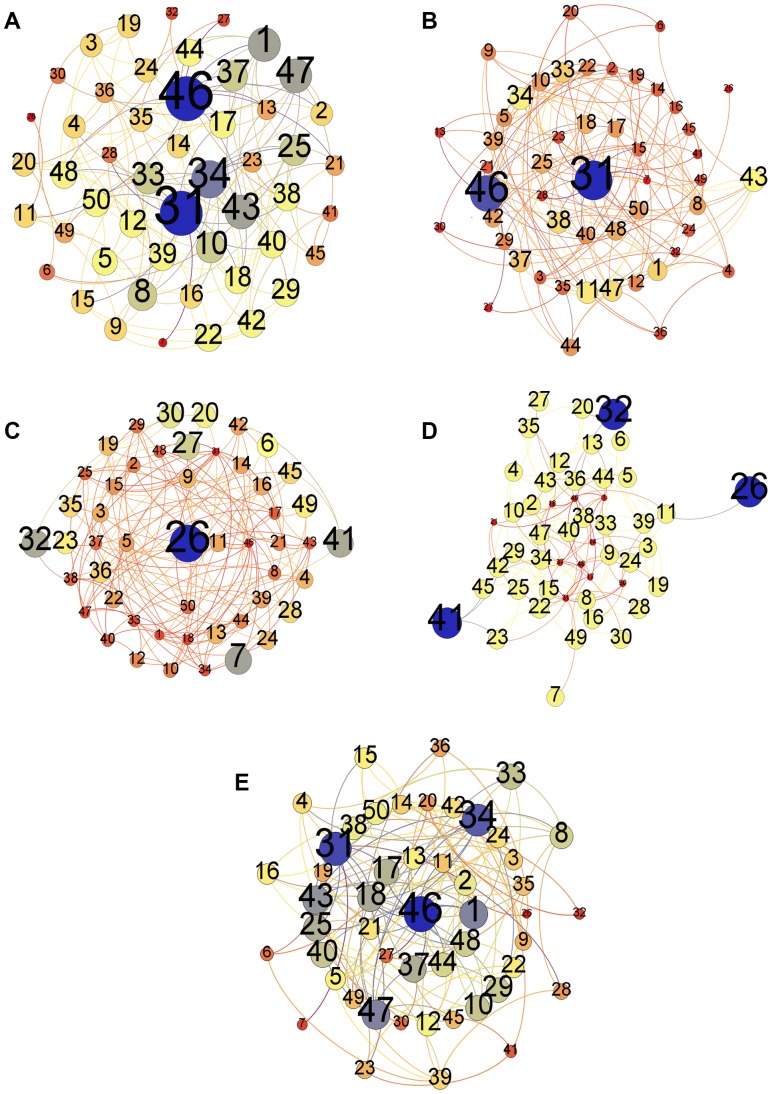
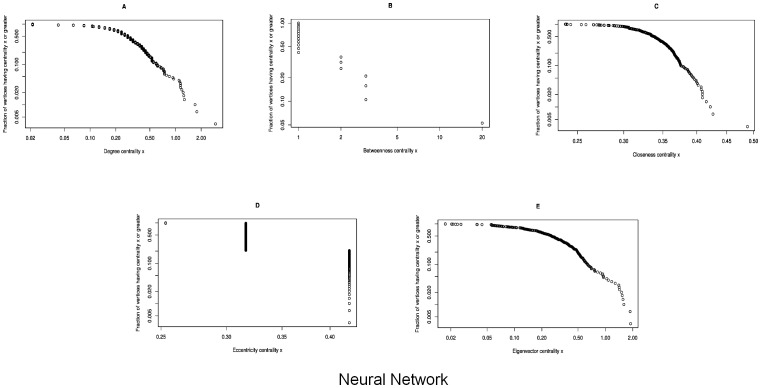
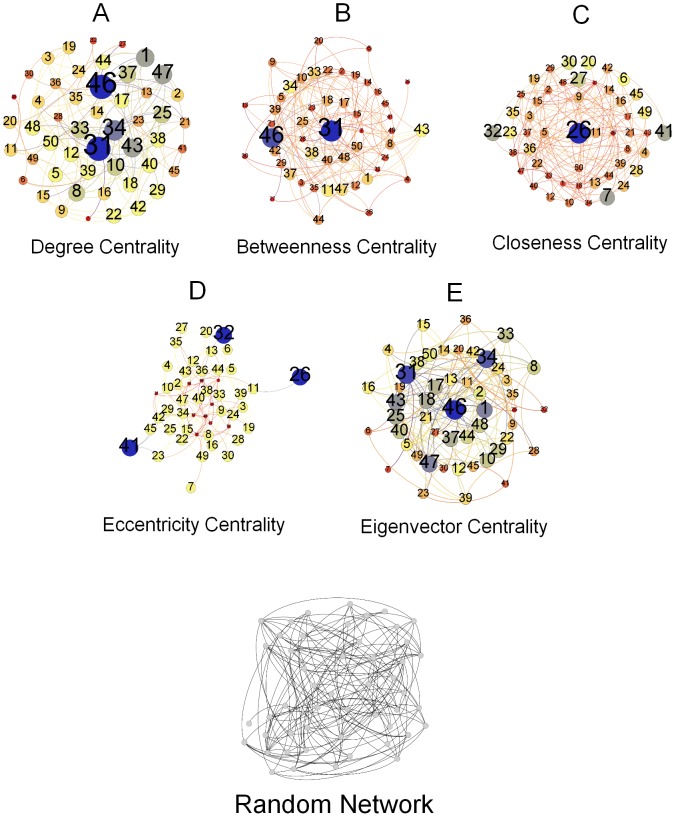
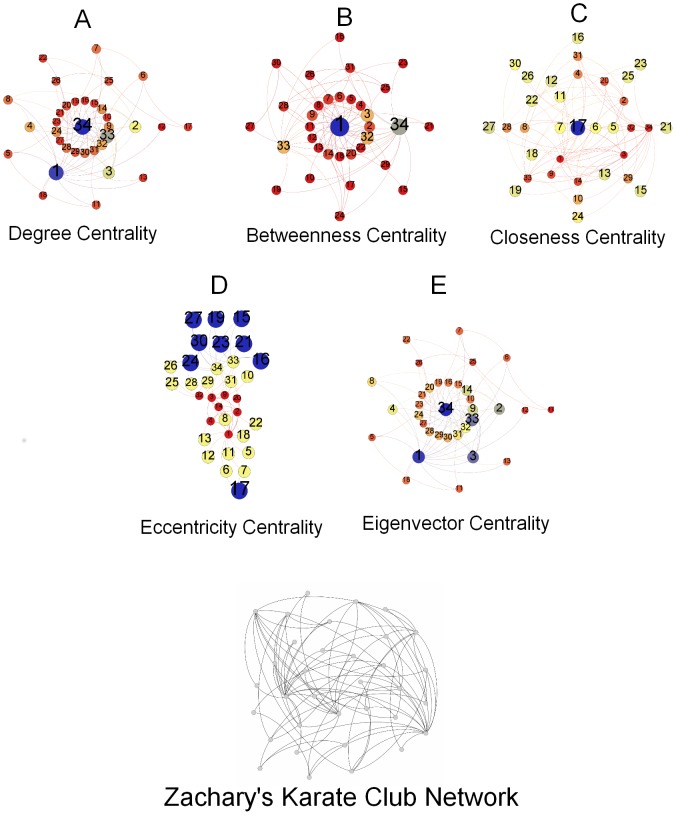
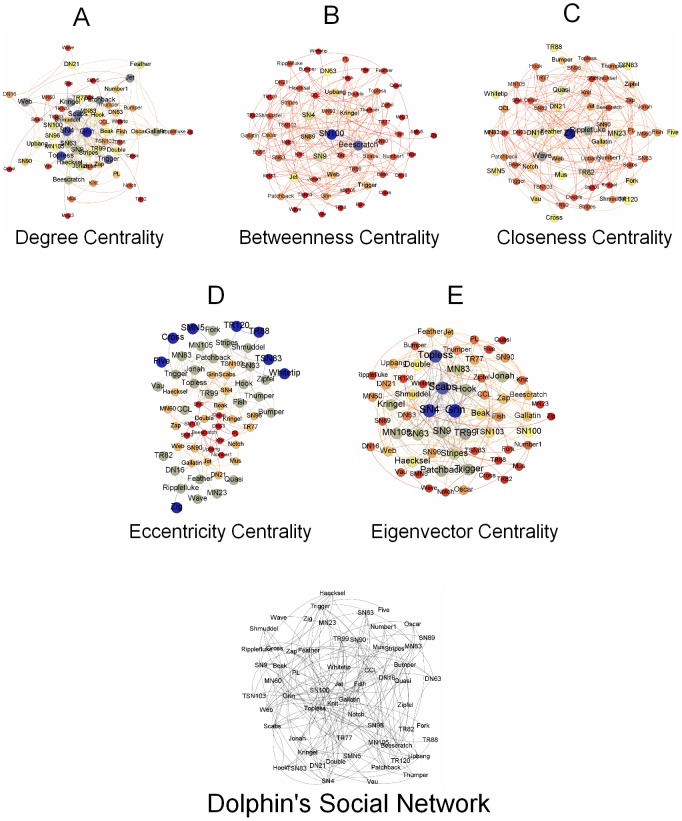
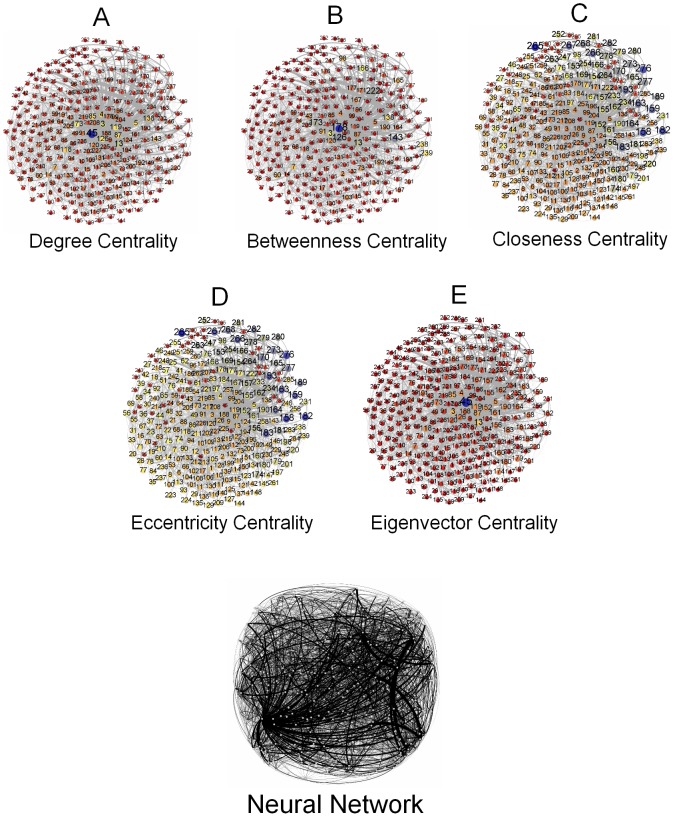
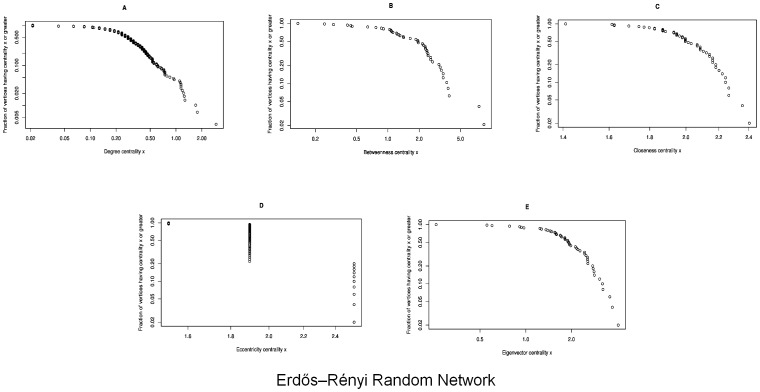
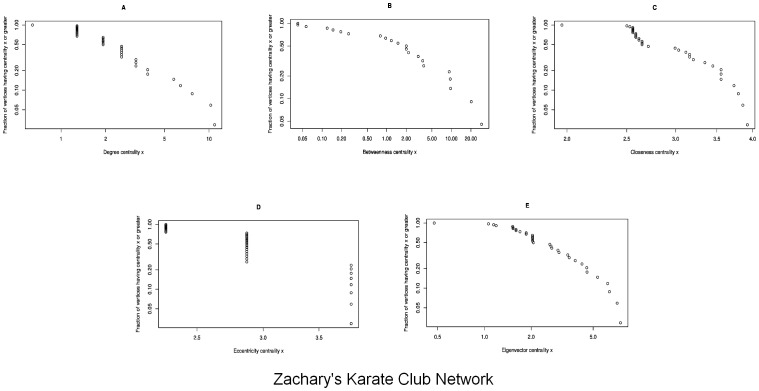
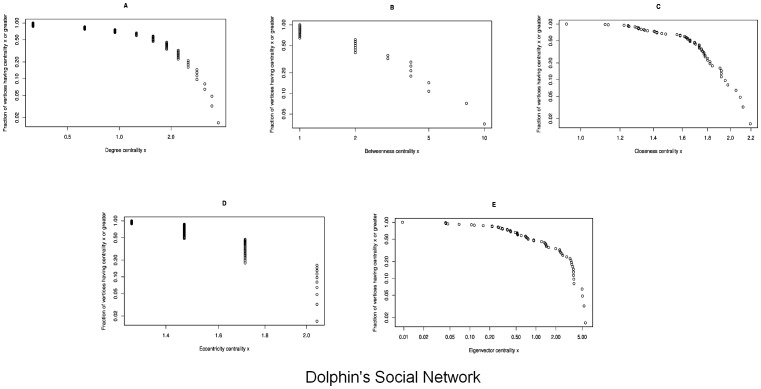
We take standard published network data sets while using a random network to establish a baseline. These data sets included the Zachary's Karate Club network, dolphin social network and a neural network of nematode Caenorhabditis elegans. Each of the data sets was analyzed in terms of different centrality measures and compared with existing knowledge from associated published articles to review the role of each centrality measure in the determination of influential nodes.
Our empirical analysis demonstrates that in the chosen network data sets, nodes which had a high Closeness Centrality also had a high Eccentricity Centrality. Likewise high Degree Centrality also correlated closely with a high Eigenvector Centrality. Whereas Betweenness Centrality varied according to network topology and did not demonstrate any noticeable pattern. In terms of identification of key nodes, we discovered that as compared with other centrality measures, Eigenvector and Eccentricity Centralities were better able to identify important nodes.
生命系统与社会网络相关联——社会网络由节点组成,其中一些节点在各个方面可能比其他节点更重要。虽然网络分析领域此前已使用各种被称为“中心性”的定量方法来找出网络中的有影响力节点,但这些中心性方法的实际有效性仍存在争议。换句话说,尚未得到解答的研究问题是:这些方法在现实世界中究竟表现如何?例如,如果某个特定节点的中心性表明它很重要,那么这个节点实际上真的重要吗?
本文的目标不仅仅是进行传统的社会网络分析,而是通过开展实证研究来评估不同的中心性方法,具体分析网络中心性与已发表的多学科网络数据集的数据之间的相关性。
我们采用已发表的标准网络数据集,同时使用随机网络来建立基线。这些数据集包括扎卡里空手道俱乐部网络、海豚社会网络以及秀丽隐杆线虫的神经网络。对每个数据集都依据不同的中心性方法进行分析,并与相关已发表文章中的现有知识进行比较,以审视每种中心性方法在确定有影响力节点方面的作用。
我们的实证分析表明,在所选的网络数据集中,具有高接近中心性的节点也具有高离心率中心性。同样,高度中心性也与高特征向量中心性密切相关。而中介中心性则根据网络拓扑结构而有所不同,并未呈现出任何明显的模式。在关键节点的识别方面,我们发现与其他中心性方法相比,特征向量中心性和离心率中心性在识别重要节点方面表现更佳。