Graduate University for Advanced Studies, Hayama, Kanagawa 240-0193, Japan.
Genes (Basel). 2011 Feb 18;2(1):191-209. doi: 10.3390/genes2010191.
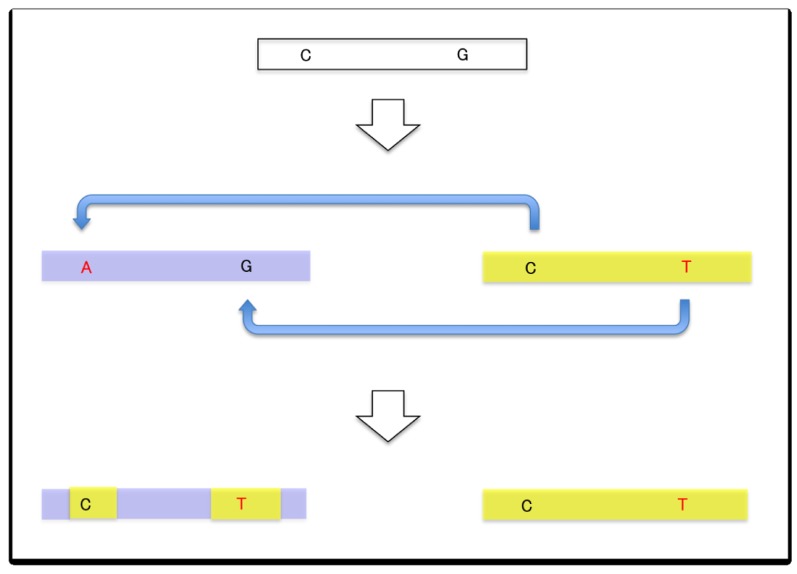
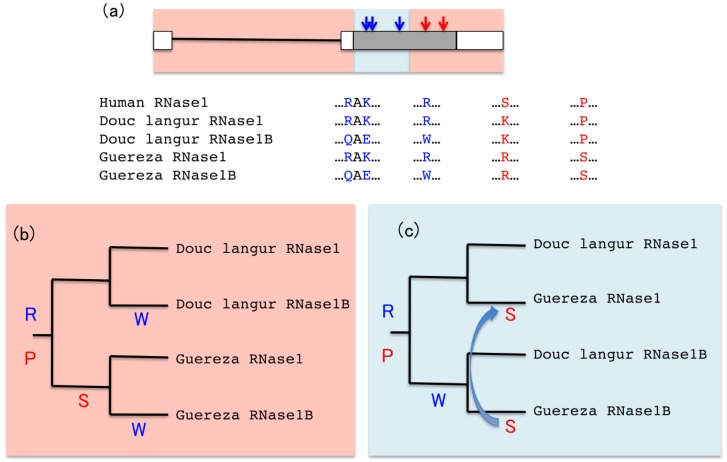
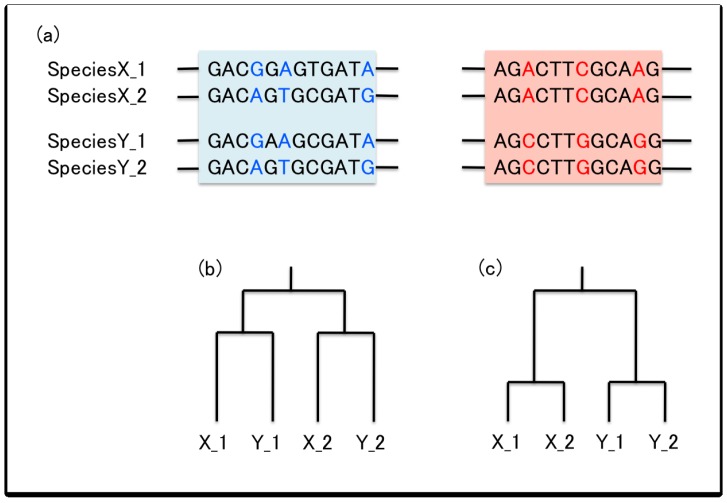
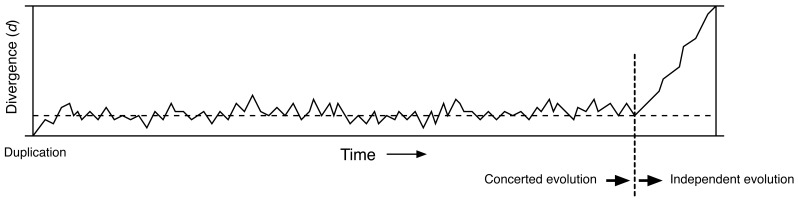
Gene conversion is one of the major mutational mechanisms involved in the DNA sequence evolution of duplicated genes. It contributes to create unique patters of DNA polymorphism within species and divergence between species. A typical pattern is so-called concerted evolution, in which the divergence between duplicates is maintained low for a long time because of frequent exchanges of DNA fragments. In addition, gene conversion affects the DNA evolution of duplicates in various ways especially when selection operates. Here, we review theoretical models to understand the evolution of duplicates in both neutral and non-neutral cases. We also explain how these theories contribute to interpreting real polymorphism and divergence data by using some intriguing examples.
基因转换是参与重复基因 DNA 序列进化的主要突变机制之一。它有助于在物种内创造独特的 DNA 多态性模式,并在物种间产生分化。一种典型的模式是所谓的协同进化,其中由于频繁交换 DNA 片段,重复序列之间的差异在很长一段时间内保持较低水平。此外,基因转换以各种方式影响重复序列的 DNA 进化,特别是在选择起作用时。在这里,我们回顾了理论模型,以了解中性和非中性情况下重复序列的进化。我们还通过一些有趣的例子解释了这些理论如何有助于解释真实的多态性和分化数据。