Key Laboratory of Major Diseases in Children (Capital Medical University), Ministry of Education, National Key Discipline of Pediatrics, Ministry of Education, Hematology Center, Beijing Children's Hospital, Capital Medical University, Beijing, China.
Cancer Sci. 2014 Apr;105(4):463-72. doi: 10.1111/cas.12370. Epub 2014 Mar 30.
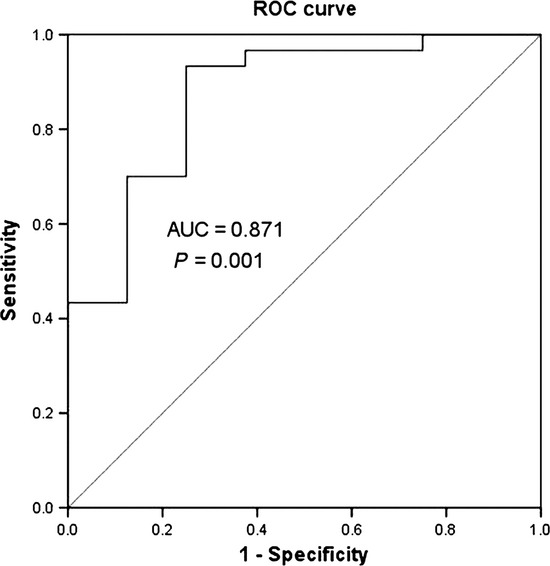
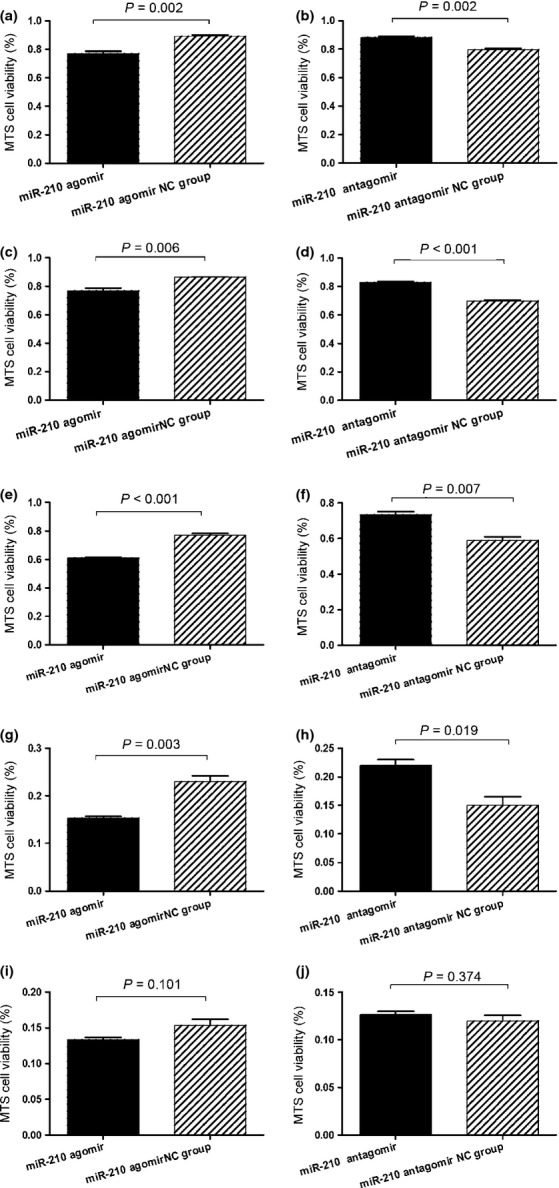
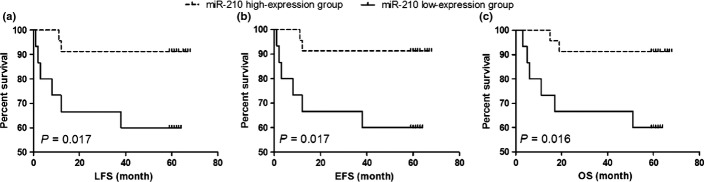
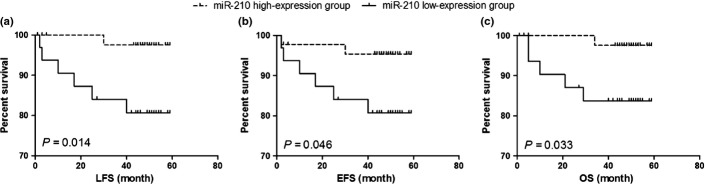
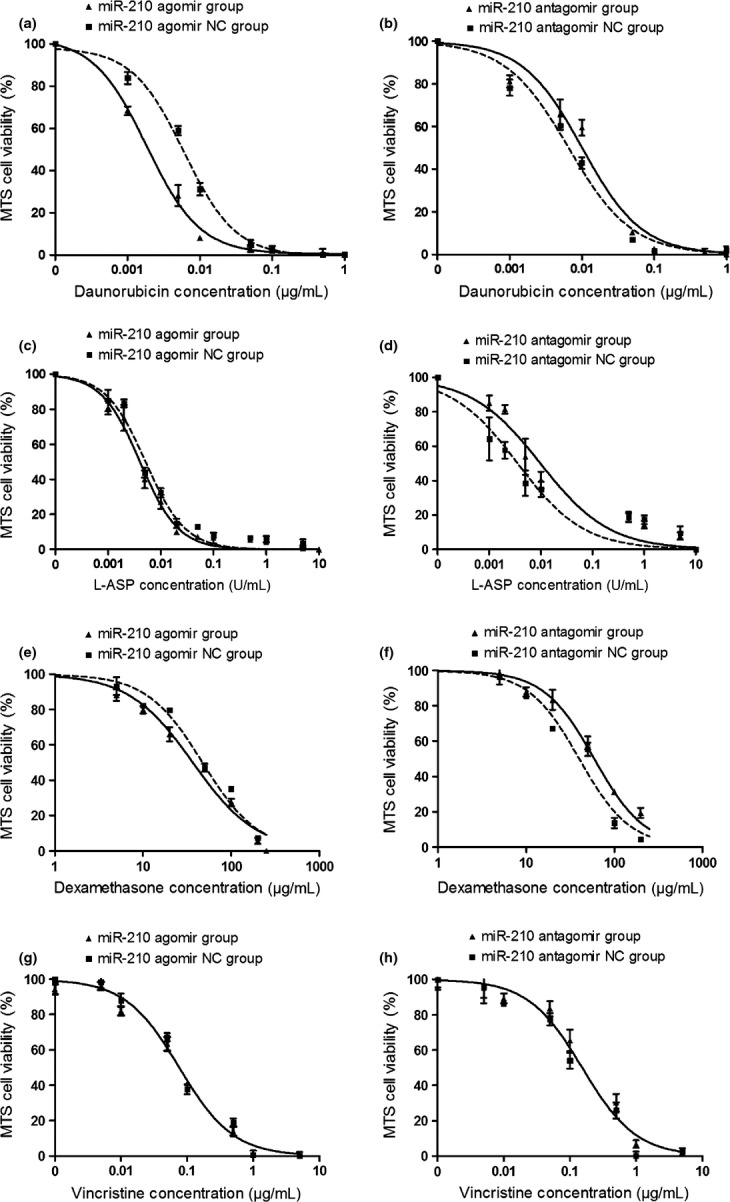
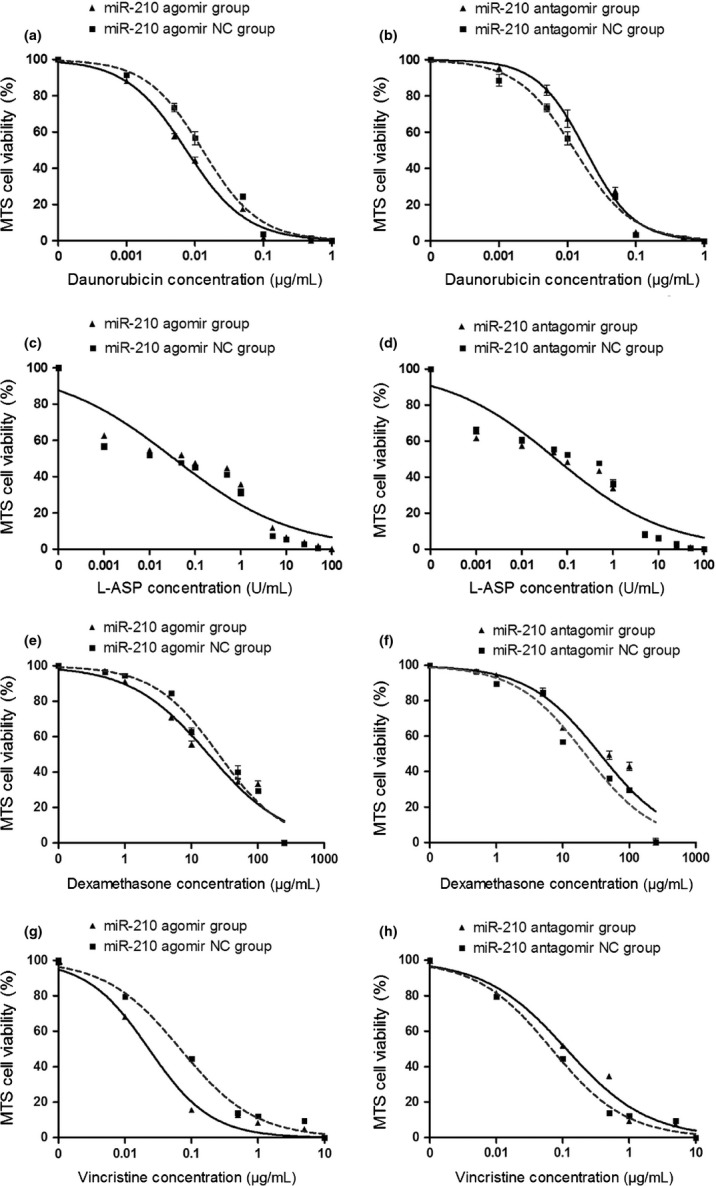
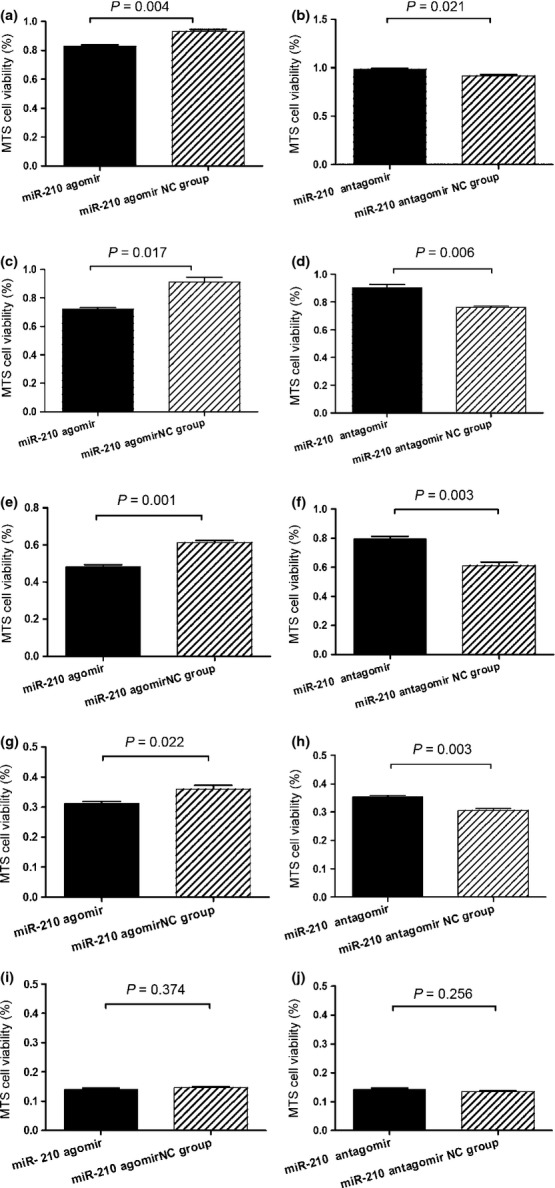
Many studies have demonstrated that microRNA-210 (miR-210) expression is intensively upregulated in hypoxic states and differentially regulated in most types of cancer cells. However, the clinical significance of miR-210 and its effects on the response of leukemic cells to chemotherapeutic drugs in childhood acute lymphoblastic leukemia (ALL) remain unknown. In the current study, using real-time qRT-PCR to detect miR-210 expression in bone marrow samples from 114 children at initial diagnosis of ALL, we investigated the prognostic significance of miR-210 and determined its associations with common clinical characteristics and treatment outcome. We further examined its effect on the response to chemotherapeutic drugs in the Reh and RS4;11 cell lines. Results showed that miR-210 expression was significantly lower in patients suffering from relapse and induction failure than in other patients (P < 0.001). Using the receiver operating characteristic curve, 3.8243 was selected as the cut-off value of miR-210 expression in our test cohort (38 cases). A significantly poorer treatment outcome (P < 0.05) was found in the low-expression group and verified in the validation cohort (76 cases, P < 0.05). Patients with low expression of miR-210 and positive minimal residual disease at the end of induction had a much higher rate of relapse or induction failure (P = 0.001). Increasing/decreasing miR-210 expression using agomir/antagomir could enhance or reduce the response of Reh cells and RS4;11 cells to daunorubicin/dexamethasone/L-asparaginase and daunorubicin/dexamethasone/vincristine, respectively. In conclusion, miR-210 may be a good prognostic factor and a useful predictor of drug sensitivity, and is a potential therapeutic target for pediatric ALL.
许多研究表明,微小 RNA-210(miR-210)在缺氧状态下表达强烈上调,并在大多数类型的癌细胞中差异调节。然而,miR-210 的临床意义及其对儿童急性淋巴细胞白血病(ALL)中白血病细胞对化疗药物反应的影响尚不清楚。在本研究中,我们使用实时 qRT-PCR 检测 114 例初诊 ALL 患儿骨髓样本中的 miR-210 表达,研究了 miR-210 的预后意义,并确定了其与常见临床特征和治疗结果的关联。我们进一步研究了其对 Reh 和 RS4;11 细胞系中化疗药物反应的影响。结果表明,复发和诱导失败患者的 miR-210 表达明显低于其他患者(P<0.001)。使用接收器工作特征曲线,选择 3.8243 作为我们测试队列中 miR-210 表达的截断值(38 例)。低表达组的治疗结果明显较差(P<0.05),在验证队列(76 例,P<0.05)中得到验证。在诱导结束时 miR-210 表达低且微小残留病阳性的患者复发或诱导失败的发生率更高(P=0.001)。使用 agomir/antagomir 增加/减少 miR-210 的表达可以分别增强或降低 Reh 细胞和 RS4;11 细胞对柔红霉素/地塞米松/L-门冬酰胺酶和柔红霉素/地塞米松/长春新碱的反应。总之,miR-210 可能是一个良好的预后因素和药物敏感性的有用预测因子,是儿科 ALL 的潜在治疗靶点。