Zhong Liang, Zhang Jun-Mei, Zhao Xiaodan, Tan Ru San, Wan Min
Bioengineering Department, National Heart Centre Singapore, Singapore, Singapore; Cardiovascular & Metabolic Disorders Program, Duke-NUS Graduate Medical School Singapore, Singapore, Singapore.
Bioengineering Department, National Heart Centre Singapore, Singapore, Singapore.
PLoS One. 2014 Apr 10;9(4):e92382. doi: 10.1371/journal.pone.0092382. eCollection 2014.
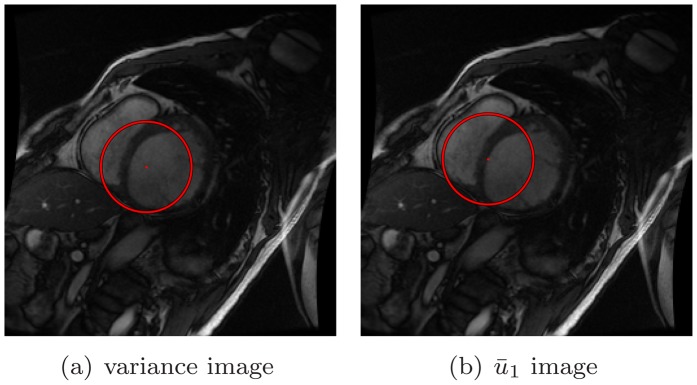
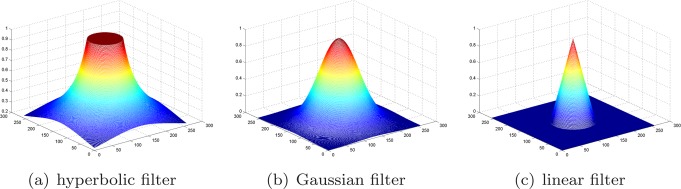
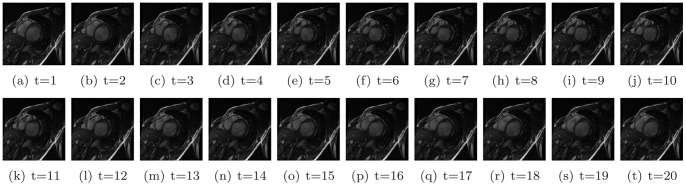
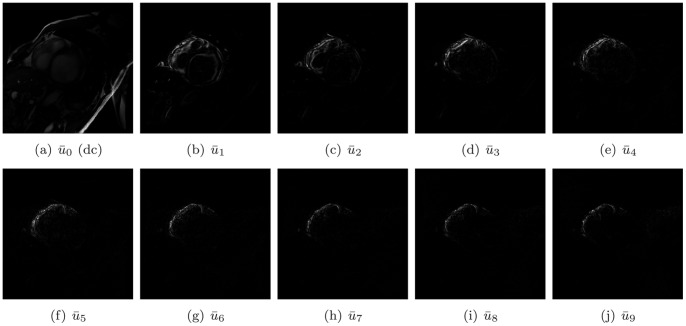
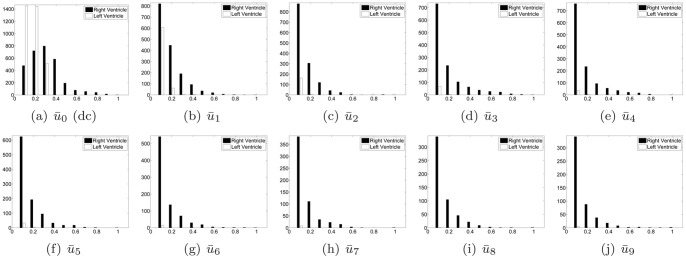
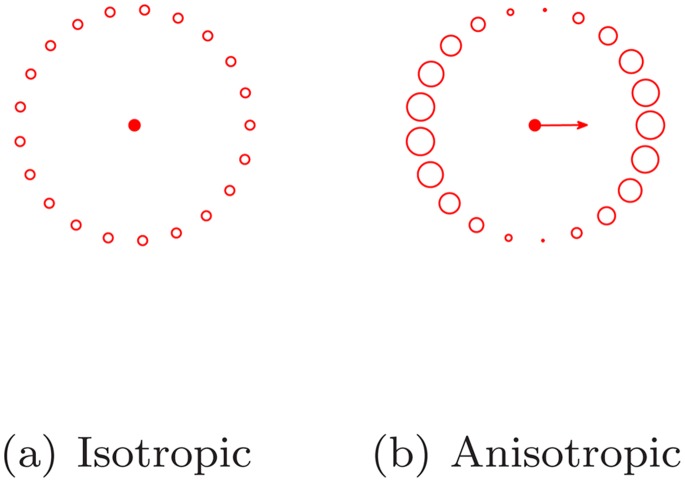
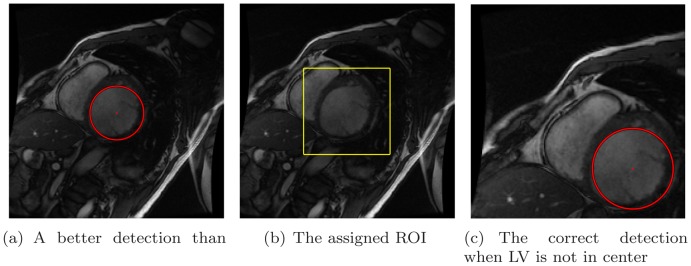
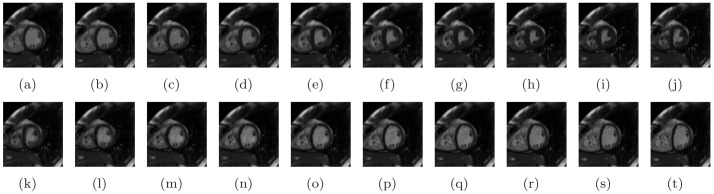
Traditionally, cardiac image analysis is done manually. Automatic image processing can help with the repetitive tasks, and also deal with huge amounts of data, a task which would be humanly tedious. This study aims to develop a spectrum-based computer-aided tool to locate the left ventricle using images obtained via cardiac magnetic resonance imaging. Discrete Fourier Transform was conducted pixelwise on the image sequence. Harmonic images of all frequencies were analyzed visually and quantitatively to determine different patterns of the left and right ventricles on spectrum. The first and fifth harmonic images were selected to perform an anisotropic weighted circle Hough detection. This tool was then tested in ten volunteers. Our tool was able to locate the left ventricle in all cases and had a significantly higher cropping ratio of 0.165 than did earlier studies. In conclusion, a new spectrum-based computer aided tool has been proposed and developed for automatic left ventricle localization. The development of this technique, which will enable the automatic location and further segmentation of the left ventricle, will have a significant impact in research and in diagnostic settings. We envisage that this automated method could be used by radiographers and cardiologists to diagnose and assess ventricular function in patients with diverse heart diseases.
传统上,心脏图像分析是通过人工完成的。自动图像处理有助于完成重复性任务,还能处理大量数据,而这是一项人工操作会很繁琐的任务。本研究旨在开发一种基于频谱的计算机辅助工具,利用通过心脏磁共振成像获得的图像来定位左心室。对图像序列逐像素进行离散傅里叶变换。对所有频率的谐波图像进行视觉和定量分析,以确定频谱上左心室和右心室的不同模式。选择第一和第五谐波图像进行各向异性加权圆霍夫检测。然后在十名志愿者身上对该工具进行测试。我们的工具在所有情况下都能够定位左心室,并且裁剪率为0.165,明显高于早期研究。总之,已经提出并开发了一种新的基于频谱的计算机辅助工具用于自动左心室定位。这项技术的发展将能够实现左心室的自动定位和进一步分割,对研究和诊断环境将产生重大影响。我们设想,这种自动化方法可由放射技师和心脏病专家用于诊断和评估患有各种心脏病患者的心室功能。