Simkó Myrtill, Nosske Dietmar, Kreyling Wolfgang G
Institute of Technology Assessment, Austrian Academy of Sciences, Strohgasse 45, Vienna 1030, Austria.
Department Radiation Protection and Health, Federal Office for Radiation Protection, Ingolstädter Landstr. 1, Oberschleißheim 85764, Germany.
Int J Environ Res Public Health. 2014 Apr 14;11(4):4026-48. doi: 10.3390/ijerph110404026.
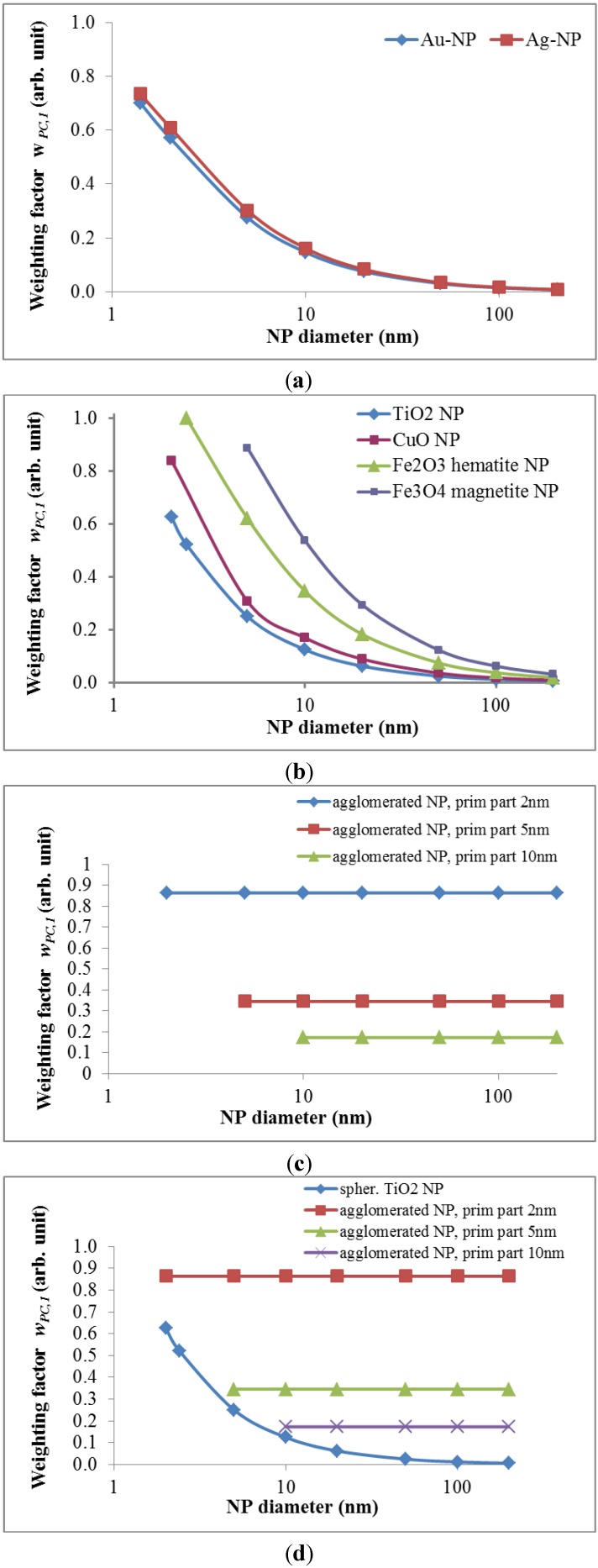
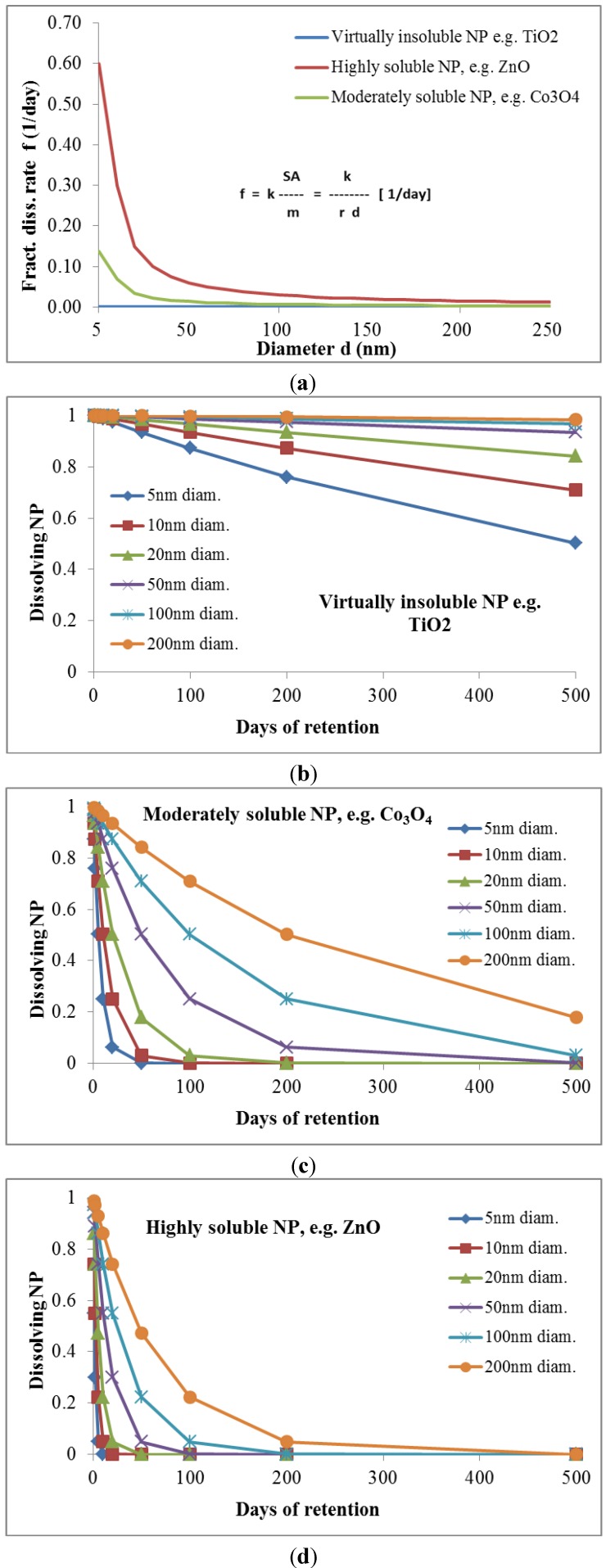
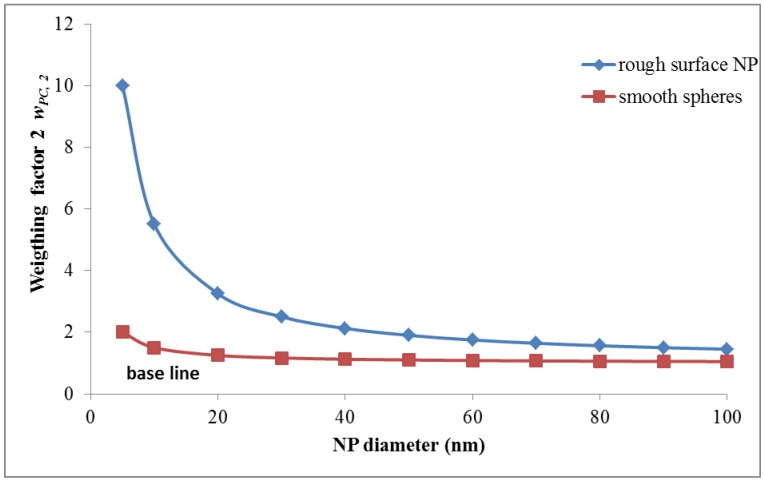
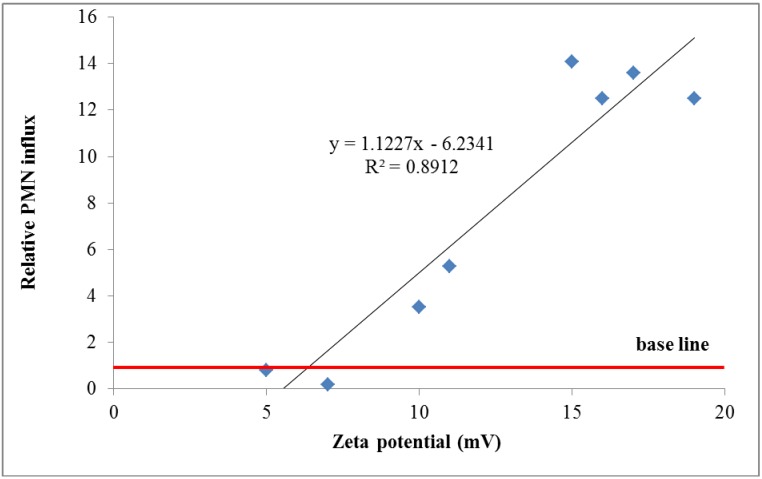
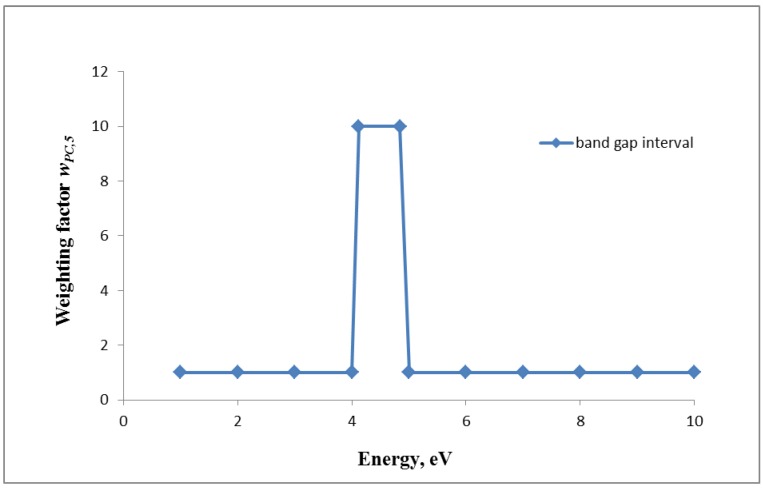
In order to calculate the dose for nanoparticles (NP), (i) relevant information about the dose metrics and (ii) a proper dose concept are crucial. Since the appropriate metrics for NP toxicity are yet to be elaborated, a general dose calculation model for nanomaterials is not available. Here we propose how to develop a dose assessment model for NP in analogy to the radiation protection dose calculation, introducing the so-called "deposited and the equivalent dose". As a dose metric we propose the total deposited NP surface area (SA), which has been shown frequently to determine toxicological responses e.g. of lung tissue. The deposited NP dose is proportional to the total surface area of deposited NP per tissue mass, and takes into account primary and agglomerated NP. By using several weighting factors the equivalent dose additionally takes into account various physico-chemical properties of the NP which are influencing the biological responses. These weighting factors consider the specific surface area, the surface textures, the zeta-potential as a measure for surface charge, the particle morphology such as the shape and the length-to-diameter ratio (aspect ratio), the band gap energy levels of metal and metal oxide NP, and the particle dissolution rate. Furthermore, we discuss how these weighting factors influence the equivalent dose of the deposited NP.
为了计算纳米颗粒(NP)的剂量,(i)剂量指标的相关信息和(ii)合适的剂量概念至关重要。由于NP毒性的合适指标尚未阐明,因此尚无通用的纳米材料剂量计算模型。在此,我们提出如何类似于辐射防护剂量计算来开发NP的剂量评估模型,引入所谓的“沉积剂量和当量剂量”。作为剂量指标,我们提出总沉积NP表面积(SA),其已被频繁证明可确定例如肺组织的毒理学反应。沉积NP剂量与每组织质量的沉积NP总表面积成正比,并考虑了初级NP和团聚NP。通过使用几个加权因子,当量剂量还考虑了影响生物反应的NP的各种物理化学性质。这些加权因子考虑了比表面积、表面纹理、作为表面电荷度量的zeta电位、颗粒形态(如形状和长径比(纵横比))、金属和金属氧化物NP的带隙能级以及颗粒溶解速率。此外,我们讨论了这些加权因子如何影响沉积NP的当量剂量。