Daley Kiley, Castleden Heather, Jamieson Rob, Furgal Chris, Ell Lorna
Centre for Water Resources Studies, Dalhousie University, Halifax, Canada.
School for Resources and Environmental Studies, Dalhousie University, Halifax, Canada.
Int J Circumpolar Health. 2014 Mar 28;73:1-10. doi: 10.3402/ijch.v73.23843. eCollection 2014.
Access to adequate quantities of water has a protective effect on human health and well-being. Despite this, public health research and interventions are frequently focused solely on water quality, and international standards for domestic water supply minimums are often overlooked or unspecified. This trend is evident in Inuit and other Arctic communities even though numerous transmissible diseases and bacterium infections associated with inadequate domestic water quantities are prevalent.
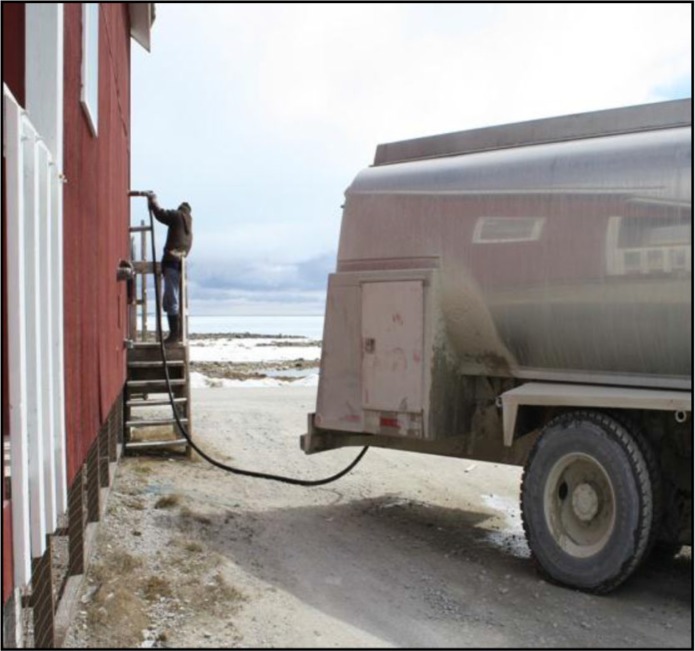
Our objective was to explore the pathways by which the trucked water distribution systems being used in remote northern communities are impacting health at the household level, with consideration given to the underlying social and environmental determinants shaping health in the region.
Using a qualitative case study design, we conducted 37 interviews (28 residents, 9 key informants) and a review of government water documents to investigate water usage practices and perspectives. These data were thematically analysed to understand potential health risks in Arctic communities and households.
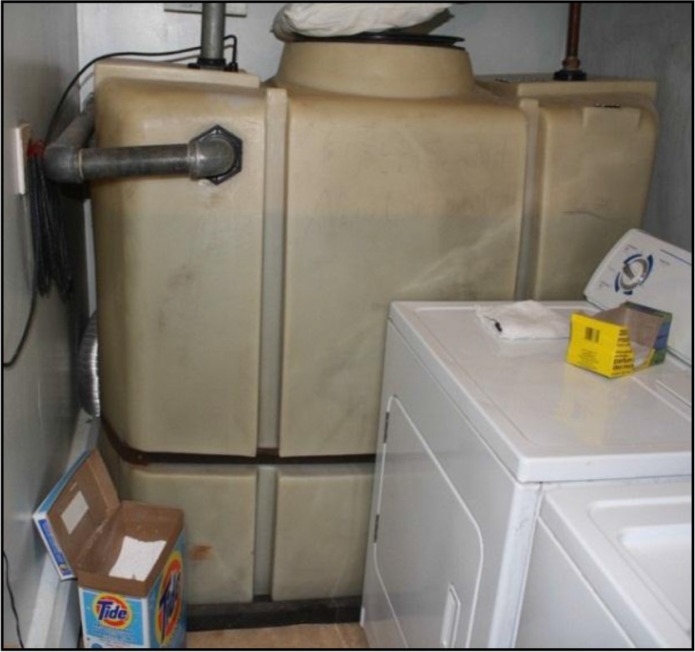
Each resident receives an average of 110 litres of municipal water per day. Fifteen of 28 households reported experiencing water shortages at least once per month. Of those 15, most were larger households (5 people or more) with standard sized water storage tanks. Water shortages and service interruptions limit the ability of some households to adhere to public health advice. The households most resilient, or able to cope with domestic water supply shortages, were those capable of retrieving their own drinking water directly from lake and river sources. Residents with extended family and neighbours, whom they can rely on during shortages, were also less vulnerable to municipal water delays.
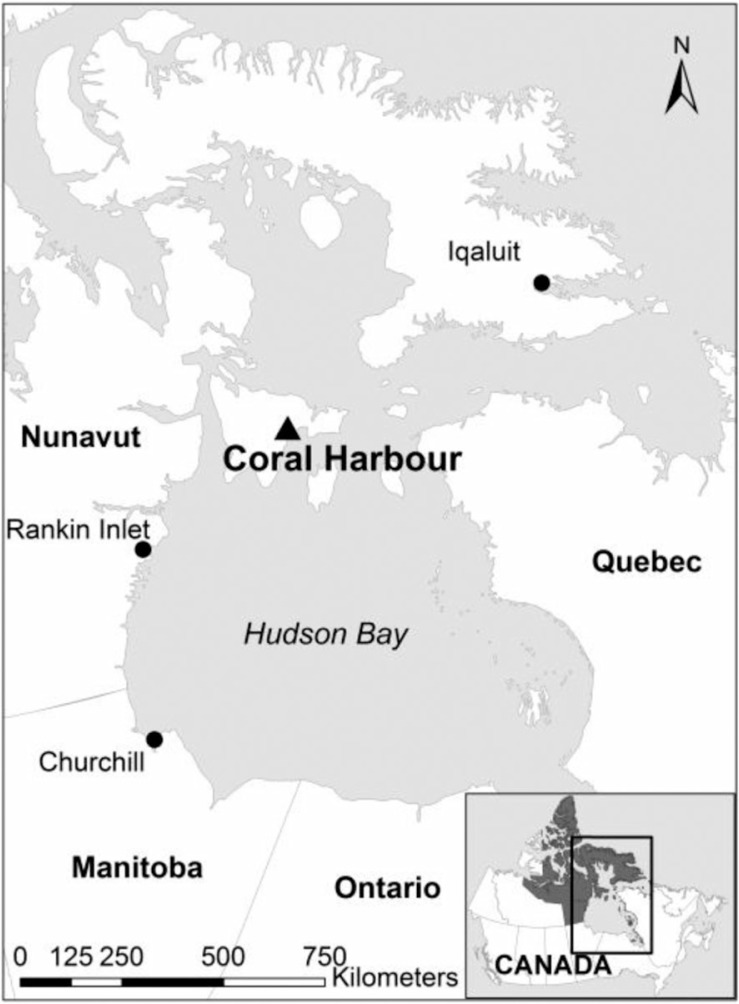
The relatively low in-home water quantities observed in Coral Harbour, Nunavut, appear adequate for some families. Those living in overcrowded households, however, are accessing water in quantities more typically seen in water insecure developing countries. We recommend several practical interventions and revisions to municipal water supply systems.
获取充足的水对人类健康和福祉具有保护作用。尽管如此,公共卫生研究和干预措施往往仅关注水质,而国内供水最低标准的国际规范常常被忽视或未作明确规定。这一趋势在因纽特人和其他北极社区很明显,尽管许多与家庭用水量不足相关的传染病和细菌感染很普遍。
我们的目标是探讨北部偏远社区使用的卡车运水分配系统在家庭层面影响健康的途径,同时考虑塑造该地区健康状况的潜在社会和环境决定因素。
采用定性案例研究设计,我们进行了37次访谈(28名居民、9名关键信息提供者),并对政府水文件进行了审查,以调查用水习惯和观点。对这些数据进行了主题分析,以了解北极社区和家庭中的潜在健康风险。
每位居民每天平均获得110升市政供水。28户家庭中有15户报告每月至少经历一次缺水。在这15户中,大多数是拥有标准尺寸储水箱的大家庭(5人或更多)。缺水和服务中断限制了一些家庭遵守公共卫生建议的能力。最有复原力或能够应对家庭供水短缺的家庭是那些能够直接从湖泊和河流取水作为饮用水的家庭。在缺水时能够依靠大家庭成员和邻居的居民,也较少受到市政供水延迟的影响。
在努纳武特地区的珊瑚港观察到的家庭内相对较低的用水量,对一些家庭来说似乎是足够的。然而,那些居住在过度拥挤家庭中的人所获得的水量,更类似于水资源不安全的发展中国家的典型情况。我们建议对市政供水系统进行若干实际干预和修订。