Aragona Maria, Minio Andrea, Ferrarini Alberto, Valente Maria Teresa, Bagnaresi Paolo, Orrù Luigi, Tononi Paola, Zamperin Gianpiero, Infantino Alessandro, Valè Giampiero, Cattivelli Luigi, Delledonne Massimo
Dipartimento di Biotecnologie, Università degli Studi di Verona, Strada le Grazie, 15, 37134 Verona, Italy.
BMC Genomics. 2014 Apr 27;15:313. doi: 10.1186/1471-2164-15-313.
Pyrenochaeta lycopersici is a soil-dwelling ascomycete pathogen that causes corky root rot disease in tomato (Solanum lycopersicum) and other Solanaceous crops, reducing fruit yields by up to 75%. Fungal pathogens that infect roots receive less attention than those infecting the aerial parts of crops despite their significant impact on plant growth and fruit production.
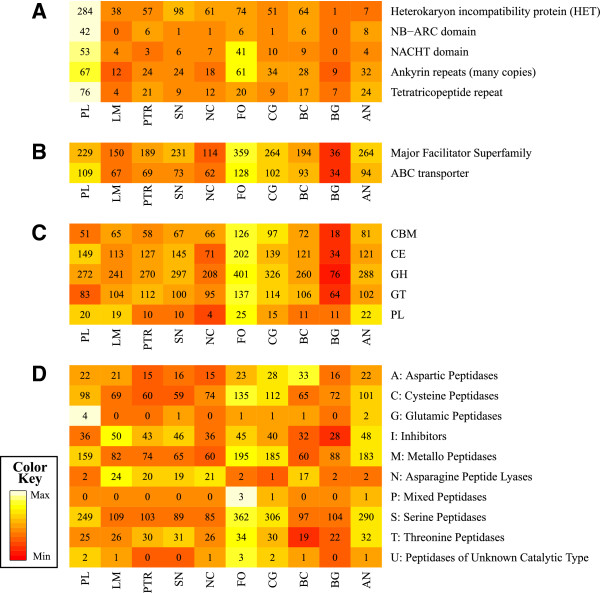
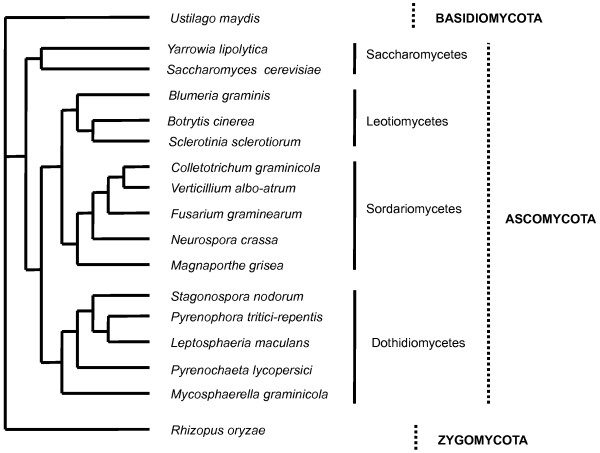
We assembled a 54.9Mb P. lycopersici draft genome sequence based on Illumina short reads, and annotated approximately 17,000 genes. The P. lycopersici genome is closely related to hemibiotrophs and necrotrophs, in agreement with the phenotypic characteristics of the fungus and its lifestyle. Several gene families related to host-pathogen interactions are strongly represented, including those responsible for nutrient absorption, the detoxification of fungicides and plant cell wall degradation, the latter confirming that much of the genome is devoted to the pathogenic activity of the fungus. We did not find a MAT gene, which is consistent with the classification of P. lycopersici as an imperfect fungus, but we observed a significant expansion of the gene families associated with heterokaryon incompatibility (HI).
The P. lycopersici draft genome sequence provided insight into the molecular and genetic basis of the fungal lifestyle, characterizing previously unknown pathogenic behaviors and defining strategies that allow this asexual fungus to increase genetic diversity and to acquire new pathogenic traits.
番茄拟茎点霉是一种土壤栖息的子囊菌病原体,可导致番茄(番茄属)和其他茄科作物发生根腐病,使果实产量降低多达75%。尽管感染根部的真菌病原体对植物生长和果实产量有重大影响,但与感染作物地上部分的病原体相比,受到的关注较少。
我们基于Illumina短读长组装了一个54.9Mb的番茄拟茎点霉基因组草图序列,并注释了约17,000个基因。番茄拟茎点霉基因组与半活体营养型和坏死营养型密切相关,这与该真菌的表型特征及其生活方式一致。几个与寄主 - 病原体相互作用相关的基因家族有很强的代表性,包括负责养分吸收、杀菌剂解毒和植物细胞壁降解的基因家族,后者证实该基因组的很大一部分致力于真菌的致病活性。我们没有发现MAT基因,这与番茄拟茎点霉作为不完全真菌的分类一致,但我们观察到与异核体不相容性(HI)相关的基因家族有显著扩增。
番茄拟茎点霉基因组草图序列为了解该真菌生活方式的分子和遗传基础提供了见解,表征了以前未知的致病行为,并确定了使这种无性真菌增加遗传多样性和获得新致病性状的策略。