Foletto Michele Ceolin, Haas Sandra Elisa
Universidade Federal do Pampa, Uruguaiana, RS, Brazil.
An Bras Dermatol. 2014 Mar-Apr;89(2):301-10. doi: 10.1590/abd1806-4841.20142540.
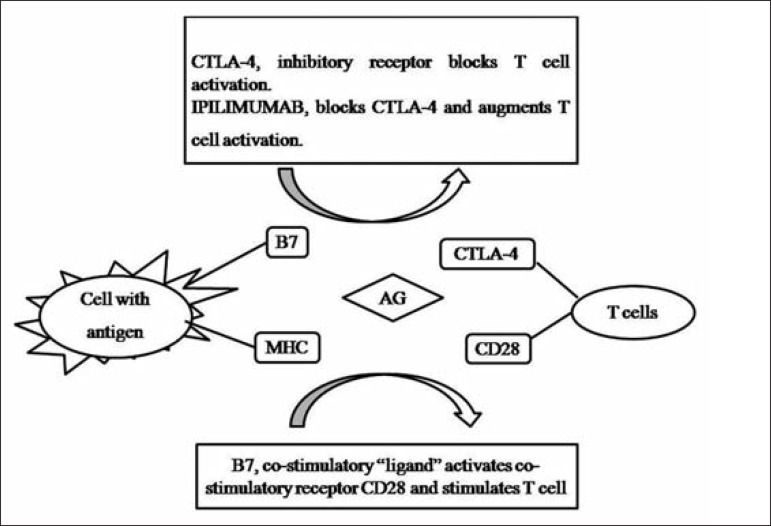
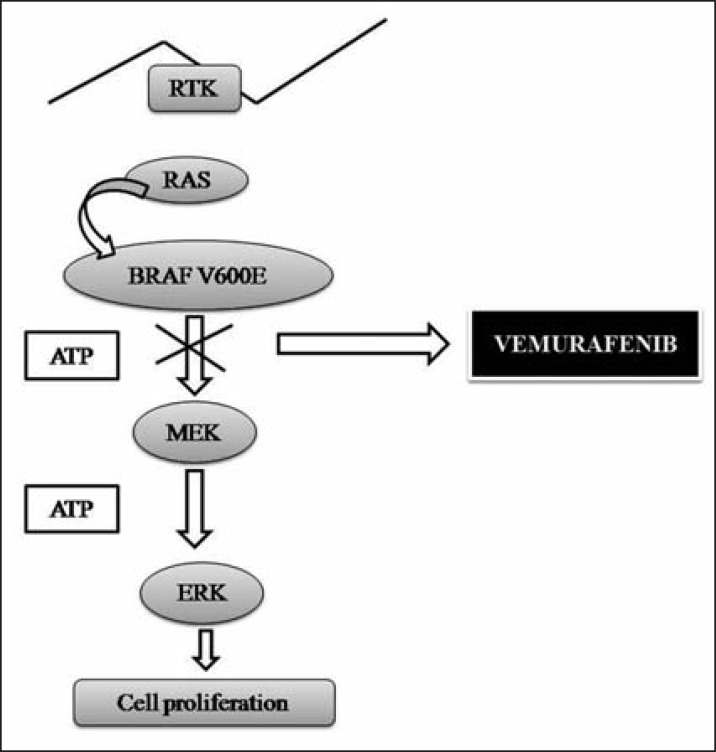
Cutaneous melanoma is a challenge to treat. Over the last 30 years, no drug or combination of drugs demonstrated significant impact to improve patient survival. From 1995 to 2000, the use of cytokines such as interferon and interleukin become treatment options. In 2011, new drugs were approved by the U.S. Food and Drug Administration, including peginterferon alfa-2b for patients with stage III disease, vemurafenib for patients with metastatic melanoma with the BRAF V600E mutation, and ipilimumab, a monoclonal antibody directed to the CTLA-4 T lymphocyte receptor, to combat metastatic melanoma in patients who do not have the BRAF V600E mutation. Both ipilimumab and vemurafenib showed results in terms of overall survival. Other trials with inhibitors of other genes, such as the KIT gene and MEK, are underway in the search for new discoveries. The discovery of new treatments for advanced or metastatic disease aims to relieve symptoms and improve patient quality of life.
皮肤黑色素瘤的治疗颇具挑战。在过去30年里,没有任何一种药物或药物组合对提高患者生存率有显著影响。1995年至2000年期间,干扰素和白细胞介素等细胞因子开始成为治疗选择。2011年,美国食品药品监督管理局批准了多种新药,包括用于III期疾病患者的聚乙二醇化干扰素α-2b、用于BRAF V600E突变转移性黑色素瘤患者的维莫非尼,以及一种针对CTLA-4 T淋巴细胞受体的单克隆抗体伊匹单抗,用于治疗无BRAF V600E突变的转移性黑色素瘤患者。伊匹单抗和维莫非尼在总生存率方面均有成效。其他针对其他基因抑制剂(如KIT基因和MEK)的试验也在进行中,以求有新的发现。晚期或转移性疾病新疗法的发现旨在缓解症状并改善患者生活质量。