Miller W Greg, Tate Jillian R, Barth Julian H, Jones Graham R D
Department of Pathology, Virginia Commonwealth University, Richmond, VA, USA.
Pathology Queensland, Department of Chemical Pathology, Royal Brisbane and Women's Hospital, Brisbane, Queensland, Australia.
Ann Lab Med. 2014 May;34(3):187-97. doi: 10.3343/alm.2014.34.3.187. Epub 2014 Apr 8.
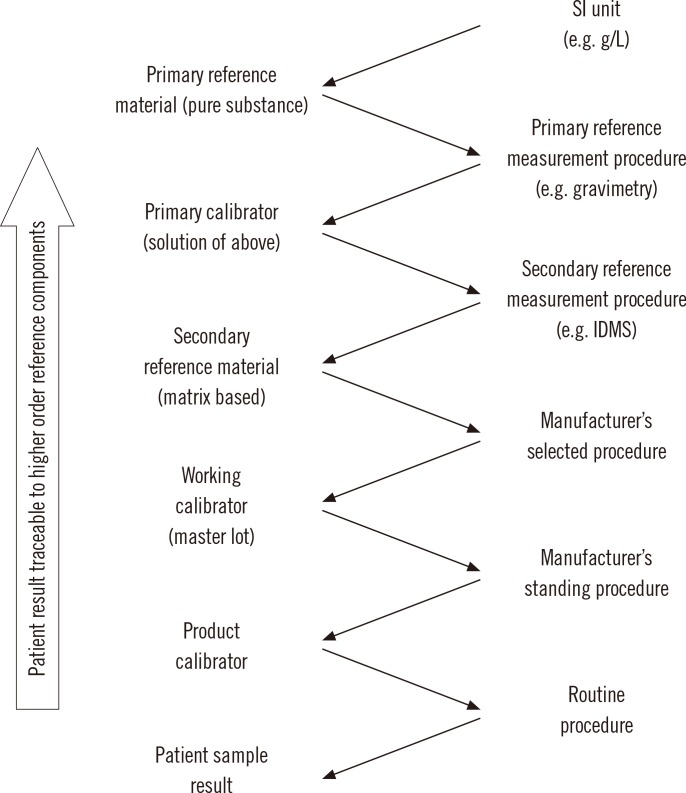
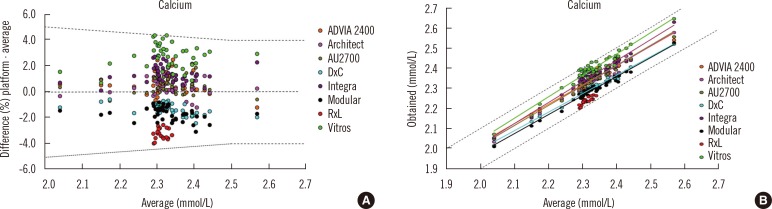
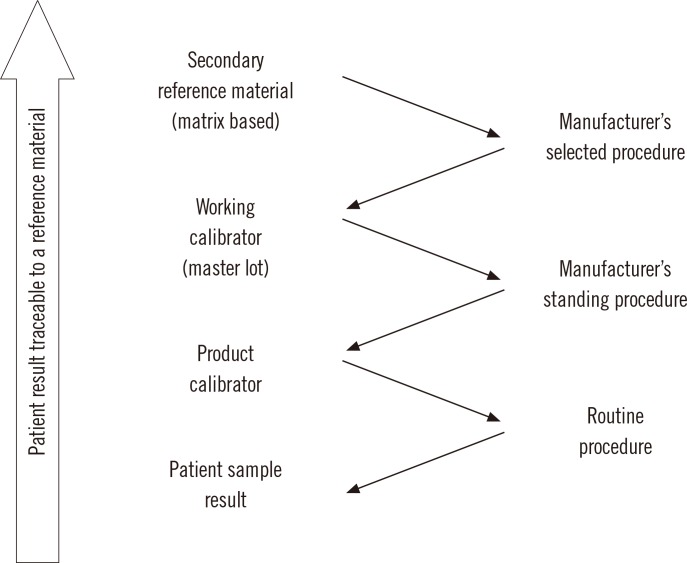
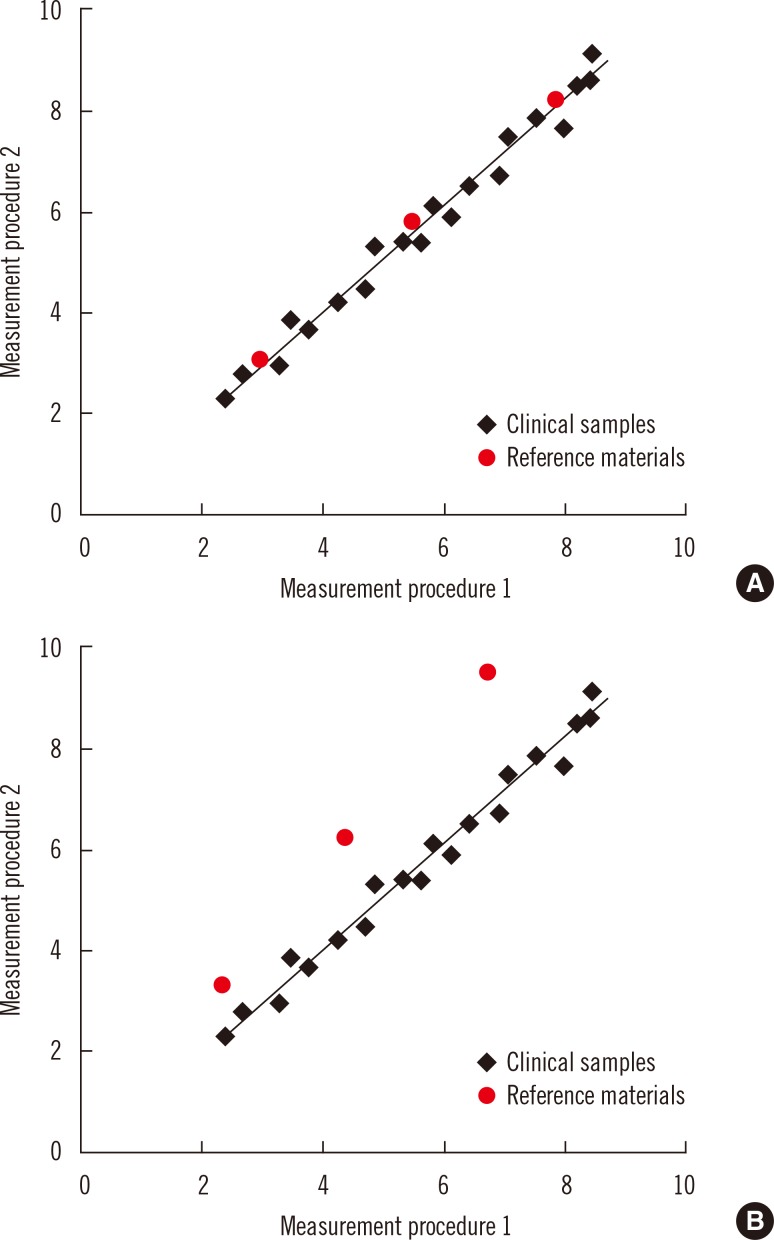
Harmonization of clinical laboratory results means that results are comparable irrespective of the measurement procedure used and where or when a measurement was made. Harmonization of test results includes consideration of pre-analytical, analytical, and post-analytical aspects. Progress has been made in each of these aspects, but there is currently poor coordination of the effort among different professional organizations in different countries. Pre-analytical considerations include terminology for the order, instructions for preparation of the patient, collection of the samples, and handling and transportation of the samples to the laboratory. Key analytical considerations include calibration traceability to a reference system, commutability of reference materials used in a traceability scheme, and specificity of the measurement of the biomolecule of interest. International organizations addressing harmonization include the International Federation for Clinical Chemistry and Laboratory Medicine, the World Health Organization, and the recently formed International Consortium for Harmonization of Clinical Laboratory Results (ICHCLR). The ICHCLR will provide a prioritization process for measurands and a service to coordinate global harmonization activities to avoid duplication of effort. Post-analytical considerations include nomenclature, units, significant figures, and reference intervals or decision values for results. Harmonization in all of these areas is necessary for optimal laboratory service. This review summarizes the status of harmonization in each of these areas and describes activities underway to achieve the goal of fully harmonized clinical laboratory testing.
临床实验室结果的标准化意味着,无论使用何种测量程序以及在何处或何时进行测量,结果都具有可比性。检测结果的标准化包括对分析前、分析中和分析后各个方面的考量。在这些方面均已取得进展,但目前不同国家的不同专业组织之间在这方面的工作协调不力。分析前的考量包括医嘱术语、患者准备说明、样本采集以及样本送至实验室的处理和运输。关键的分析考量包括校准对参考系统的可追溯性、可追溯性方案中使用的参考物质的互换性以及所关注生物分子测量的特异性。致力于标准化的国际组织包括国际临床化学和检验医学联合会、世界卫生组织以及最近成立的临床实验室结果国际协调联盟(ICHCLR)。ICHCLR将为被测量物提供一个优先排序流程,并提供一项服务来协调全球标准化活动,以避免工作的重复。分析后的考量包括术语、单位、有效数字以及结果的参考区间或判定值。在所有这些领域实现标准化对于优化实验室服务是必要的。本综述总结了这些领域中每个领域的标准化现状,并描述了为实现临床实验室检测完全标准化这一目标而正在开展的活动。