Kinlock Ballington L, Wang Yudi, Turner Tiffany M, Wang Chenliang, Liu Bindong
Center for AIDS Health Disparities Research, Meharry Medical College, Nashville, Tennessee, United States of America; Department of Microbiology and Immunology, Meharry Medical College, Nashville, Tennessee, United States of America.
Center for AIDS Health Disparities Research, Meharry Medical College, Nashville, Tennessee, United States of America.
PLoS One. 2014 May 15;9(5):e96760. doi: 10.1371/journal.pone.0096760. eCollection 2014.
While it is accepted that viruses can enter epithelial cells by endocytosis, the lack of an established biological mechanism for the trafficking of infectious virions through vaginal epithelial cells and their release from the plasma membrane has contributed to ongoing controversy about whether endocytosis is a mere artifact of some cell culture systems and whether squamous vaginal epithelial cells are even relevant as it pertains to HIV-1 transmission.
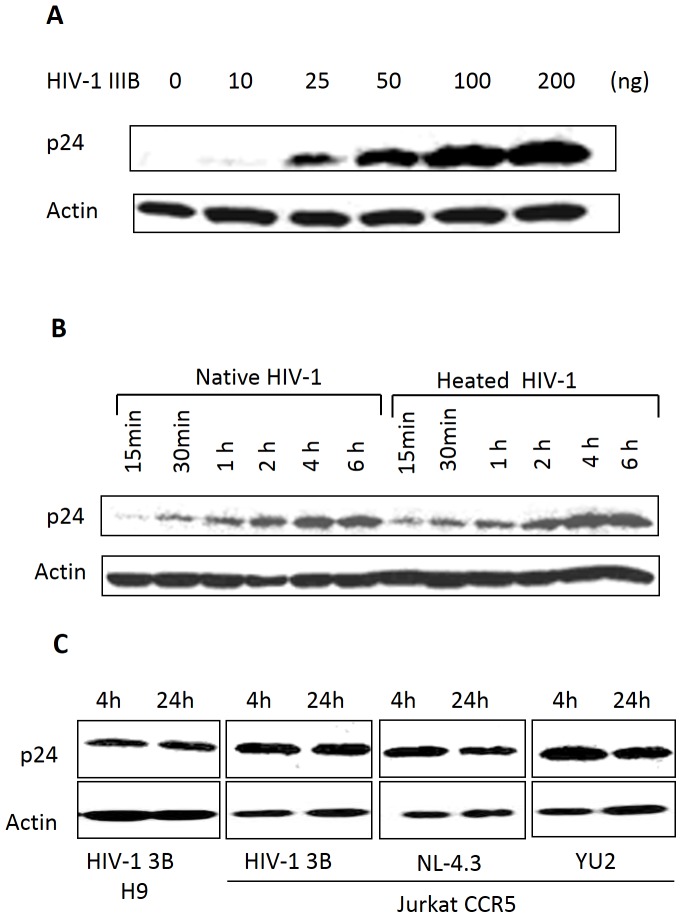
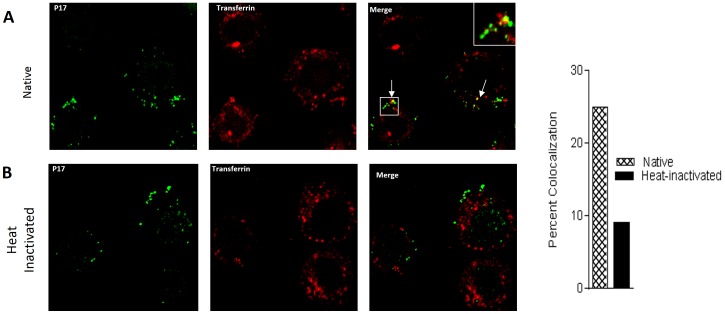
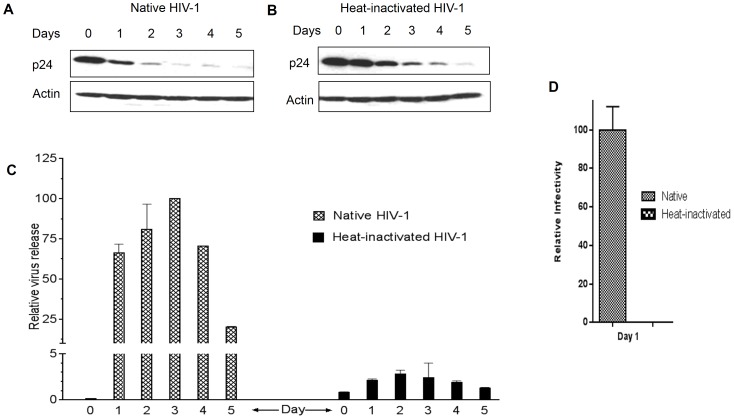
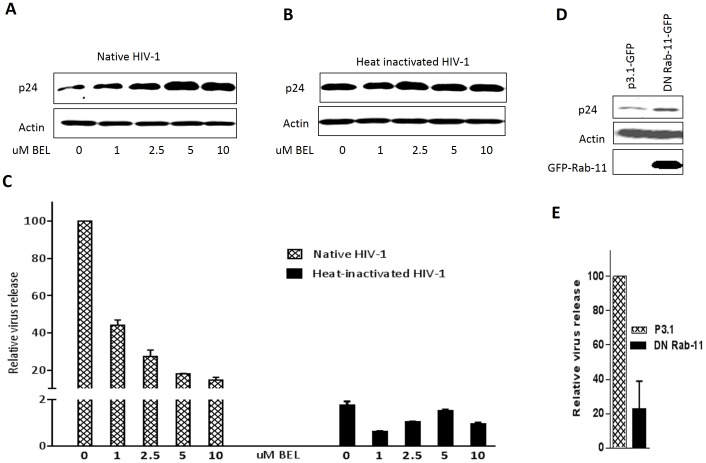
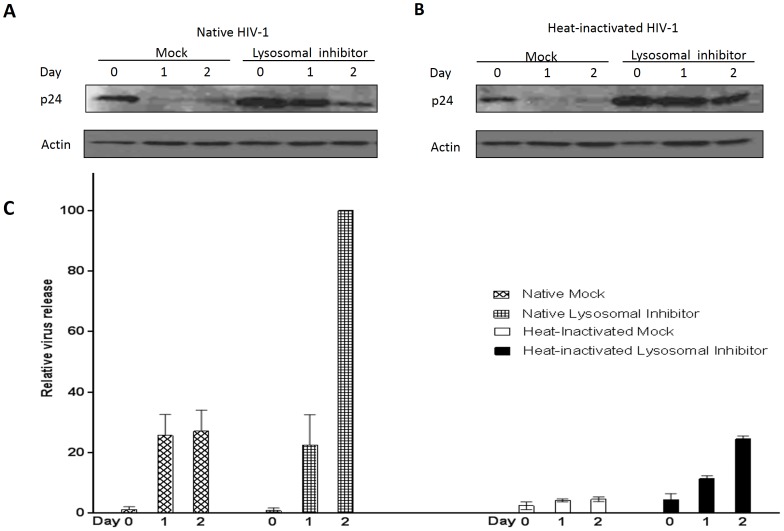
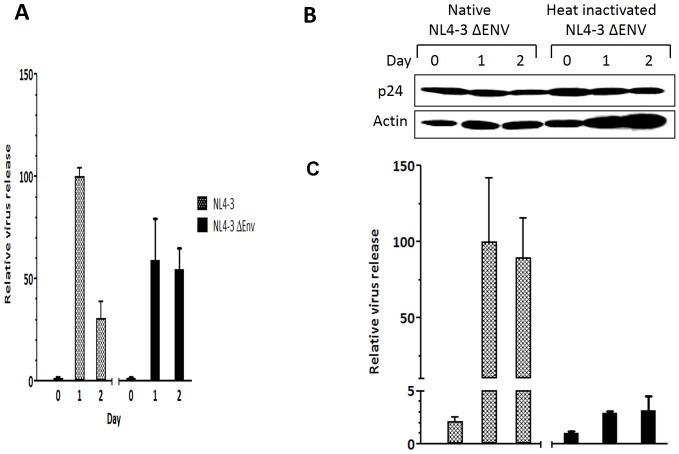
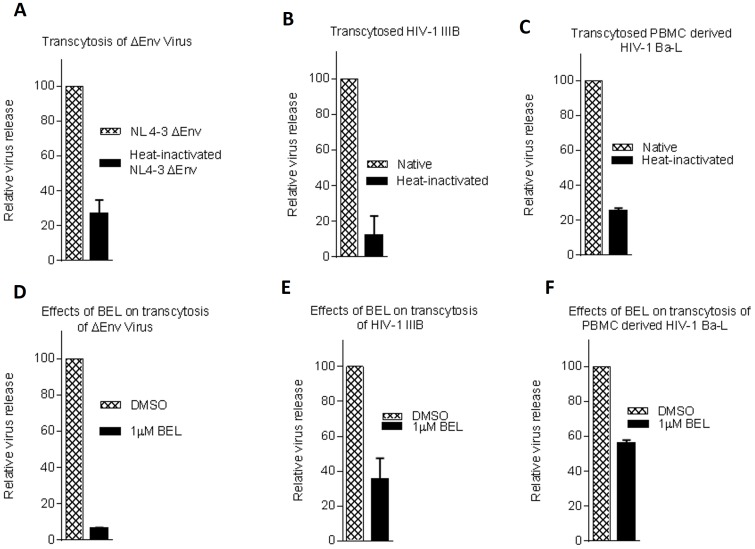
METHODOLOGY/PRINCIPAL FINDINGS: In this study, we investigated the intracellular trafficking pathway that HIV-1 exploits to transcytose vaginal epithelial cells. The reduction of endosome tubulation by recycling endosome inhibitors blocked transcytosis of HIV-1 in a cell culture and transwell system. In addition, we demonstrate that although heat-inactivated virus was endocytosed as efficiently as native virus, heat-inactivated virus was trafficked exclusively to the lysosomal pathway for degradation following endocytosis. Lysosomal protease-specific inhibitors blocked the degradation of inactivated virions. Immunofluorescence analysis not only demonstrated that HIV-1 was inside the cells but the different colocalization pattern of native vs. heat inactivated virus with transferrin provided conclusive evidence that HIV-1 uses the recycling pathway to get across vaginal epithelial cells.
CONCLUSIONS/SIGNIFICANCE: Altogether, our findings demonstrate the precise intracellular trafficking pathway utilized by HIV-1 in epithelial cells, confirms that HIV-1 transcytosis through vaginal epithelial cells is a biological phenomenon and brings to light the differential intracellular trafficking of native vs heat-inactivated HIV-1 which with further exploration could prove to provide valuable insights that could be used in the prevention of transcytosis/transmission of HIV-1 across the mucosal epithelia.
虽然人们公认病毒可通过内吞作用进入上皮细胞,但目前缺乏一种既定的生物学机制来解释感染性病毒粒子如何穿过阴道上皮细胞并从质膜释放,这导致了关于内吞作用是否仅仅是某些细胞培养系统的人为现象,以及鳞状阴道上皮细胞在HIV-1传播方面是否相关的持续争议。
方法/主要发现:在本研究中,我们调查了HIV-1用于穿越阴道上皮细胞的细胞内运输途径。回收内体抑制剂减少内体微管形成,在细胞培养和Transwell系统中阻断了HIV-1的穿胞运输。此外,我们证明,虽然热灭活病毒与天然病毒一样有效地被内吞,但热灭活病毒在内吞后仅被运输到溶酶体途径进行降解。溶酶体蛋白酶特异性抑制剂阻断了灭活病毒粒子的降解。免疫荧光分析不仅证明HIV-1存在于细胞内,而且天然病毒与热灭活病毒与转铁蛋白的不同共定位模式提供了确凿证据,表明HIV-1利用回收途径穿过阴道上皮细胞。
结论/意义:总之,我们的研究结果证明了HIV-1在上皮细胞中利用的精确细胞内运输途径,证实了HIV-1通过阴道上皮细胞的穿胞运输是一种生物学现象,并揭示了天然HIV-1与热灭活HIV-1在细胞内运输的差异,进一步探索可能会提供有价值的见解,可用于预防HIV-1穿过黏膜上皮的穿胞运输/传播。