Paul Puneet, Simm Stefan, Mirus Oliver, Scharf Klaus-Dieter, Fragkostefanakis Sotirios, Schleiff Enrico
Department of Biosciences Molecular Cell Biology of Plants.
Department of Biosciences Molecular Cell Biology of Plants; Cluster of Excellence Frankfurt; Center of Membrane Proteomics; Goethe University Frankfurt, Frankfurt/Main, Germany.
PLoS One. 2014 May 20;9(5):e97745. doi: 10.1371/journal.pone.0097745. eCollection 2014.
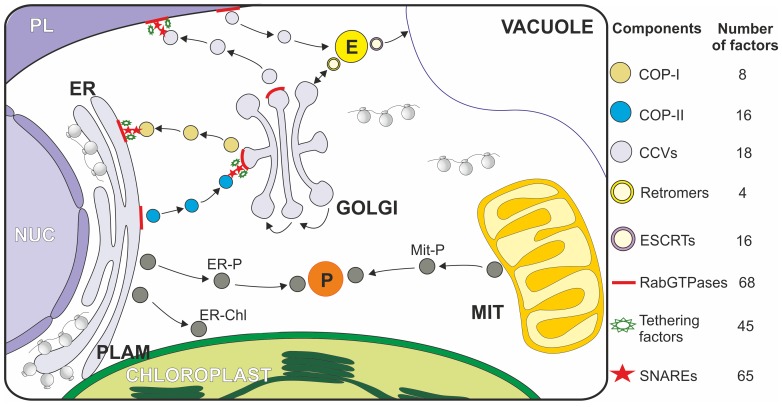
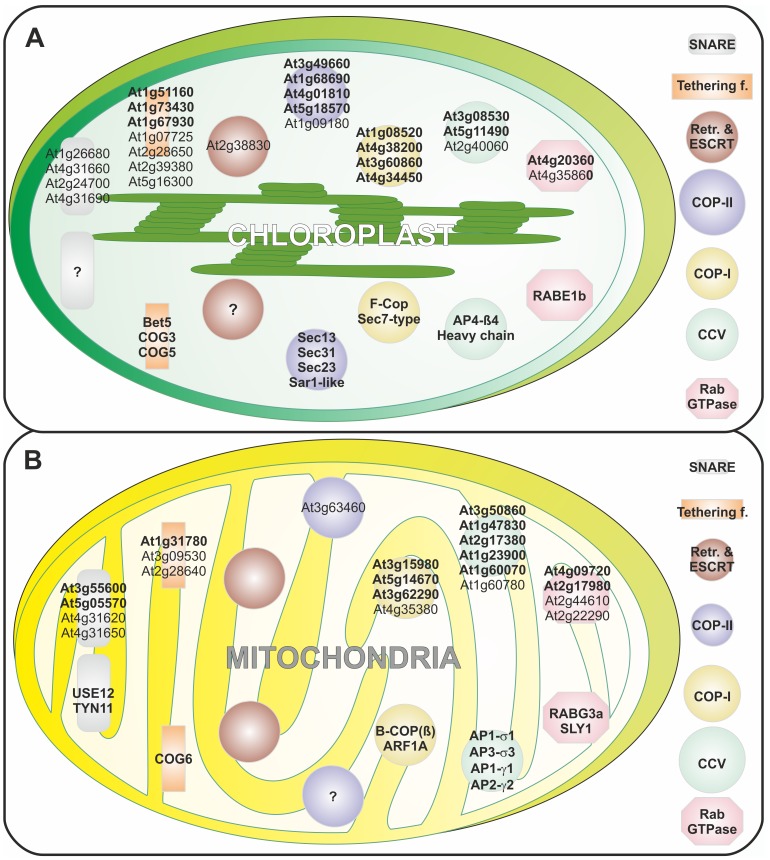
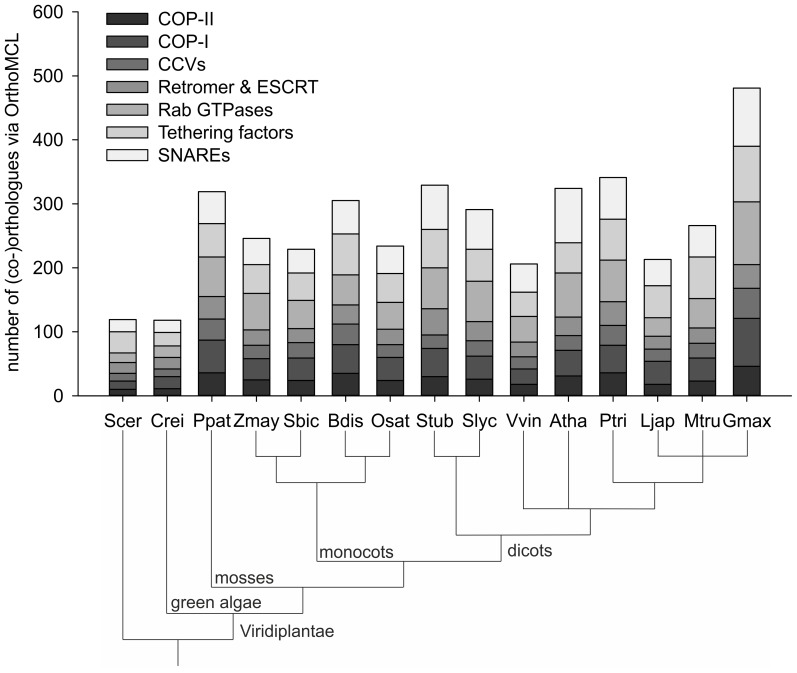
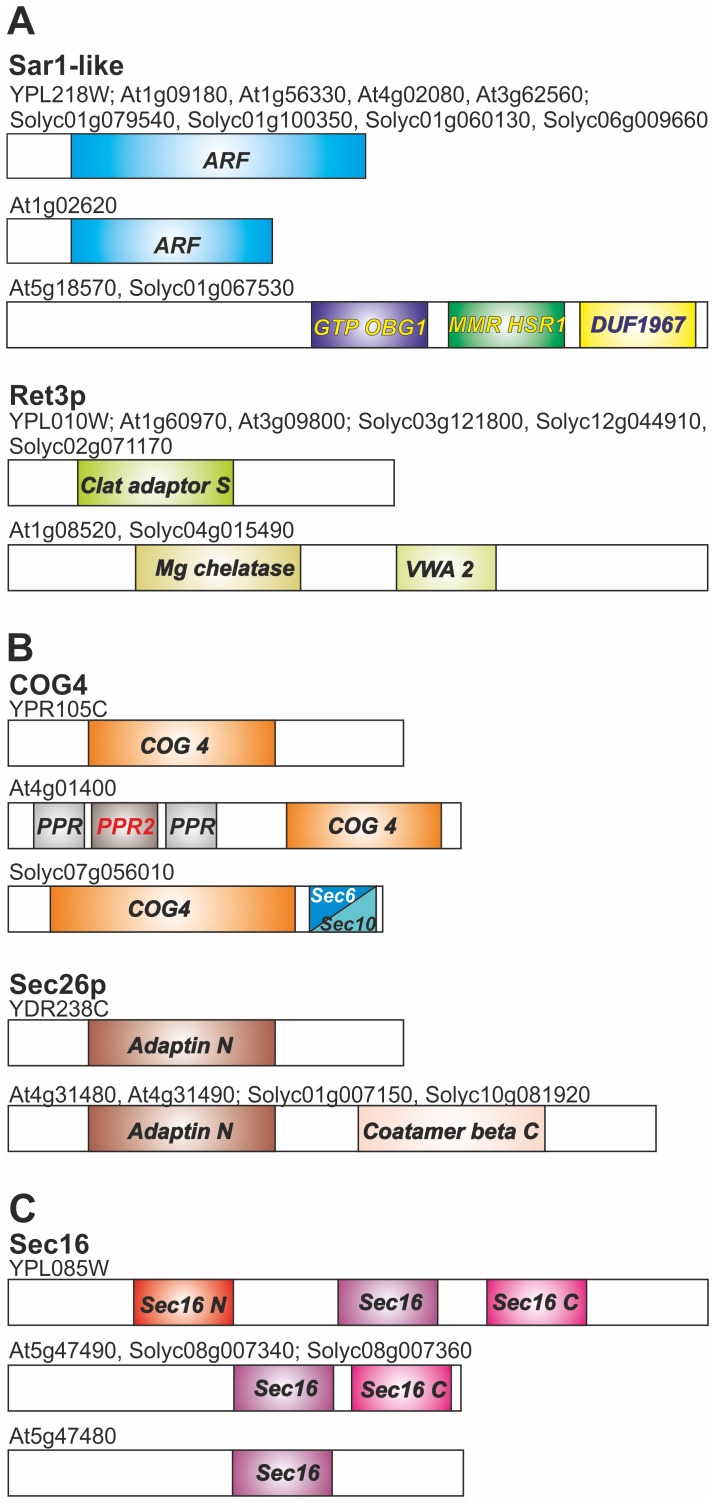
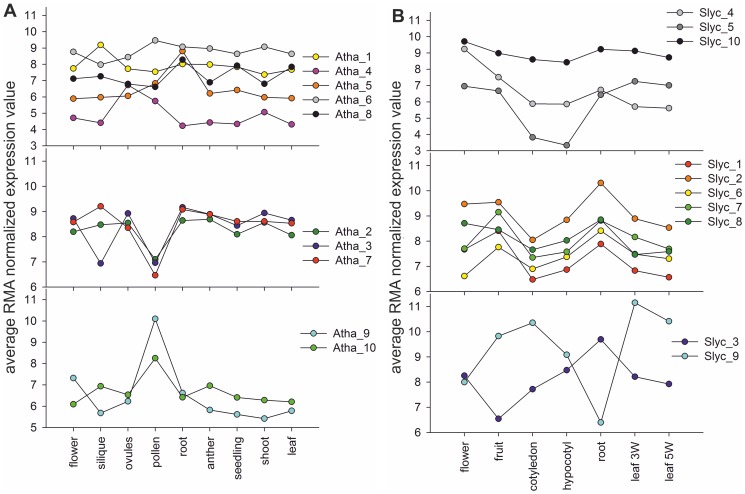
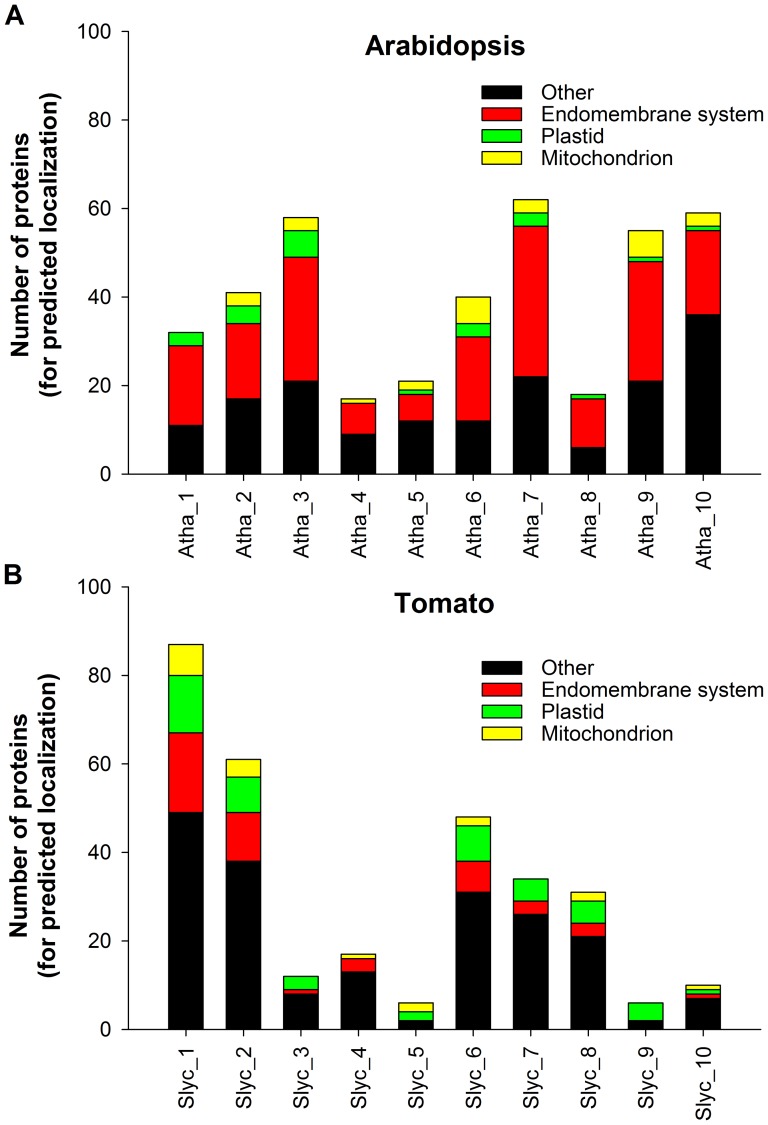
Vesicle transport is a central process to ensure protein and lipid distribution in eukaryotic cells. The current knowledge on the molecular components and mechanisms of this process is majorly based on studies in Saccharomyces cerevisiae and Arabidopsis thaliana, which revealed 240 different proteinaceous factors either experimentally proven or predicted to be involved in vesicle transport. In here, we performed an orthologue search using two different algorithms to identify the components of the secretory pathway in yeast and 14 plant genomes by using the 'core-set' of 240 factors as bait. We identified 4021 orthologues and (co-)orthologues in the discussed plant species accounting for components of COP-II, COP-I, Clathrin Coated Vesicles, Retromers and ESCRTs, Rab GTPases, Tethering factors and SNAREs. In plants, we observed a significantly higher number of (co-)orthologues than yeast, while only 8 tethering factors from yeast seem to be absent in the analyzed plant genomes. To link the identified (co-)orthologues to vesicle transport, the domain architecture of the proteins from yeast, genetic model plant A. thaliana and agriculturally relevant crop Solanum lycopersicum has been inspected. For the orthologous groups containing (co-)orthologues from yeast, A. thaliana and S. lycopersicum, we observed the same domain architecture for 79% (416/527) of the (co-)orthologues, which documents a very high conservation of this process. Further, publically available tissue-specific expression profiles for a subset of (co-)orthologues found in A. thaliana and S. lycopersicum suggest that some (co-)orthologues are involved in tissue-specific functions. Inspection of localization of the (co-)orthologues based on available proteome data or localization predictions lead to the assignment of plastid- as well as mitochondrial localized (co-)orthologues of vesicle transport factors and the relevance of this is discussed.
囊泡运输是确保真核细胞中蛋白质和脂质分布的核心过程。目前关于这一过程的分子成分和机制的知识主要基于对酿酒酵母和拟南芥的研究,这些研究揭示了240种不同的蛋白质因子,它们要么已被实验证实,要么被预测参与囊泡运输。在此,我们使用两种不同的算法进行直系同源物搜索,以240个因子的“核心集”为诱饵,鉴定酵母和14种植物基因组中分泌途径的成分。我们在讨论的植物物种中鉴定出4021个直系同源物和(共)直系同源物,它们构成了COP-II、COP-I、网格蛋白包被囊泡、回收转运复合体和内体分选转运复合体、Rab GTP酶、拴系因子和SNARE的成分。在植物中,我们观察到(共)直系同源物的数量明显多于酵母,而在所分析的植物基因组中,似乎仅缺少8种来自酵母的拴系因子。为了将鉴定出的(共)直系同源物与囊泡运输联系起来,我们检查了酵母、遗传模式植物拟南芥和农业相关作物番茄中蛋白质的结构域结构。对于包含来自酵母、拟南芥和番茄的(共)直系同源物的直系同源组,我们观察到79%(共416 / 527个)的(共)直系同源物具有相同的结构域结构,这证明了这一过程的高度保守性。此外,拟南芥和番茄中一部分(共)直系同源物的公开可用组织特异性表达谱表明,一些(共)直系同源物参与组织特异性功能。基于可用的蛋白质组数据或定位预测对(共)直系同源物的定位进行检查,导致了囊泡运输因子的质体和线粒体定位(共)直系同源物的分配,并讨论了其相关性。