Backman Stéphanie, Kollara Alexandra, Haw Robin, Stein Lincoln, Brown Theodore J
Department of Obstetrics and Gynecology, University of Toronto, Toronto, Ontario, Canada.
Department of Obstetrics and Gynecology, University of Toronto, Toronto, Ontario, Canada; Lunenfeld-Tanenbaum Research Institute, Mt. Sinai Hospital, Toronto, Ontario, Canada.
PLoS One. 2014 May 21;9(5):e97997. doi: 10.1371/journal.pone.0097997. eCollection 2014.
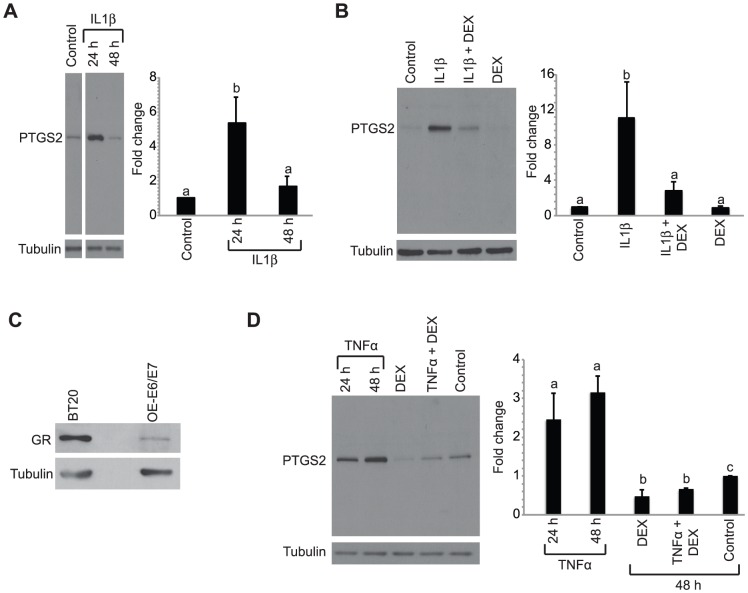
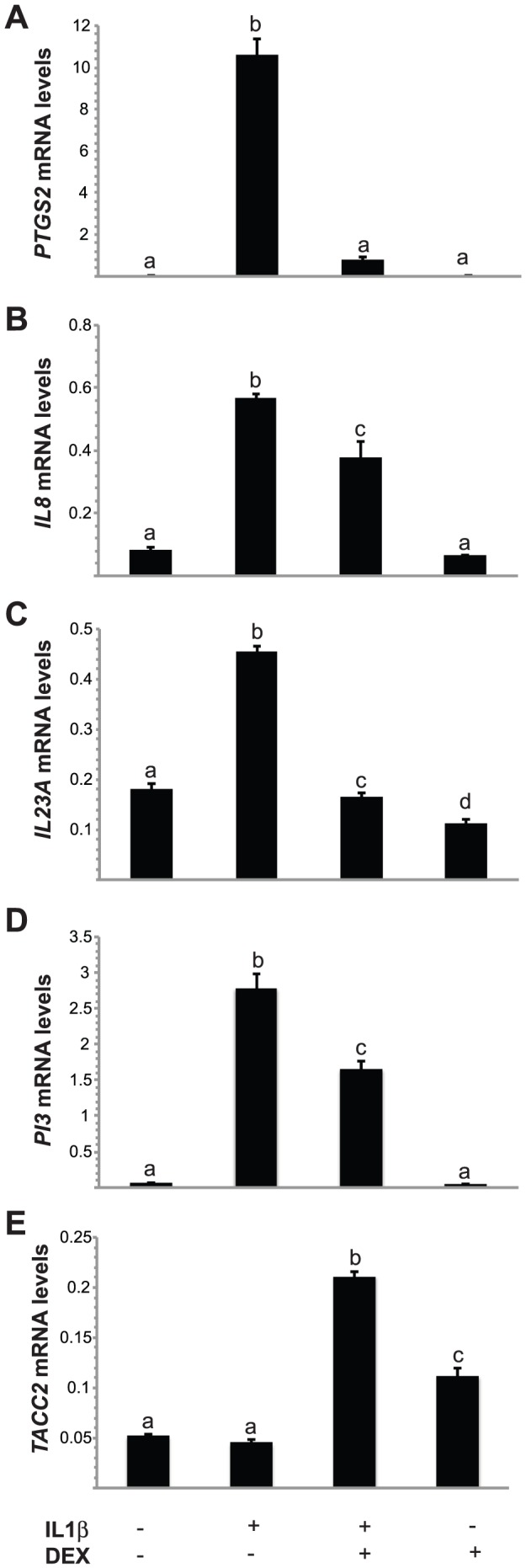
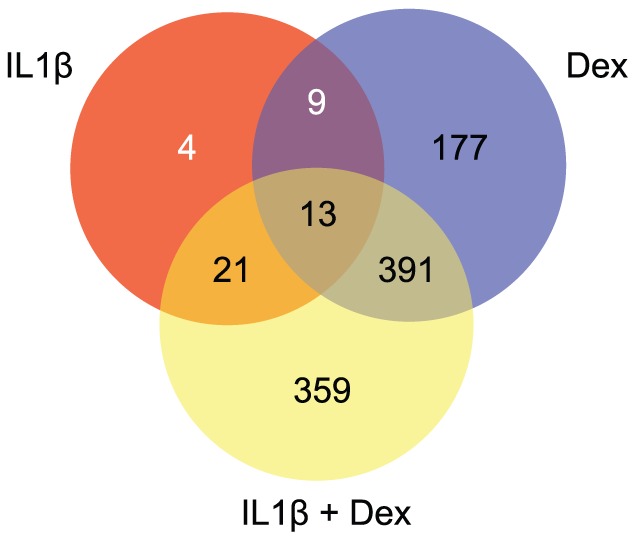
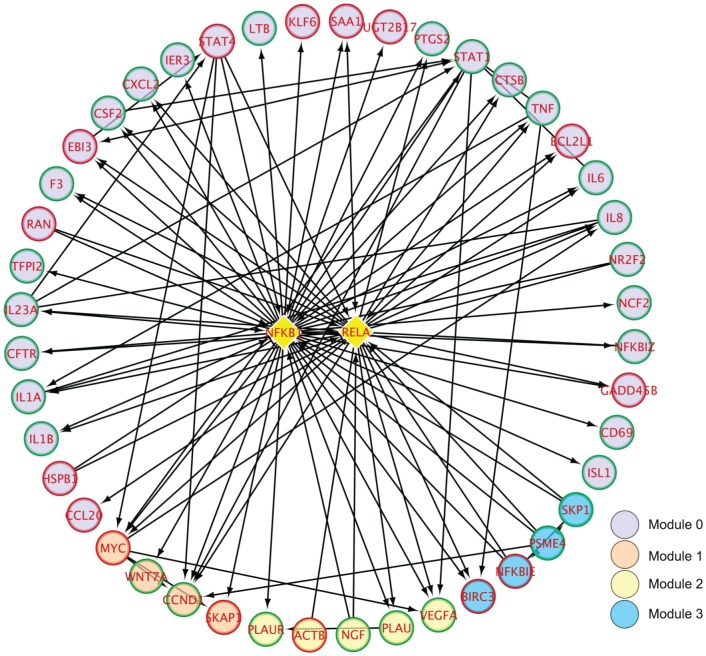
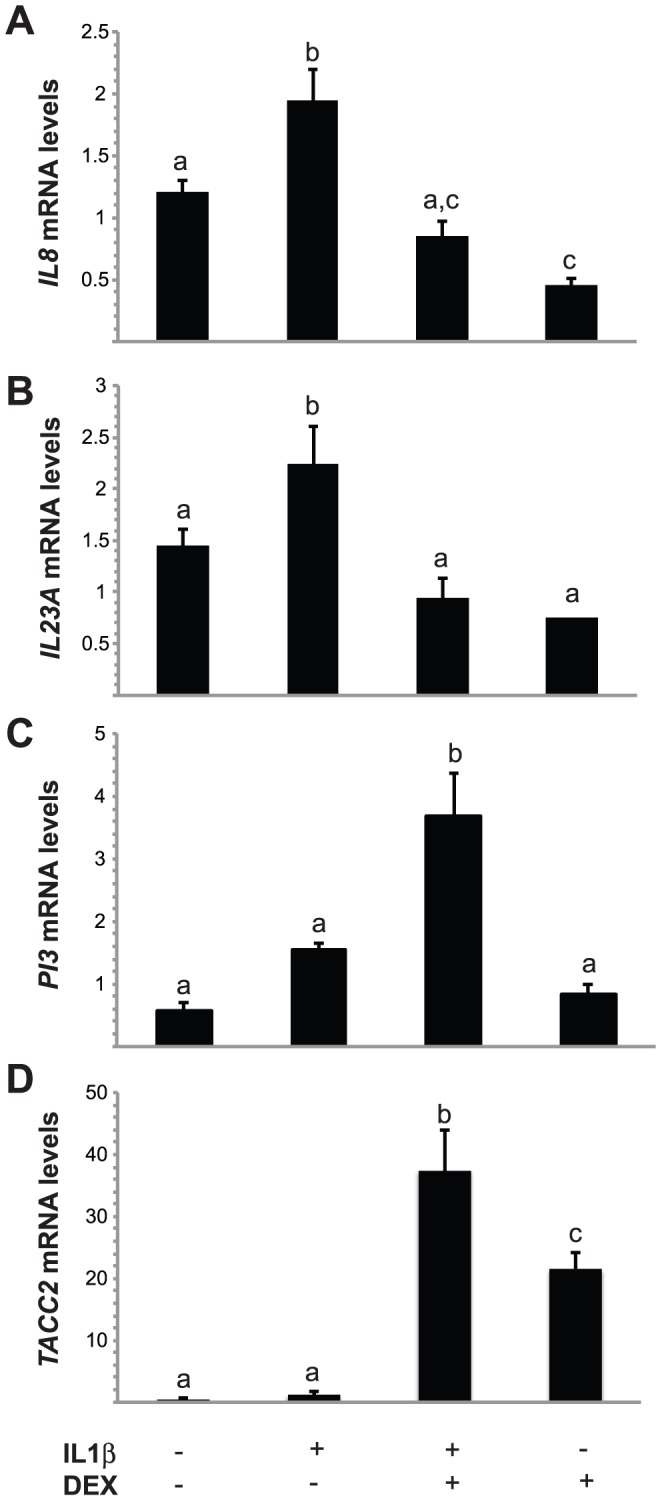
Studies indicate that high-grade serous ovarian carcinoma (HGSOC), the most common epithelial ovarian carcinoma histotype, originates from the fallopian tube epithelium (FTE). Risk factors for this cancer include reproductive parameters associated with lifetime ovulatory events. Ovulation is an acute inflammatory process during which the FTE is exposed to follicular fluid containing both pro- and anti-inflammatory molecules, such as interleukin-1 (IL1), tumor necrosis factor (TNF), and cortisol. Repeated exposure to inflammatory cytokines may contribute to transforming events in the FTE, with glucocorticoids exerting a protective effect. The global response of FTE cells to inflammatory cytokines or glucocorticoids has not been investigated. To examine the response of FTE cells and the ability of glucocorticoids to oppose this response, an immortalized human FTE cell line, OE-E6/E7, was treated with IL1β, dexamethasone (DEX), IL1β and DEX, or vehicle and genome-wide gene expression profiling was performed. IL1β altered the expression of 47 genes of which 17 were reversed by DEX. DEX treatment alone altered the expression of 590 genes, whereas combined DEX and IL1β treatment altered the expression of 784 genes. Network and pathway enrichment analysis indicated that many genes altered by DEX are involved in cytokine, chemokine, and cell cycle signaling, including NFκΒ target genes and interacting proteins. Quantitative real time RT-PCR studies validated the gene array data for IL8, IL23A, PI3 and TACC2 in OE-E6/E7 cells. Consistent with the array data, Western blot analysis showed increased levels of PTGS2 protein induced by IL1β that was blocked by DEX. A parallel experiment using primary cultured human FTE cells indicated similar effects on PTGS2, IL8, IL23A, PI3 and TACC2 transcripts. These findings support the hypothesis that pro-inflammatory signaling is induced in FTE cells by inflammatory mediators and raises the possibility that dysregulation of glucocorticoid signaling could contribute to increased risk for HGSOC.
研究表明,高级别浆液性卵巢癌(HGSOC)是最常见的上皮性卵巢癌组织学类型,起源于输卵管上皮(FTE)。这种癌症的风险因素包括与终生排卵事件相关的生殖参数。排卵是一个急性炎症过程,在此过程中,FTE暴露于含有促炎和抗炎分子的卵泡液中,如白细胞介素-1(IL1)、肿瘤坏死因子(TNF)和皮质醇。反复暴露于炎性细胞因子可能导致FTE中的转化事件,而糖皮质激素则发挥保护作用。尚未研究FTE细胞对炎性细胞因子或糖皮质激素的整体反应。为了研究FTE细胞的反应以及糖皮质激素对抗这种反应的能力,用IL1β、地塞米松(DEX)、IL1β和DEX或溶剂处理永生化人FTE细胞系OE-E6/E7,并进行全基因组基因表达谱分析。IL1β改变了47个基因的表达,其中17个基因被DEX逆转。单独的DEX处理改变了590个基因的表达,而DEX和IL1β联合处理改变了784个基因的表达。网络和通路富集分析表明,许多被DEX改变的基因参与细胞因子、趋化因子和细胞周期信号传导,包括NFκΒ靶基因和相互作用蛋白。定量实时RT-PCR研究验证了OE-E6/E7细胞中IL8、IL23A、PI3和TACC2的基因阵列数据。与阵列数据一致,蛋白质印迹分析显示IL1β诱导的PTGS2蛋白水平升高被DEX阻断。使用原代培养的人FTE细胞进行的平行实验表明,对PTGS2、IL8、IL23A、PI3和TACC2转录本有类似影响。这些发现支持了炎性介质在FTE细胞中诱导促炎信号传导的假说,并增加了糖皮质激素信号传导失调可能导致HGSOC风险增加的可能性。